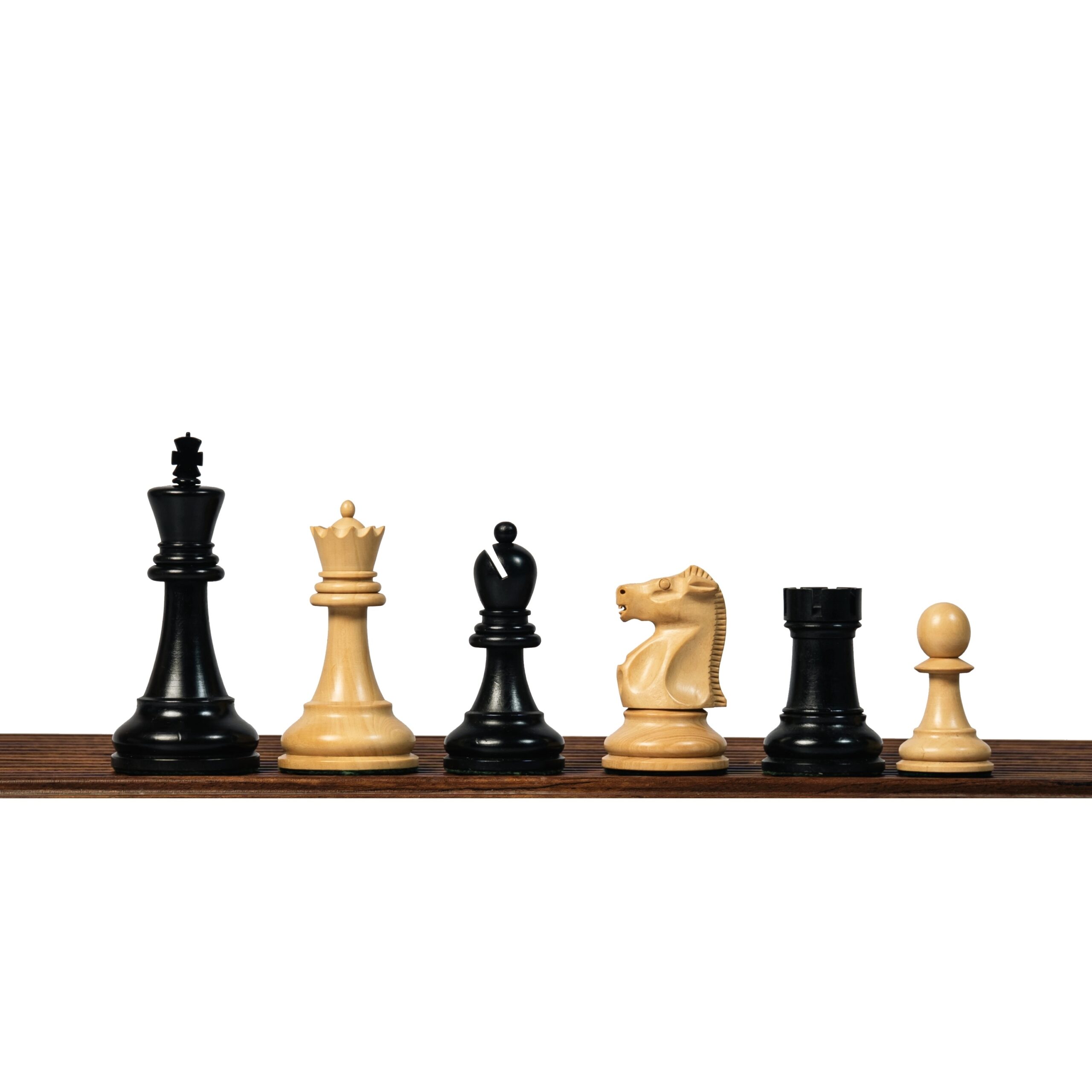
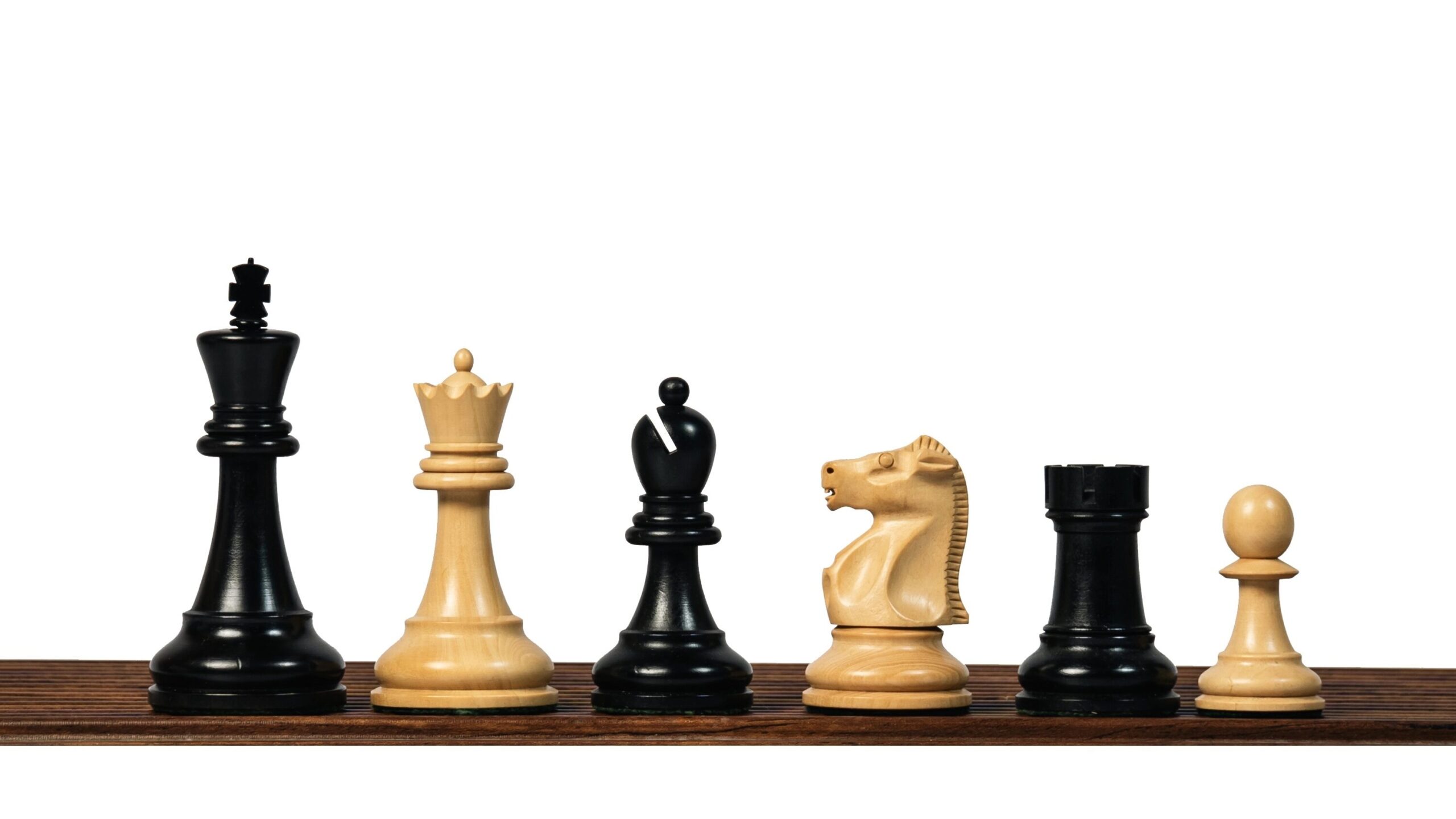
When exploring how to choose a chess set, few options command attention like ebonised chess pieces. Known for their deep black finish and timeless elegance, they offer the rich look of ebony while maintaining durability and affordability. If you are searching for a sophisticated addition to your collection, this luxury chess set buying guide will help you understand why ebonised pieces deserve serious consideration.
Whether you’re a passionate player or a collector seeking a premium chess set for collectors, ebonised chess pieces strike the perfect balance between tradition and refinement.
What Makes Ebonised Chess Pieces Special?
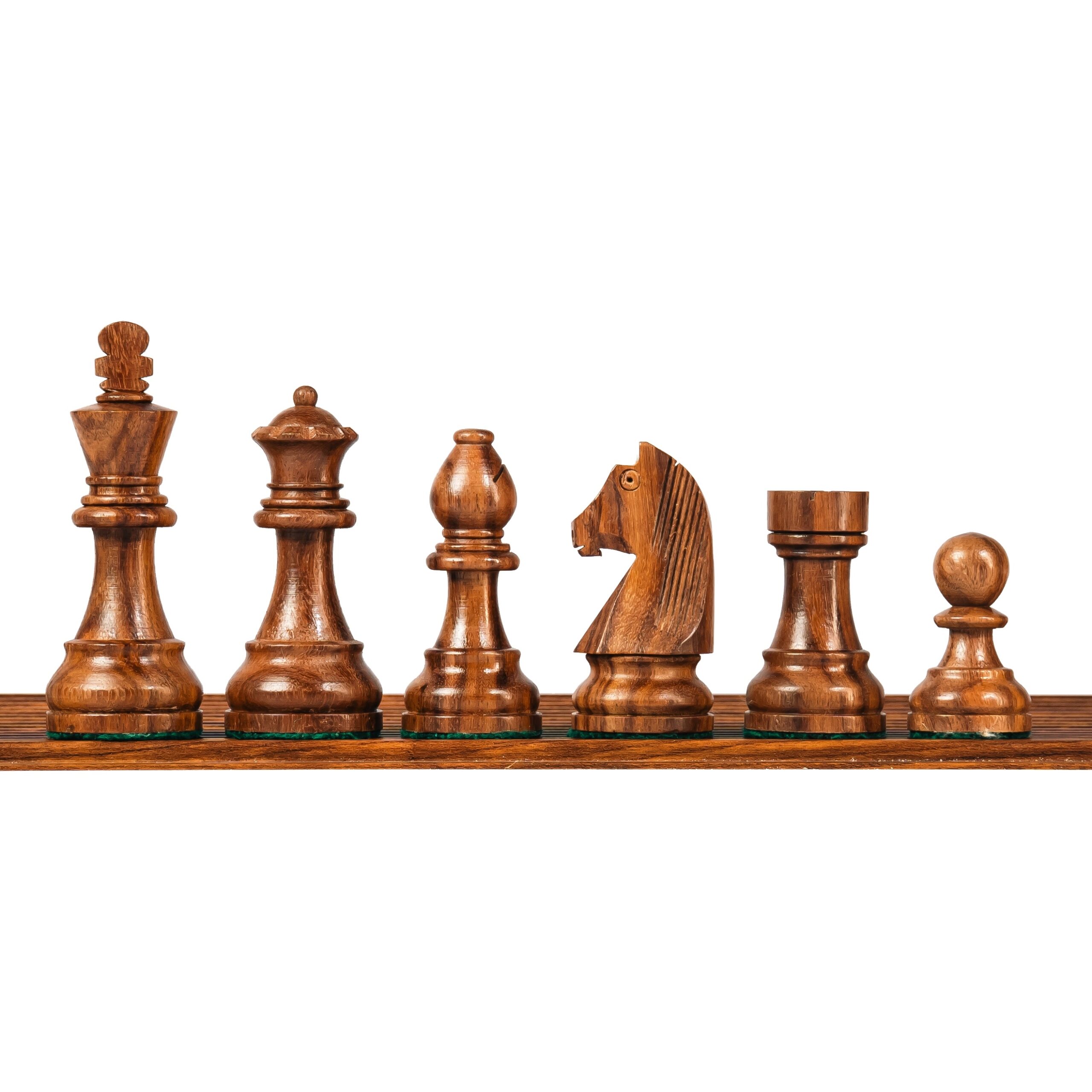
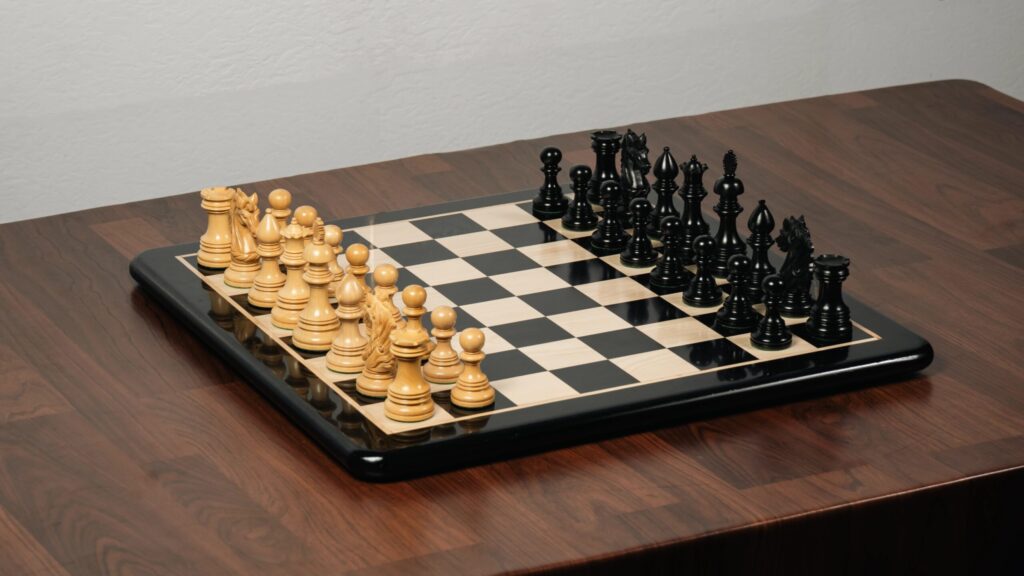
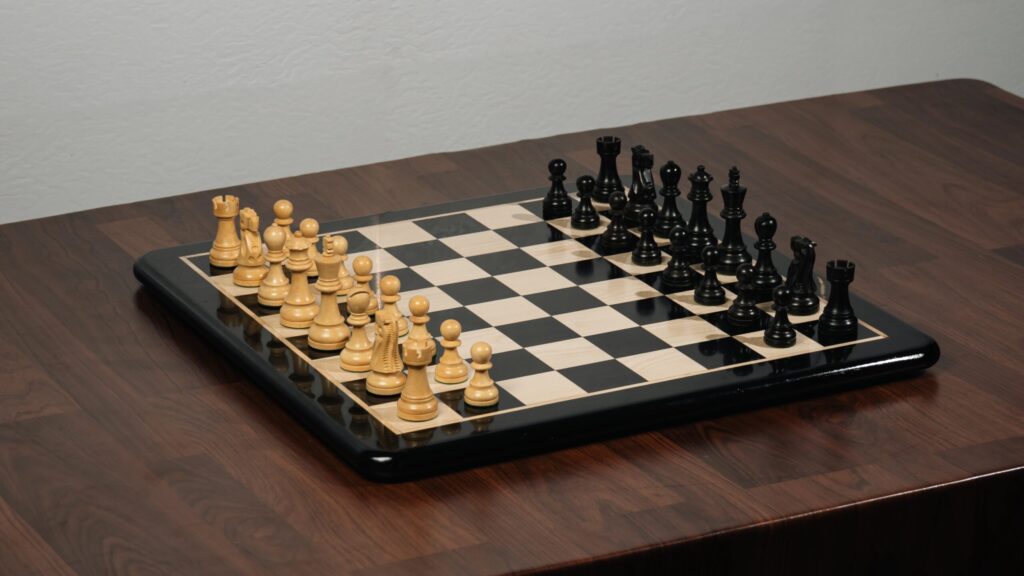
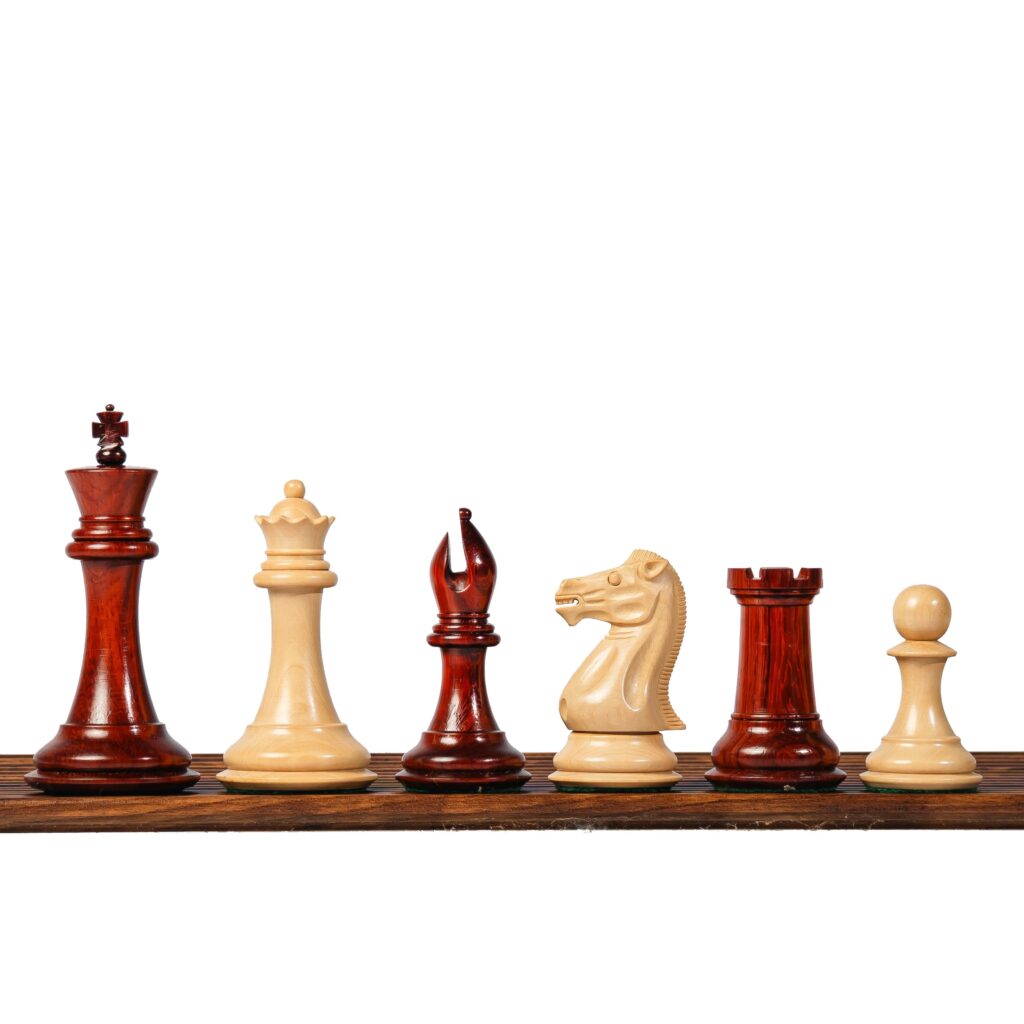
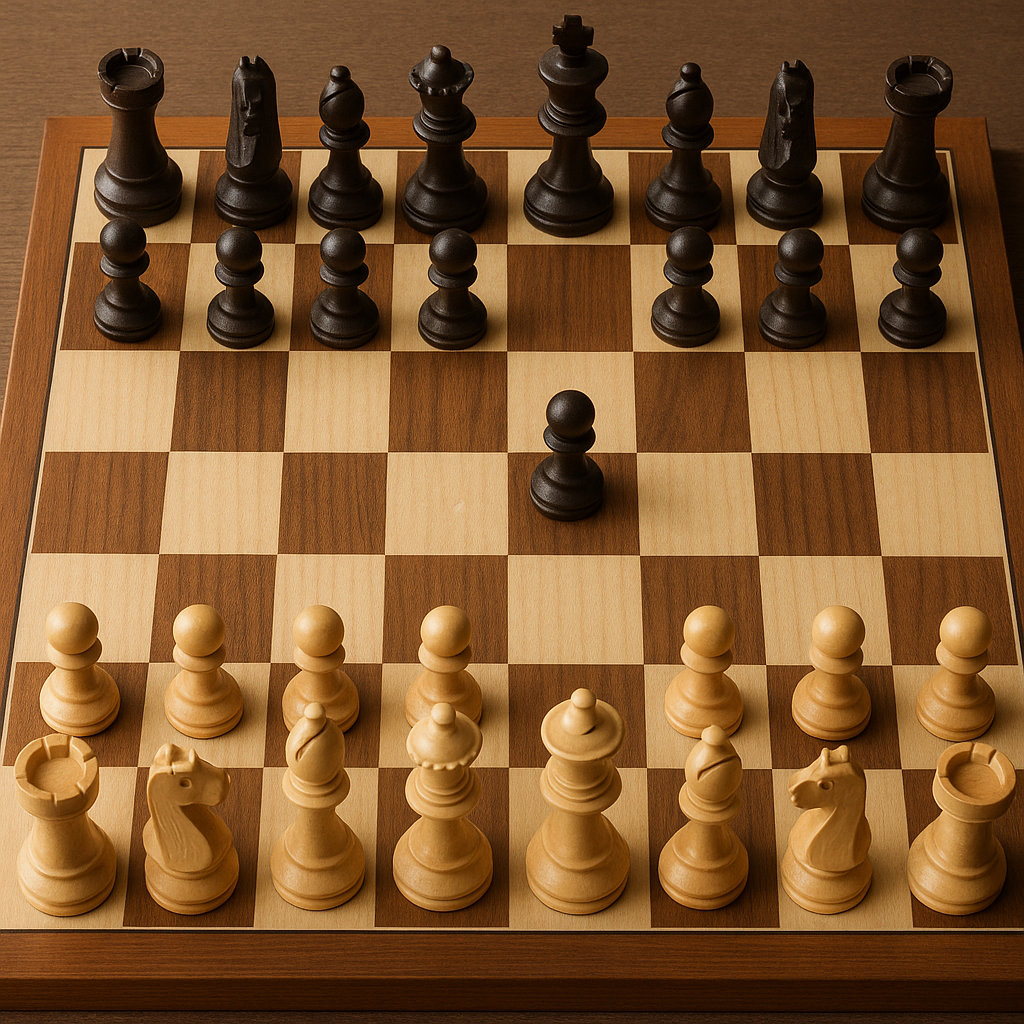
Ebonised chess pieces are typically crafted from high-quality boxwood that is carefully treated and stained to achieve a deep, ebony-like finish. The result is a smooth, polished surface that delivers the classic black-and-natural contrast iconic to tournament chess sets.
For anyone researching how to choose a chess set, appearance and craftsmanship are essential. Ebonised pieces provide:
A rich, uniform black tone
Excellent resistance to cracking compared to natural ebony
A luxury aesthetic at a practical price point
They are especially popular in professional-style Staunton designs, making them ideal for those referencing a tournament chess set guide.
Choosing the Best Wooden Chess Board Size for Ebonised Pieces
Selecting the best wooden chess board size is critical when pairing your ebonised pieces with the right board.
What Size Chess Board for 3.75 Inch King?
If your ebonised set features a 3.75-inch king—the standard tournament size—you may wonder what size chess board for 3.75 inch king works best. The ideal match includes:
Square size: 2 to 2.25 inches
Board size: Approximately 20–22 inches
These proportions align with official professional chess set dimensions, ensuring visual harmony and comfortable gameplay. A properly sized board enhances the dramatic contrast of ebonised black pieces against lighter wooden squares.
When following a proper luxury chess set buying guide, remember: proportion determines elegance.
Weighted vs Unweighted Chess Pieces: Which Should You Choose?
Another essential factor in how to choose a chess set is understanding weighted vs unweighted chess pieces.
Weighted Ebonised Pieces
Provide stability during intense gameplay
Offer a premium, substantial feel
Reduce accidental tipping
Preferred for tournament environments
Unweighted Ebonised Pieces
Lightweight and easier to carry
Suitable for casual home games
More budget-friendly
If you are consulting a serious tournament chess set guide, weighted pieces are strongly recommended. Their balance and steadiness align with official play standards and elevate the overall experience.
For collectors seeking a premium chess set for collectors, triple-weighted ebonised pieces often represent the pinnacle of craftsmanship.
Professional Chess Set Dimensions You Should Know
Understanding professional chess set dimensions ensures that your ebonised chess set meets both aesthetic and competitive standards.
Standard guidelines include:
King height: 3.75 to 4 inches
King base diameter: 40–50% of king height
Board square size: 2 to 2.25 inches
Adhering to these specifications keeps your purchase aligned with global tournament expectations and ensures long-term satisfaction.
Anyone learning how to choose a chess set for serious play should always compare dimensions carefully before purchasing.
Why Ebonised Chess Pieces Are Perfect for Home & Collectors
Ebonised chess sets are widely regarded as the best luxury chess set for home because they offer:
Dramatic visual contrast
Compatibility with a wide range of wooden boards
Long-lasting durability
A refined, professional appearance
For enthusiasts building a curated collection, they also represent a practical yet elegant premium chess set for collectors. Unlike fragile natural ebony, ebonised boxwood provides resilience without compromising sophistication.
Final Thoughts: A Timeless Investment in Strategy & Style
Choosing ebonised chess pieces is more than a design decision—it’s a statement of taste. By understanding how to choose a chess set, reviewing a comprehensive luxury chess set buying guide, selecting the best wooden chess board size, comparing weighted vs unweighted chess pieces, and following a trusted tournament chess set guide, you ensure your investment stands the test of time.
Ebonised chess pieces offer the perfect fusion of durability, elegance, and professional precision. Whether displayed in your living room or used in competitive play, they embody the spirit of strategy and sophistication.
Choose wisely. Play confidently. And let every move reflect the timeless beauty of craftsmanship.
Shop for Ebonised Chess Pieces: https://bosshandicrafts.com/product-category/chess-pieces/ebonised-chess-pieces/
In a world where corporate gifting often feels repetitive, a luxury chess set gift stands apart as a symbol of intellect, prestige, and timeless sophistication. Unlike generic hampers or conventional memorabilia, a finely crafted chess set reflects strategic thinking, leadership, and refinement—qualities deeply associated with executives and decision-makers.
Why a Luxury Chess Set Makes a Powerful Corporate Gift
Chess has long been linked with power, foresight, and calculated risk-taking. From royal courts in India to modern boardrooms across the globe, the game represents mastery of strategy and discipline.
Gifting an executive chess board is not merely presenting a decorative item; it is offering a statement piece that mirrors leadership values.
A corporate chess gift conveys:
Strategic vision
Patience and calculated decision-making
Intellectual depth
Legacy and long-term thinking
For CEOs, founders, directors, and senior professionals, such a gift resonates on a symbolic level.
What Defines a Premium Chess Gift for Executives?
When selecting a premium chess gift for boss or a high-ranking professional, craftsmanship and materials matter deeply. A high-end chess board gift should reflect excellence in every detail.
Look for:
Handcrafted chess pieces carved with precision
Premium woods like rosewood or ebony
Weighted and felted bases for smooth play
Tournament-standard proportions
Elegant storage boxes or presentation cases
An executive chess board should balance functionality with aesthetic appeal. The finish must be refined, the polish rich, and the detailing immaculate. Luxury lies in the subtle craftsmanship, not loud embellishments.
Ideal Occasions for Gifting a Luxury Chess Set
A luxury chess set for wedding gift or milestone celebration becomes a timeless keepsake. It fits seamlessly into various corporate and personal occasions:
Leadership promotions
Retirement ceremonies
Corporate anniversaries
Strategic partnerships
Wedding gifts for professionals
Festival gifting for premium clients
For retirement, a premium chess set for retirement gift symbolizes wisdom earned through years of strategic decisions. It reflects respect and honors a journey built on resilience and foresight.
The Emotional Value Behind the Gift
Luxury gifting is no longer about price—it is about meaning. A thoughtfully chosen executive chess board communicates admiration for intellect and respect for achievement.
Unlike consumable gifts, a premium chess set remains for decades. It becomes a centerpiece in study rooms, offices, or living spaces. It invites conversation. It carries legacy. Over time, it transforms from a gift into an heirloom.
For collectors and senior professionals, a handcrafted chess set also reflects appreciation for fine artistry. Each carved knight, each perfectly aligned square, represents dedication to craft—mirroring the dedication required in leadership.
Corporate Gifting with Distinction
Companies looking for chess set corporate gifting ideas can elevate their brand positioning through bespoke luxury sets. Custom engraving, branded storage boxes, or personalized notes add exclusivity without compromising elegance.
A corporate chess gift communicates that your organization values intelligence, strategy, and tradition. It positions your brand as thoughtful, refined, and forward-thinking.
Final Thoughts
In the realm of executive gifting, few items match the intellectual gravitas of a luxury chess set gift. It blends art, heritage, and strategic symbolism into one sophisticated offering. Whether presented as an executive chess board for a CEO or a premium chess set for retirement gift, it leaves a lasting impression. A luxury chess set is not just a gift—it is a tribute to vision, mastery, and timeless leadership.
Explore our complete collection of luxury wooden chess boards and premium chess pieces to find the perfect executive corporate gift for leaders and decision-makers. https://bosshandicrafts.com/product-category/chess-set/
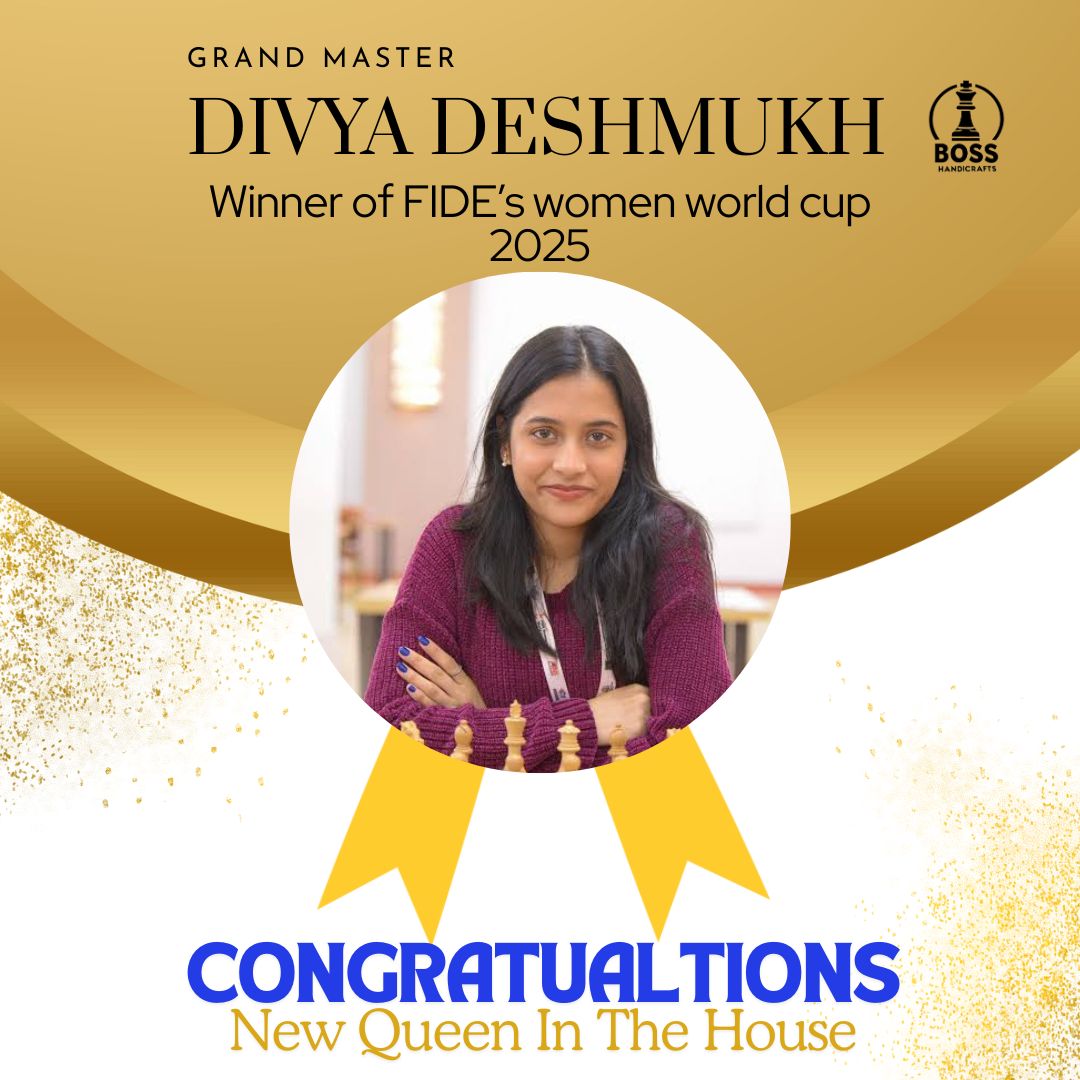
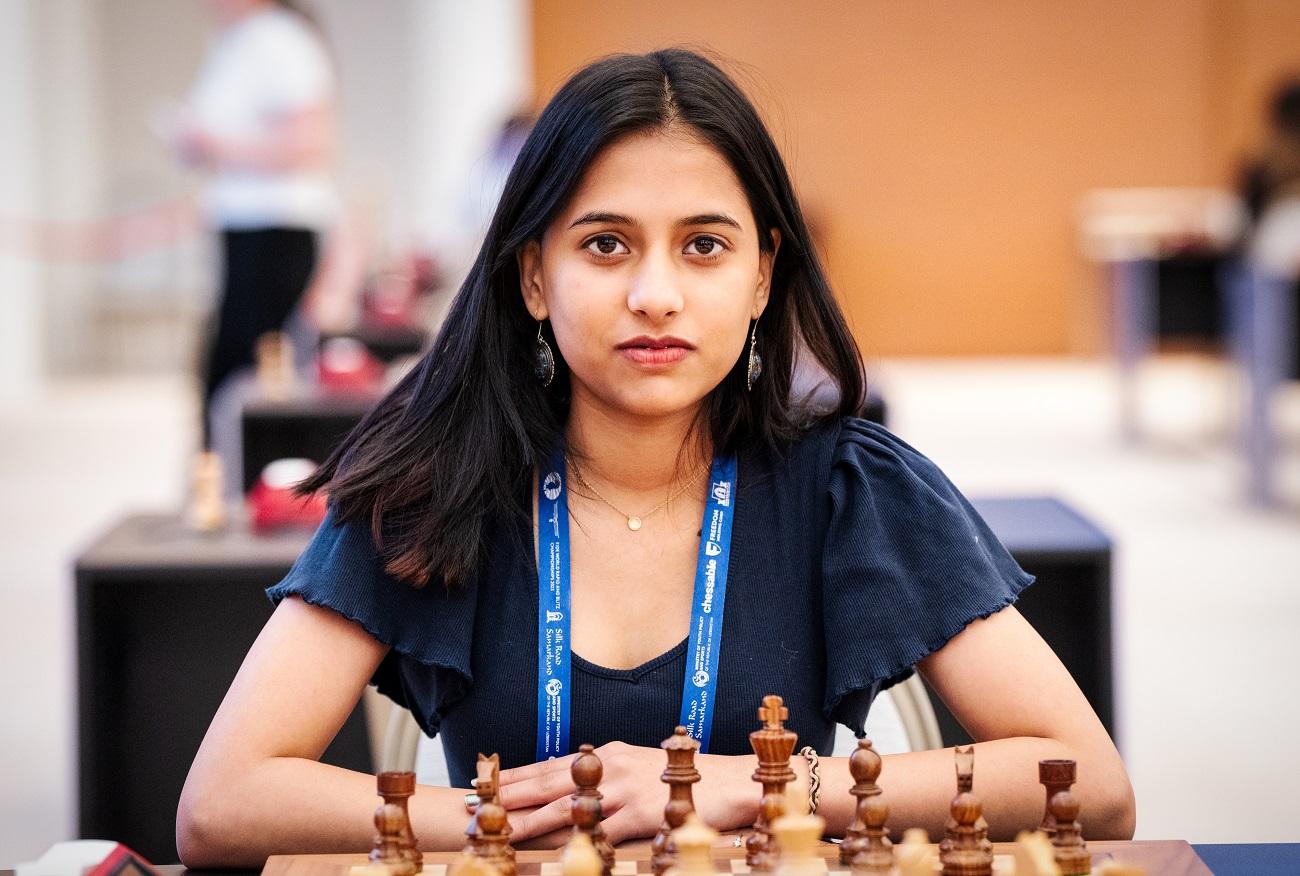
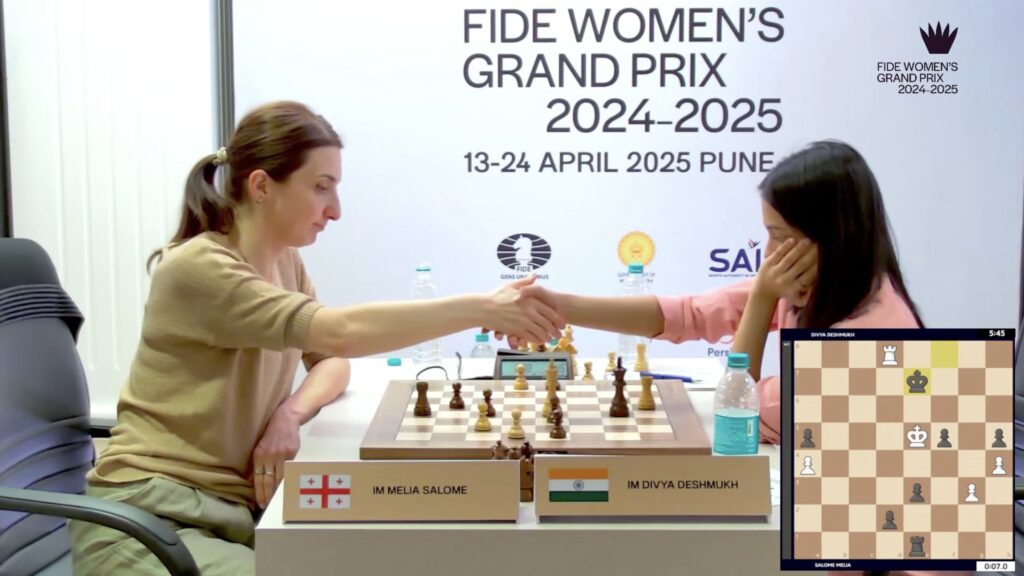
Batumi, Georgia – July 28, 2025 – The world of chess today witnessed a historic moment as India’s prodigious talent, Divya Deshmukh, clinched the FIDE Women’s World Cup title in a thrilling final against her compatriot and chess legend, Koneru Humpy. At just 19 years old, Deshmukh’s victory is not only a monumental achievement in itself but also culminates in her earning the coveted Grandmaster (GM) title, making her the fourth Indian woman to achieve this prestigious rank. This triumph, played out on the grandest stage, captivated audiences who watched every move unfold across the chess board.
The final match, held in the picturesque city of Batumi, Georgia, was a testament to the immense skill and mental fortitude of both players. After two intensely fought classical games ended in draws, the championship boiled down to a tense rapid tie-break. It was here that Divya, demonstrating nerves of steel and impeccable calculation, outmaneuvered the seasoned Humpy.
The second rapid game, with Divya playing with the black pieces, saw Humpy, under immense time pressure, falter in the endgame. Divya capitalized with clinical precision, moving her chess pieces with strategic brilliance, converting her advantage into a decisive win and securing the Women’s World Cup.
Divya’s journey through the tournament has been nothing short of inspiring. Entering as the 15th seed, she defied expectations and systematically overcame a slew of higher-ranked opponents. Her path to the final included victories over formidable Grandmasters like Zhu Jiner, Harika Dronavalli, and former World Champion Tan Zhongyi, before facing the ultimate challenge in Koneru Humpy.
Her fearless attacking play and meticulous preparation were hallmarks of her performance, showcasing a maturity beyond her years. Each round presented a new challenge, a fresh chess set of problems to solve, and Divya rose to every occasion.
The Grandmaster title, the highest accolade in chess awarded by FIDE, typically requires a player to achieve three GM norms in FIDE-approved tournaments and cross an Elo rating of 2500. However, FIDE regulations offer an expedited path for winners of certain elite competitions, and the Women’s World Cup is one such event.
Divya, who astonishingly did not have a single GM norm prior to this tournament, not only conquered the World Cup but, by doing so, earned the Grandmaster title automatically. This makes her the 88th Indian and only the fourth Indian woman to become a Grandmaster, joining the ranks of Koneru Humpy, Harika Dronavalli, and R. Vaishali.
Her emotional reaction post-victory, sharing a tearful embrace with her mother, resonated deeply with fans globally. “I didn’t even have one norm before coming to the World Cup, and all I was thinking of was ‘Oh, when can I get my norm,’ and now I have a crown and Grandmaster title too,” a visibly overwhelmed Divya shared. This sentiment perfectly encapsulates the dream-come-true narrative of her triumph.
Divya Deshmukh’s victory is not just a personal milestone; it is a significant moment for Indian chess. It highlights the burgeoning talent within the nation’s chess landscape, further solidifying India’s position as a global powerhouse in the sport.
Coming on the heels of other remarkable achievements by young Indian prodigies, including the men’s and women’s teams clinching gold at the 45th FIDE Chess Olympiad in 2024 and D. Gukesh becoming the youngest World Chess Champion, Divya’s success adds another glorious chapter to this golden era.
Her journey from a promising International Master to a World Cup Champion and Grandmaster serves as a powerful inspiration for aspiring chess players, especially young girls, across the globe. Divya Deshmukh has not just won a tournament; she has etched her name in chess history and announced herself as a formidable force to be reckoned with for years to come. The chess world eagerly anticipates her next moves on the 64 squares.
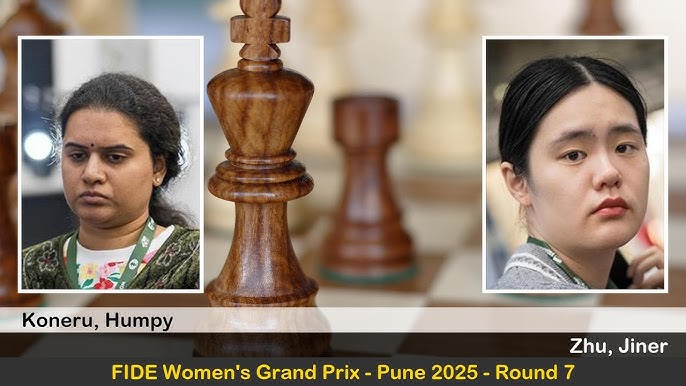
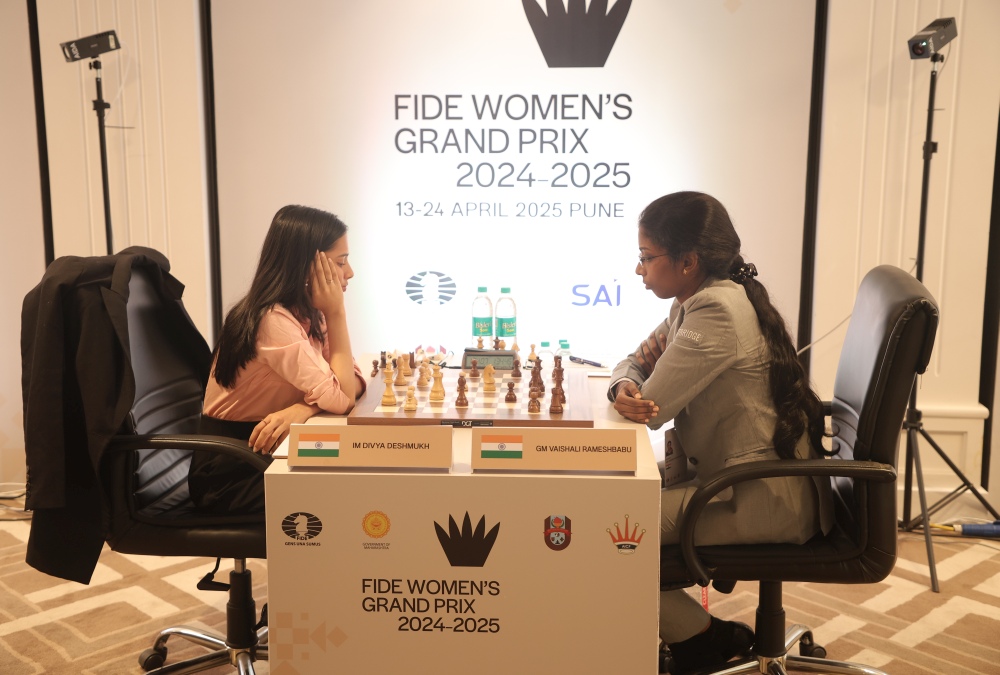
The encounter between GM Koneru Humpy and GM Zhu Jiner at the Pune FIDE Women’s Grand Prix showcased Humpy’s extraordinary prowess on the chessboard. From the very beginning, Humpy demonstrated her strategic depth and meticulous preparation, characteristics that have defined her illustrious career. The match commenced with an opening that gave Humpy an advantageous stance, allowing her to dictate the flow of the game. She employed a Sicilian Defense, which is known for its dynamic potential and tactical richness, giving her opportunities to exploit any missteps from her opponent.
As the game progressed, a crucial moment emerged on the 12th move when Humpy capitalized on an error made by Zhu. Instead of adopting a defensive posture, Humpy seized the opportunity and executed an aggressive pawn structure that limited her opponent’s options. Her understanding of positional play allowed her to create imbalances that were compelling for any observer. Zhu’s subsequent response to rectify her earlier mistake proved insufficient, as Humpy expertly maneuvered her pieces to fortify her position. Each of Humpy’s pieces seemed to be coordinated in a symphony of strategy, with her rooks doubling on the open files and her bishops controlling key diagonals.
A turning point came in the mid-game when Humpy utilized a tactical maneuver that not only put pressure on Zhu but also facilitated her own advancement. The transition to the endgame highlighted Humpy’s experience, as she deftly calculated her winning path while preventing any counterplay from Zhu. This match starkly illustrated not only Humpy’s robust tactical vision but also her psychological strength under pressure. Ultimately, the victory was a testament to her preparation, decision-making, and mastery of the chessboard, positioning her firmly in the lead at the tournament and showcasing her potential as a frontrunner in the FIDE Women’s Grand Prix.
Current Standings and Tournament Dynamics
The Pune FIDE Women’s Grand Prix has reached a critical juncture, with Grandmaster Koneru Humpy currently leading the tournament with a remarkable score of 5.5 points out of a possible 7. This stellar performance has positioned her as a formidable contender, highlighting her exceptional skills and strategic prowess on the board. Humpy’s consistent victories have not only solidified her standing but have also created significant pressure on her rivals in the tournament.
As of now, the tournament format includes a total of 11 rounds, giving players ample opportunity to accumulate points. With only four rounds remaining, competitors are racing against time to close the gap. The current standings show several players trailing Humpy, each with varying scores and potential to upset her lead. Leaders such as GM Ju Wenjun and GM Pia Cramling have displayed commendable form, but their chances of overtaking Humpy will hinge on consistent performance in the upcoming rounds.
The dynamics of the tournament are further complicated by factors such as tie-break regulations, score differentials, and the need for aggressive play from those vying for top positions. To capitalize on any slip from Humpy, other competitors must not only win their remaining matches but also seek to secure superior scores against lower-ranked players, as a higher aggregate score can often be pivotal in tiebreak situations.
As the rounds progress, every move becomes crucial. The pressure mounts on the competitors, making the next matches critical for those hoping to catch Humpy. Each player’s strategy will be tested not only against their opponents but also in managing the psychological demands of the tournament. Humpy, while in a commanding position, must maintain her focus and adherence to a strong tactical approach to ensure continued success at this prestigious event.
The Significance of Humpy’s Achievement
GM Koneru Humpy’s recent victory at the Pune FIDE Women’s Grand Prix marks a monumental achievement not only in her illustrious career but also within the broader context of women’s chess. Having established herself as one of the world’s leading chess players, her success in this prestigious tournament further solidifies her status as a trailblazer in a field that, while evolving, still faces numerous challenges. With a series of astounding accomplishments, including becoming the youngest ever female player to achieve the title of grandmaster, Humpy’s victories serve as an encouragement to women across the globe aiming for excellence in chess.
The implications of Humpy’s leadership in the tournament extend beyond her personal accolades. Her performance is a beacon for aspiring female chess players, illustrating that success in a traditionally male-dominated arena is not only possible but achievable with dedication and skill. This victory can inspire younger generations to pursue their passion for chess without hesitation, fostering a more inclusive environment in competitive chess. Humpy’s prominence showcases that women can not only compete but excel on par with their male counterparts, a critical step towards changing long-standing perceptions about female participation in the sport.
Additionally, Humpy’s achievements serve as a powerful reminder of the growing talent pool of female players in chess. As she continues to break barriers, the chess community looks to her for inspiration and guidance. Her relentless pursuit of excellence demonstrates the importance of mentorship and representation within the game. The significance of Humpy’s win lies not just in the immediate accolades but also in its potential to inspire a cultural shift, promoting diversity and inclusivity in chess, and encouraging more girls to engage in this strategic pursuit.
The Beauty of Chess: Luxury Wooden Boards and Pieces
The game of chess is not only a test of intellect but also an art that reflects a rich historical legacy. Among the many aspects that enrich the experience of chess, the aesthetic appeal of luxury wooden chess boards and pieces stands out prominently. High-quality wooden chess sets represent the beauty of craftsmanship, combining exquisite materials with careful design to create instruments of strategy that are pleasing to the eye.
Luxury wooden chess boards are often crafted from various types of hardwoods, such as mahogany, maple, or walnut. Each type of wood contributes distinct visual qualities and tactile experiences. A beautifully polished mahogany board, for example, not only enhances the elegance of the game but also provides a warm playing surface that accentuates the contrast between light and dark pieces. The choice of materials reflects the timeless nature of chess, inviting players into a realm of deep tradition.
The pieces themselves can vary greatly in design, from minimalist to ornately carved. Some players prefer the classic Staunton style, which is functional yet aesthetically pleasing, with each piece embodying the character of its role on the board. Others may opt for intricately designed figures that tell a story, representing historical themes or cultural motifs. Quality wooden pieces not only enhance the visual stimulation of the game but also offer a tactile richness that enhances every move made during play.
Furthermore, the significance of using well-crafted equipment cannot be underestimated. Luxury wooden chess boards and pieces can greatly influence the playing experience, allowing players to engage with the game on multiple levels. The visual allure of these sets can inspire a greater appreciation for the game itself, making each match not just a competition but a celebration of its storied heritage. Ultimately, investing in a luxury wooden chess set is not merely about possession; it is a commitment to honor the tradition and beauty that chess embodies.
Magnus Carlsen, born on November 30, 1990, in Tonsberg, Norway, is widely regarded as one of the greatest chess players in the history of the game. He displayed exceptional talent from a young age, becoming the youngest player to achieve the title of Grandmaster at the age of 13. This remarkable feat positioned him as a prodigious talent in the competitive world of chess.
Throughout his career, Carlsen has amassed numerous accolades, cementing his reputation as a dominant force. He first became World Chess Champion in 2013, a title he has successfully defended multiple times against some of the world’s strongest players. His playing style is characterized by creativity, deep understanding of strategic complexities, and an impressive ability to navigate through different types of positions. Magnus is also known for his endgame prowess and remarkable adaptability, which often leaves his opponents struggling to counter his innovative tactics.
In addition to his classical chess achievements, Carlsen has excelled in rapid and blitz formats, showcasing his versatility as a player. He has consistently achieved high ratings in the World Chess Federation (FIDE) rankings, often surpassing the 2800 mark, a benchmark few players have ever reached. His charismatic personality and dedication to the game have helped popularize chess, making him a prominent figure not only in Norway but across the globe.
As we delve into his recent performance at the Grenke Freestyle Chess Open, it is essential to recognize the extraordinary talent and dedication that have propelled Carlsen to the pinnacle of the chess world. His contributions to the game extend beyond victories, as he continues to inspire aspiring chess players worldwide, exemplifying excellence both over the board and within the chess community.
The Grenke Freestyle Chess Open Explained
The Grenke Freestyle Chess Open stands as a notable event in the chess calendar, drawing an eclectic mix of competitors from casual players to grandmasters, each eager to showcase their skills in a dynamic environment. Unique in its offering, the tournament allows participants to compete in various formats, further enriching the competitive atmosphere. Notably, players have the autonomy to select their own time controls, giving rise to diverse game styles and strategies across the board. This flexibility not only caters to different playing preferences but also maintains spectator interest by presenting a range of tactical encounters.
The structure of the Grenke Freestyle Chess Open incorporates multiple rounds, generally organized in a Swiss-system format. This method allows for a fair competition, where players are matched against opponents of similar skill levels based on their performance in previous rounds. Such a format not only promotes a balanced challenge for all participants but also increases the number of engaging matchups throughout the event. Each round presents competitors with the opportunity to adjust their strategies, as players can choose not only their time controls but also their game format, be it rapid, blitz or classical chess.
Carlsen’s Path to Victory
Magnus Carlsen, the reigning World Chess Champion, showcased his exceptional skills at the Grenke Freestyle Chess Open, where he displayed a strategic mastery and an unyielding mindset throughout the competition. Carlsen’s journey during this tournament was characterized by his ability to adapt to different opponents and his unwavering focus on achieving victory. The tournament began with Carlsen engaging in a series of highly competitive matches against players of various styles and approaches.
In the early rounds, Carlsen faced formidable opponents who tested his strategic acumen. He employed a variety of openings, including the Sicilian Defense and the Ruy Lopez, demonstrating an ability to shift his style according to the strengths and weaknesses of his adversaries. This adaptability played a crucial role in his early triumphs, allowing him to secure an advantageous position in subsequent rounds. His keen understanding of the game enabled him to exploit even the slightest errors made by his opponents, demonstrating why he is considered one of the best in the chess community.
As Carlsen progressed through the tournament, he maintained a calm and analytical mindset, crucial for navigating the high-pressure environment of competitive chess. He demonstrated resilience even when faced with equally skilled players, maintaining his composure during critical moments of the matches. The psychological aspect of chess cannot be ignored; Carlsen’s ability to read his opponents and predict their moves became imperative in securing his path to the final round.
In the later stages, Carlsen’s opponents became increasingly formidable, showcasing a range of innovative strategies and tactics. Despite the mounting pressure, Carlsen’s preparation and years of experience allowed him to adapt quickly and outmaneuver his opponents. His journey through the Grenke Freestyle Chess Open exemplified not only his technical prowess but also his holistic approach to the game, where mental fortitude and strategic planning converge seamlessly to create a winning formula.
The Final Showdown: Carlsen vs. Keymer
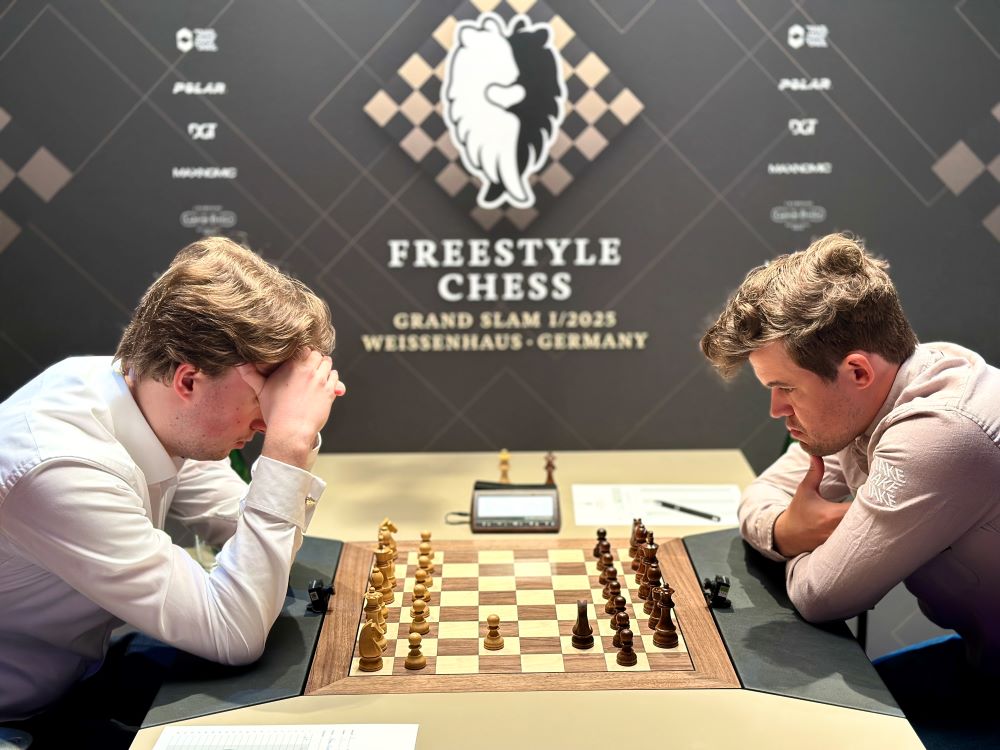
The final round of the Grenke Freestyle Chess Open captured the attention of chess enthusiasts worldwide as Magnus Carlsen faced the promising young talent, Vincent Keymer. The atmosphere was electric, with spectators eager to witness how Carlsen, the reigning World Chess Champion, would tackle the up-and-coming Keymer, who had demonstrated remarkable prowess throughout the tournament. Carlsen, playing with the white chess pieces, opened the game with an ambitious line that set the stage for a dynamic confrontation.
From the outset, Carlsen exhibited his characteristic strategic flair. He employed the Ruy Lopez, an opening known for its deep strategic possibilities. Keymer responded with confidence, matching the former World Champion’s moves with precision. However, it became apparent that Carlsen had a plan focused on exploiting weaknesses in Keymer’s pawn structure. The game progressed through a series of punctuated exchanges, where Carlsen’s tactical acumen began to shine through, particularly as he initiated a subtle maneuver on the kingside. This was a key moment, revealing Carlsen’s intention to create imbalances in the position.
Ultimately, these critical moments culminated in Carlsen’s victory, demonstrating his unparalleled ability to navigate complex positions. The final showdown against Keymer not only highlighted Carlsen’s tactical depth but also the bright future that awaits the young German player in the chess world. Each move in this battle illustrated the beauty of chess, where strategy, foresight, and resilience play vital roles in achieving success.
Perfect Score Achieved: 9/9 Points
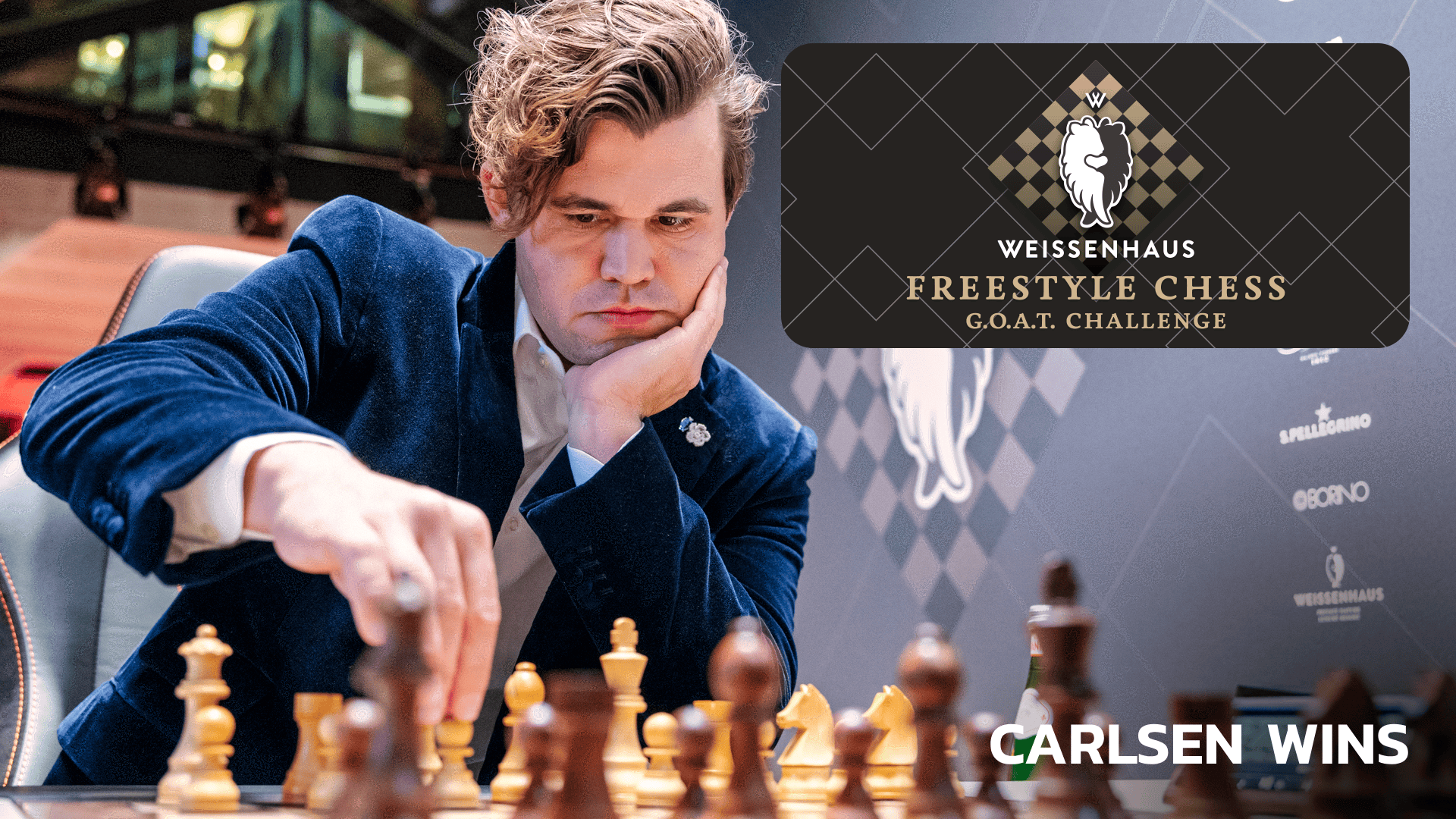
Magnus Carlsen’s performance at the Grenke Freestyle Chess Open was nothing short of extraordinary, as he concluded the tournament with a flawless score of 9 out of 9 points. Achieving a perfect score in a major chess tournament is an exceedingly rare feat, reflecting not only individual brilliance but also a deep strategic understanding of the game. This level of perfection is often seen as the pinnacle of success in competitive chess, highlighting both the skill and preparation required to dominate various opponents over multiple rounds.
The significance of Carlsen’s unbeaten streak cannot be overstated; throughout chess history, few players have managed to secure a perfect score in high-stakes tournaments. Such an accomplishment typically requires a harmonious blend of intellectual prowess, intuitive decision-making, and the ability to adapt to the unique playing styles of diverse competitors. Carlsen’s victory at the Grenke Freestyle Chess Open exemplifies these qualities, demonstrating why he remains a formidable force in the chess community.
In order to complete the tournament without any losses, Carlsen had to consistently outmaneuver his opponents, making calculated risks and executing complex tactics effortlessly. Each round showcased his remarkable capability to not only anticipate the moves of his rivals but also to execute counter-strategies that left them scrambling for advantage. This performance serves as an impressive reminder of Carlsen’s status as one of the greatest chess players of all time.
Ultimately, Carlsen’s perfect score of 9/9 points at the Grenke Freestyle Chess Open will be remembered as a landmark achievement, resonating within the chess world. This accomplishment reinforces his legacy and serves as both inspiration and aspiration for emerging chess players aiming to reach similar heights in their careers.
The Impact of Magnus Carlsen’s Victory on Chess
Magnus Carlsen’s triumphant performance at the Grenke Freestyle Chess Open has reverberated through the chess community, signaling not only his exceptional skill but also redefining competitive standards in the sport. His mastery during the tournament exemplifies the pinnacle of chess prowess, inspiring a new generation of players that aspire to reach similar heights. Carlsen’s ability to navigate through various formats and styles of play opens up an array of strategic possibilities for upcoming chess talents, encouraging them to explore innovative tactics beyond traditional frameworks.
Moreover, the Grenke Freestyle Chess Open has gained significant prestige through Carlsen’s participation and victory. Recognized as a prestigious event in the international chess calendar, its allure has intensified, attracting both seasoned participants and aspiring amateurs. This growing stature represents a valuable opportunity for emerging players to showcase their abilities on a grand stage, effectively raising the competitive bar within the chess landscape. Events like these play a crucial role in promoting chess as a sport, drawing larger audiences and fostering greater interest among enthusiasts and potential players alike.
For Magnus Carlsen, this victory solidifies his status as a dominant force in the world of chess, potentially altering the trajectory of his career. As players strive to dethrone him, Carlsen’s continued excellence ignites dynamic rivalries that elevate the excitement surrounding chess competitions. His achievements not only enrich his personal legacy but also reinforce the importance of consistent excellence and adaptability in a rapidly evolving game. The implications of Carlsen’s victory extend beyond his individual success, impacting the overall perception of chess and motivating players at all levels to engage more deeply with the game. In conclusion, the resonance of Carlsen’s success at the Grenke Freestyle Chess Open is profound, with effects that will likely shape the future of chess for years to come.
Luxury Chess: A New Standard
The landscape of chess has long been associated with intellectual rigor and strategic depth, but recently, it has notably intersected with the luxury market, giving rise to a new standard in the realm of luxury chess. This emerging trend reflects a growing appreciation for not only the game itself but also the materials and craftsmanship that accompany it. Enthusiasts and collectors alike are increasingly drawn to handcrafted wooden chessboards and exquisitely designed pieces, elevating their experience beyond mere gameplay.
Luxury chess sets offer more than just aesthetic appeal; they often incorporate premium materials such as teak, mahogany, and various exotic woods, meticulously carved to exemplify superior craftsmanship. Additionally, luxury chess pieces may feature intricate detailing, which transforms each figure into a miniature work of art. This emphasis on quality resonates with players who view chess not only as a pastime but as a cherished hobby deserving of fine accessories.
The allure of luxury chess is also evident in the growing number of artisans and small-scale manufacturers dedicated to producing high-end chess sets. These creators embrace traditional techniques while often introducing modern design elements, resulting in unique chess sets that appeal to both traditionalists and contemporary enthusiasts. With the rise of e-commerce platforms, access to these luxury games has expanded, allowing chess enthusiasts from various backgrounds to invest in premium items that enhance their playing experience.
Furthermore, the concept of luxury chess is intertwined with the lifestyle of its players. For some, owning a remarkable chess set is a status symbol, reflecting a passion for strategy, art, and exclusivity. As the demand for quality materials and sophisticated designs continues to rise, luxury chess sets are establishing themselves as not only functional tools for the game but also as treasured collectibles, marking a significant shift in how chess is perceived and enjoyed today.
The Future of Chess with Magnus Carlsen
Magnus Carlsen, the reigning world chess champion, has significantly transformed the landscape of chess through his exceptional talent and strategic gameplay. As we look forward into the future of chess with Carlsen as a central figure, it becomes evident that his influence will extend beyond just his victories on the board. One of the most crucial ways Carlsen may impact the game is through mentorship, as he has increasingly engaged with younger players. By sharing his knowledge and expertise, he can cultivate a new generation of chess enthusiasts and competitors. This kind of mentorship has the potential to foster an environment where innovation flourishes, encouraging aspiring players to explore unconventional strategies and approaches.
Additionally, Carlsen’s active involvement in various chess formats and online platforms has already started reshaping how chess is consumed and appreciated globally. His commitment to promoting chess aligns with the rising trend of digital engagement, where chess can be made more accessible to the masses. Engaging content and opportunities for individuals to learn directly from a master elevates the overall profile of the game and helps attract a broader audience, especially the youth. As the fame of chess continues to burgeon with the aid of technology, Carlsen’s leadership will prove vital in nurturing this interest and capitalizing on it.
However, the future may also present challenges for Carlsen. As new players emerge, the competition is likely to intensify. Maintaining his position as the best player will require continued adaptation to evolving strategies and styles of play. Furthermore, balancing public expectations and the pressure to constantly perform at an elite level could present personal challenges for Carlsen. It remains to be seen how he navigates these complexities, but his robust dedication to the sport suggests he is well-equipped to face whatever lies ahead in the evolving narrative of chess.
Conclusion: Celebrating Chess Excellence
Magnus Carlsen’s extraordinary victory at the Grenke Freestyle Chess Open serves as a testament to not only his unparalleled skill but also the enduring spirit of chess as a competitive art form. Throughout the tournament, Carlsen demonstrated a remarkable ability to adapt and strategize against a diverse array of opponents, solidifying his position as a modern-day chess maestro. His performance has sparked renewed excitement among fans and players alike, reminding them of the beauty and depth inherent in this ancient game.
The impact of such achievements extends beyond accolades and titles; they elevate the entire game of chess, inspiring both novice and seasoned players to strive for excellence. Carlsen’s distinct approach combines aggressive tactics with profound strategic understanding, showcasing how the principles of creativity and adaptability can lead to victory. This performance has the potential to motivate countless individuals to pursue chess with the same level of dedication and passion.
In various chess circles, the significance of sportsmanship cannot be overstated. Carlsen’s respectful interactions with fellow players, regardless of the rivalry, exemplify the core values that chess embodies. The culture of camaraderie among competitors elevates the sport, creating an environment where excellence is celebrated, and mutual respect prevails. Such a spirit is vital for the continued growth and popularity of chess, as it fosters a community that is both welcoming and inspiring.
Cumulatively, Magnus Carlsen’s perfect victory at the Grenke Freestyle Chess Open stands as a landmark event in chess history. It embodies the essence of the game: strategic brilliance combined with sportsmanship. As this illustrious community celebrates the achievements of its champions, it also nurtures the next generation of players who will carry forth the legacy of chessmanship and innovation into the future.
The Design Journey of the World Tournament Chess Set
Prestige staunton wooden chess set
The World Tournament Chess Set, designed by the renowned Daniel Weil from Pentagram in 2012, emerged as a significant innovation in the chess community. The creative journey of this set is one that illustrates the seamless blend of functionality and artistry, essential attributes for any chess piece. From the outset, Weil’s vision was to create a set that not only served as a tool for competitive play but also as a piece of art that could be appreciated aesthetically. This dual focus on utility and design is a hallmark of Weil’s work and is evident throughout the entire design process.
The design of the World Tournament Chess Set draws inspiration from classic chess pieces while introducing modern elements that breathe fresh life into the traditional game. Each piece was thoughtfully crafted, ensuring that they are not only visually stunning but also ergonomically designed for optimal handling during play. The choice of materials, colors, and shapes pays homage to the rich history of chess, while simultaneously incorporating contemporary design principles. This careful consideration of both form and function reflects a deep understanding of chess as not merely a game but as a cultural phenomenon, making the set an ideal choice for world championship play.
Features and Specifications of the Reproduced Chess Set
The reproduced FIDE World Championship chess set by Boss Handicrafts showcases an exquisite design that combines both elegance and functionality, embodying the prestige of global chess tournaments. This luxurious set is celebrated for its meticulously crafted pieces and attention to detail. The specifications reveal a thoughtful approach to design, ensuring that each piece contributes not only to the aesthetics but also to the gameplay experience.
The king, emblematic of the set, stands at an impressive height of 3.9 inches, allowing it to draw the eye and serve as the focal point of the board. The other pieces are scaled proportionally to maintain harmony within the set; for instance, the pawns measure 2.15 inches tall. Each piece is designed with specific base measurements that enhance stability during play, ensuring that they remain securely positioned even during intense matches.
In terms of materials, the chess set is crafted from premium ebonized boxwood for the dark pieces, while the light pieces are made of high-quality boxwood. This choice of materials not only contributes to the visual appeal with a striking contrast but also ensures durability and longevity. The elegant finish further highlights the craftsmanship involved in each piece, making it a prized possession for chess enthusiasts and collectors alike.
The total weight of this renowned chess set adds to its reassuring presence on the chessboard, enhancing the overall playing experience. As such, the reproduced FIDE World Championship chess set stands as a testament to impeccable craftsmanship, melding tradition with modern design sensibilities, thereby appealing to both seasoned players and new entrants to the game.
ebonised reykjavik staunton chess set
Choosing the Perfect Chess Board for Your Set
Selecting the right chess board to accompany the Reproduced World Tournament Chess Set is critical for both aesthetic appeal and gameplay quality. A well-suited chess board not only enhances the elegance and prestige of the pieces but also contributes to an enriched playing experience. For this particular set, an ideal board size falls between 50mm to 55mm per square. This size enables optimal visibility of the pieces and their intricate designs, allowing players to engage fully in the strategic nuances of the game.
Wooden chess boards are particularly recommended for their classic beauty and sturdy construction. When choosing a wooden board, consider the type of wood used. Options such as maple, walnut, or oak not only provide durability but also add a layer of sophistication to your chess setup. A well-crafted wooden board can elevate the overall presentation of your chess pieces, making every game a visually stunning affair.
Aesthetic considerations play a significant role in this process. A wooden chess board can serve as a centerpiece in your living space, echoing themes of tradition and elegance. It is essential to choose a board that harmonizes with the color scheme and finish of your chess pieces. The natural grains and tones of the wood can bring out the best in your Reproduced World Tournament Chess Set, highlighting the craftsmanship of the individual pieces.
Furthermore, the seamless interaction between the board and the pieces is fundamental in facilitating smoother gameplay. A chess board that complements the World Tournament Chess Set not only enhances the visual appeal but also contributes to a more engaging and enjoyable game. Taking the time to select the right board can lead to years of satisfaction, making every match a memorable experience in both strategy and elegance.
Why This Chess Set Makes a Great Investment
The reproduced World Tournament Chess Set stands out as an exceptional investment, blending both aesthetic appeal and functional excellence. Crafted with premium quality materials, this luxury wooden chess set not only exemplifies fine craftsmanship but also ensures durability, making it a fantastic choice for both casual players and serious competitors. The weight and feel of each piece contribute to a truly satisfying tactile experience, essential for an engaging game of chess.
Beyond its physical attributes, the historical significance of this chess set cannot be overlooked. Each set draws inspiration from notable tournaments, thereby becoming a collector’s item that holds immense value over time. For chess enthusiasts, owning such a piece of history offers a deeper connection to the game itself, prompting thoughtful reflection on historical matches and legendary players. This added layer of significance makes purchasing the reproduced World Tournament Chess Set not merely a transaction, but a meaningful investment in the culture of chess.
Moreover, the potential for long-term value appreciation is a crucial aspect to consider. Similar luxury items often increase in worth due to their limited availability and desirability among collectors. By adding this chess set to your collection, you are not only enhancing your own playing experience but also acquiring an asset that may appreciate significantly in value. The inclusion of extra queens, a thoughtful and practical feature, further enhances gameplay by allowing players to execute various strategies without disruption. This intelligent design caters to both casual and serious play, reinforcing the set’s status as a worthwhile investment.
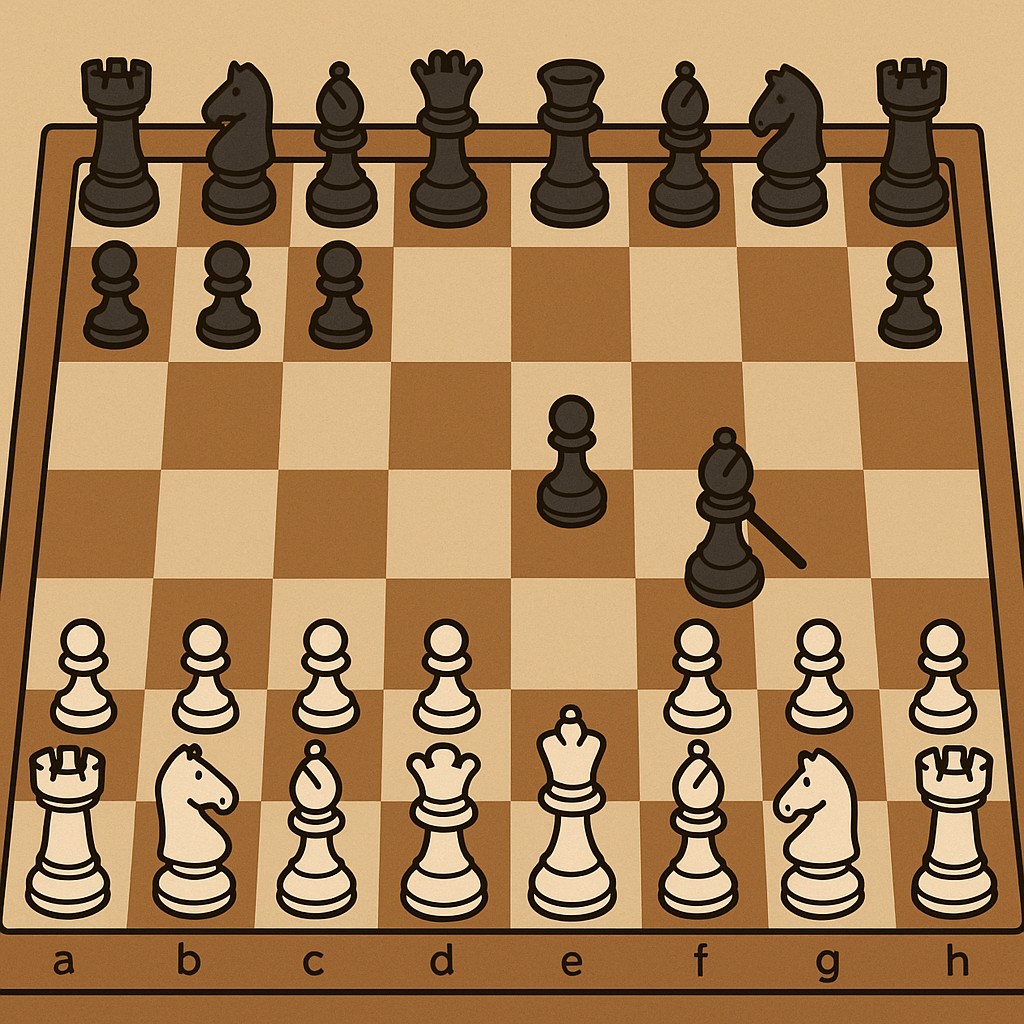
The Dutch Defense is a dynamic and aggressive opening choice employed by Black following the move 1.d4. This opening is characterized by its capacity to create a robust and asymmetrical pawn structure that enables Black to mount a counteroffensive against White’s central control. By utilizing the Dutch Defense, players aim to disrupt their opponent’s plans and introduce uncertainties into the position, which can lead to exciting tactical possibilities.
Moreover, the versatility of the Dutch Defense has drawn attention in various competitive circles. It is not uncommon to see this opening employed in both casual games and high-level tournaments alike. As players delve into studying the nuances of the Dutch Defense, they often find it a suitable option for building their repertoire with a refreshing approach. The essence of this defense challenges preconceived notions of passive responses, imparting to players the importance of counterattacking schemes.
In summary, the Dutch Defense stands out as a bold and complex choice well-suited to players seeking an aggressive stance against 1.d4. By understanding the fundamental principles underpinning this opening, players can enhance their skill set and explore rich tactical opportunities on the board.
Key Principles of the Dutch Defense
The Dutch Defense is a dynamic choice for players seeking to gain an offbeat yet effective opening against 1.d4. At its core, this defense is characterized by a few key principles that enable players to exert control over the game from the very beginning. One central tenet of the Dutch Defense is the importance of controlling the e4 square. This element is crucial, as it allows Black to contest the center and limit White’s options. By opting for pawn moves such as …f5, Black actively challenges White’s ability to dominate the center.
Another essential principle of the Dutch Defense is active piece development. Players are encouraged to develop their pieces harmoniously, focusing on optimal squares to ensure they can participate fully in the middle game. In particular, the development of the dark-squared bishop is a strategic consideration. Often, this leads to a fianchetto setup where the bishop is positioned on g7, exerting long-range pressure on the center and targeting the opposing side. This fianchetto not only contributes to piece activity but also supports Black’s pawn structure, which is a vital aspect of the Dutch Defense.
In conjunction with control of the center and piece activity, the pawn structure of the Dutch Defense plays a significant role. Typically, Black aims for a robust pawn formation that strengthens control over central squares while providing flexibility for future maneuvers. The placement of pawns on d5 and f5 can create a resilient foundation, as well as potential tactical opportunities against White. Understanding the underlying concepts of central control, active piece development, and strategic pawn structure can greatly enhance a player’s effectiveness when employing the Dutch Defense. As one explores this opening further, these principles serve as guiding pillars in the quest for mastery.
Early Moves and Variations
The Dutch Defense is well-known for its solid yet aggressive nature, popularized by various grandmasters over the years. It begins with the moves 1.d4 f5, effectively challenging White’s center control. By deploying the f5 pawn early, Black aims to establish a strong foothold while retaining opportunities for counterplay. The ensuing move order is crucial as it sets the tone for many variations that characterize the Dutch Defense.
One of the mainlines emerging from this opening is the Classical Variation, which allows Black to develop their pieces harmoniously while safeguarding the pawn structure. In this setup, after 1.d4 f5 2.c4 Nf6 3.Nf3 e6, Black prepares to develop the dark-squared bishop, potentially to e7 or d6, while keeping options open for a kingside fianchetto. Here, strategic ideas often revolve around controlling the e5 square and leveraging the central pawns effectively.
Another widely practiced variation is the Leningrad Variation. Following the moves 1.d4 f5 2.c4 Nf6 3.Nf3 g6, Black plays a setup aiming for dynamic piece play and pawn storm opportunities on the kingside. The key tactical motifs in this variation often include swiftly mobilizing the pieces for an attack against White’s king while maintaining a solid defense through the e6 and f5 pawns.
The Stonewall Variation emerges after 1.d4 f5 2.c4 e6 3.Nf3 Nf6 4.e3 d5. This formation involves a strong centralized pawn structure that maximizes the control of important squares. The focus here is on generating flexibility in piece development while ready to counter any central breakthroughs from White. Knowing the specific traps and tactical ideas for each of these variations is fundamental for anyone looking to master the Dutch Defense.
Strategic Ideas Behind the Dutch Defense
The Dutch Defense is a provocative and dynamic choice for Black, emphasizing a variety of strategic ideas that can ultimately lead to a successful middle-game. At its core, this opening seeks to create a strong foothold in the center while also providing opportunities for tactical strikes. One of the primary goals of the Dutch Defense is to prepare a robust pawn structure, often centered around the e5 square. This central pawn break can lead to an immediate challenge to White’s central control, so understanding the timing and execution of such pawn advances is crucial.
Another salient aspect of the Dutch Defense is the development of wooden chess pieces to create maximum pressure on White’s position. Depending on White’s response, players are encouraged to position their knights and bishops actively, often looking to place the pieces on more aggressive squares. For example, after a move like …Nf6 and …e6, the development of the dark-squared bishop to e7 or f6 can add significant pressure to White’s center while also preparing for potential kingside attacks.
Furthermore, players should consider how to exploit weaknesses in White’s setup. One common plan involves creating pawn breaks on the kingside, thus allowing for the participation of rooks and queens in the assault. For those playing with a luxury chess set, the tactile experience of wooden chess pieces makes the strategic planning more engaging, supporting this carefully calibrated assault. When positioned on a flat chessboard, the subtle movements and structure lend themselves to deeper tactical insights and a greater appreciation of the game.
The Dutch Defense, while promoting an aggressive posture, also requires the maintanance of solid piece coordination. Players must remain vigilant for tactical shots and momentary lapses in White’s defensive formation. By leveraging the rich strategic concepts underlying this opening, players can navigate the complexities of the Dutch Defense, enhancing their overall understanding of the game.
Famous Games Demonstrating the Dutch Defense
The Dutch Defense, a compelling opening choice for many chess enthusiasts, has been a battleground for numerous famous games involving illustrious players such as Viktor Korchnoi and Magnus Carlsen. By examining pivotal matches, we can uncover the nuances and strategic depth that this opening offers. One notable game to consider is Korchnoi’s clash against Anatoly Karpov in their 1974 World Championship match. Korchnoi opted for the Dutch Defense, employing a variant that allowed him to maintain a dynamic pawn structure while creating opportunities for counterplay.
In the opening moves, Korchnoi’s choice demonstrated the potential of the f-pawn, expanding his territory on the kingside. The subsequent development of his wooden chess pieces was meticulously calculated to create threats while allowing for flexibility in his position. Key moments included Korchnoi’s strategic play around the center, showcasing the tactical potential of the Dutch Defense, which often surprises opponents accustomed to more classical openings. This game not only exemplified Korchnoi’s prowess but also illustrated the rich possibilities inherent in the Dutch Defense.
Magnus Carlsen’s use of the Dutch Defense against Hikaru Nakamura serves as another prime example. In their 2016 encounter, Carlsen employed a more modern interpretation while navigating through the complexities of a travel chess environment at a tournament. His execution of the opening led to a compelling middle game where he demonstrated exceptional maneuvering with his wooden chess pieces. Carlsen’s understanding of pawn structure and piece activity was crucial in exploiting Nakamura’s missteps. This game highlights not only Carlsen’s skill but also the effectiveness of the Dutch Defense in elite competition.
By analyzing these famous games, we can appreciate the adaptability and tactical richness of the Dutch Defense. Such encounters testify to its viability as a luxury chess opening and its relevance in contemporary chess.” In conclusion, the Dutch Defense remains a powerful weapon in the arsenals of world-class players, underscoring its timeless appeal in the chess world.
Common Mistakes and How to Avoid Them
When employing the Dutch Defense, players, especially novices, often make certain mistakes that can negatively impact their game. One prevalent error is neglecting piece development. In the Dutch Defense, while it might be tempting to build a strong pawn structure early on, players should prioritize developing their wooden chess pieces. This includes moving knights and bishops into effective positions that support the center of the board. Failure to do so can lead to a lack of control in the middle game, where piece activity is crucial.
Another common mistake involves overextending pawns. The Dutch Defense typically features a solid pawn structure that can become vulnerable if players push their pawns too aggressively. While keeping your wooden chess pieces and pawns harmonized is essential, maintaining a balanced approach is key. Players should focus on creating a flexible setup that allows for both defense and counter-attack without compromising their pawn integrity.
To avoid these pitfalls, it is important to follow some strategies. First, regularly assess your piece development and make it a priority. Even if it means temporarily allowing the opponent to advance, ensuring your pieces are active can lead to significant advantages. Utilize your pawns not as a means for immediate victory but as a foundation for stronger piece positioning as you transition into the middle game.
Additionally, playing on a wooden chessboard during practice can help visualize and evaluate various positions more effectively. By consistently honing your skills and understanding the subtleties of the Dutch Defense, you can significantly reduce the possibility of falling into these common traps. In this way, players can ensure they maintain a robust and well-rounded approach as they progress through their games, culminating in a more successful experience overall.
Who Uses the Dutch Defense Today?
The Dutch Defense has reemerged in contemporary chess, predominantly favored by aggressive and creative players who appreciate its dynamic nature. Among those who frequently employ this opening is the renowned Grandmaster Anish Giri. Giri’s versatile playing style complements the Dutch Defense, allowing him to cultivate complex and rich positions that can bewilder opponents. His successful implementation of this opening in high-stakes tournaments has breathed new life into its relevance within modern strategies, showcasing its potential to surprise adversaries who are not adequately prepared for such a daring approach.
Another distinguished practitioner of the Dutch Defense is Grandmaster Levon Aronian. Known for his deep understanding of various openings, Aronian has adapted the Dutch Defense to fit his unique tactical vision. His ability to generate dynamic play with wooden chess pieces on the chessboard has often led to memorable victories. His insightful approach to the Dutch Defense often emphasizes both counterattacking possibilities and positional understanding, demonstrating that this opening can retain its potency alongside traditional approaches.
Additionally, players such as Dutch Grandmaster Loek van Wely have championed the opening for years, contributing valuable insights and commentary. His extensive experience with the Dutch Defense highlights its adaptability in varied contexts, allowing it to remain pertinent in both classical and rapid formats. Notably, the Dutch Defense is becoming increasingly popular among younger generations of players, who are drawn to its aggressive stance and the thrill of challenging their opponents from the outset. This trend illustrates how the wooden chessboard can serve as a vibrant platform for innovation through established openings like the Dutch Defense.
Psychological Aspects of the Dutch Defense
The Dutch Defense is not merely a strategic choice on the chessboard; it embodies a psychological approach to understanding opponent dynamics and creating imbalanced positions. When players opt for the Dutch Defense, they often seek to disrupt the equilibrium typically enjoyed by White in the opening phase. The way this opening functions is intrinsically linked to the mindset and psychological resilience required to navigate the ensuing complexities. Such positions can unsettle opponents who prefer to engage in more conventional opening tactics, forming the cornerstone of one’s psychological strategy.
Engaging with the Dutch Defense necessitates a willingness to embrace dynamic gameplay. The inherent asymmetry of positions arising from this opening can apply pressure on White, compelling them to either make errors in their plans or to adopt a defensive demeanor. Thus, the psychological advantage lies in the ability to stay unpredictable and potentially unnerve the opponent. Players must cultivate a mindset that is both aggressive and flexible, allowing them to shift tactics fluidly as the game evolves. This adaptability is essential for maintaining momentum and leveraging the imbalanced nature of the positions created.
Moreover, it is crucial for players employing the Dutch Defense to manage their psychological state amidst the fluctuating fortunes of the game. Confidence becomes paramount when navigating these positions, as opponents may become frustrated or overly cautious. Cultivating an atmosphere of resilience when faced with pressure can lead to a favorable outcome. Ultimately, understanding the psychological implications of the Dutch Defense can significantly enhance a player’s performance. By fostering a deep appreciation for the nuances of the game, players can take full advantage of their wooden chess pieces and wooden chessboards, all while displaying the luxury chess experience suited to any setting.
Conclusion: Embracing the Dutch Defense
The Dutch Defense stands out as a distinctive and strategic choice for chess enthusiasts seeking to diversify their repertoire. This opening not only presents unique tactical opportunities but also encapsulates a robust philosophy of play that can be appealing to players at all levels. Its inherent asymmetry provides a challenging yet rewarding experience, often leading to unbalanced positions that can catch opponents off guard. The vibrant nature of the Dutch Defense, characterized by control of the center and dynamic piece play, encourages players to embrace an offensive mindset.
While some may view the opening as unconventional, the Dutch Defense has been utilized effectively by many top-level players, demonstrating its viability in high-stakes competitions. By adopting this approach, players can foster their creativity and tactical awareness while engaging with the richness of chess strategy. The flexibility of this defense allows for various transitions into different types of middlegame positions, enabling players to adapt their plans according to the opponent’s responses. As they become familiar with the typical motifs and ideas, players can enjoy a deeper understanding of the dynamics inherent in their games.
Incorporating the Dutch Defense into one’s playing style not only enhances skill but also provides a fresh perspective on chess. With dedicated practice and thorough study of the patterns and tactics associated with this opening, anyone can master the nuances of the Dutch Defense. Players will find that its rich complexity offers a fulfilling and enjoyable challenge, akin to owning a luxurious wooden chess set where each piece plays a crucial role in the larger strategy. In conclusion, mastering the Dutch Defense can be a deeply rewarding endeavor, leading to both personal growth and artistic fulfillment in the game of chess.
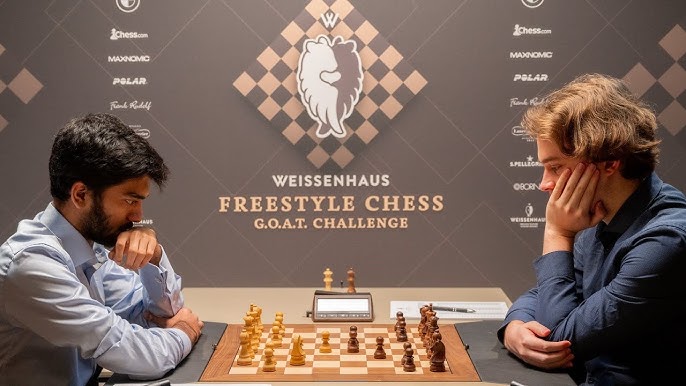
The Paris Freestyle Rapid tournament is a prestigious event in the chess calendar, drawing attention from players and enthusiasts worldwide. This tournament holds significant importance as it showcases rapid-format chess, where each player has limited time to make their moves, resulting in an exhilarating and dynamic competition. The rapid format not only tests the players’ strategic skills and knowledge but also their ability to think quickly and adapt under pressure.
Held in the vibrant city of Paris, this tournament attracts top-tier talent from across the globe, creating a thrilling atmosphere filled with excitement and anticipation. The blend of a lively audience and intense matches contributes to a unique ambiance that elevates the experience for both participants and spectators alike. The venue, often strategically selected for its historic significance and accessibility, adds to the overall charm of the event, further highlighting chess as not only a game of intellect but also a cultural phenomenon.
During this tournament, players engage in numerous rounds, competing against opponents of various skill levels. The rapid time controls – typically involving 15 minutes per player with a possible increment – challenge the competitors to balance the execution of deep strategic plans against the urgency of swift decision-making. These factors combine to make the Paris Freestyle Rapid not just a competition of skill, but a captivating spectacle, where every move can yield significant consequences.
It is within this electrifying framework that Gukesh displayed an exceptional performance during the tournament, achieving back-to-back wins that elevated his status in the chess world. His outstanding accomplishments serve as a testament not only to his talent but also to the rigorous nature of chess tournaments like the Paris Freestyle Rapid.
Gukesh’s Journey to Victory: A Brief Background
Gukesh D is an emerging star in the world of chess, known for his impressive ability to navigate complex positions and outmaneuver seasoned opponents. Born in 2006 in Chennai, India, Gukesh is often lauded for his exceptional talent and dedication to the game. His journey began at a young age when he started playing chess with his mother, developing a passion that would lead him to become one of the youngest Grandmasters in history. Achieving this title at just 12 years and 7 months, Gukesh quickly established himself as a formidable force within the chess community.
His rise in the chess rankings can be attributed to a combination of rigorous training and participation in international competitions. Gukesh has participated in numerous tournaments, consistently showcasing his capabilities against higher-ranked players. Notably, he has clinched victories in prestigious events such as the World Youth Chess Championship and various Grandmaster tournaments, further solidifying his reputation. Through hard work, Gukesh has steadily increased his Elo rating, making him one of the top players in India and globally recognized among prodigious talents.
What sets Gukesh apart is not merely his technical skills but also his strategic mind. His training regimen emphasizes both tactical drills and psychological preparation. Working closely with his coaches, he addresses different aspects of the game, focusing on endgame strategies and opening preparations that can be pivotal during competitions. Gukesh’s performance in the chess circuit has made him an intimidating opponent, capable of handling pressure and performing extraordinarily even in crucial moments, as evidenced by his recent victories in the Paris Freestyle Rapid tournament. His commitment to excellence forebodes exciting developments in his evolving chess career.
Round 8: Gukesh vs. Keymer – A Recap
In the pivotal eighth round of the Paris Freestyle Rapid event, Gukesh faced off against German prodigy Vincent Keymer. This highly anticipated clash highlighted Gukesh’s strategic prowess and ability to leverage his position effectively, culminating in a well-deserved victory. Playing with the white pieces, Gukesh opened the game with the Sicilian Defense, a choice that immediately set the tone for a dynamic encounter.
As the game progressed, Gukesh made several notable moves that illustrated his deep understanding of chess. Utilizing the Sicilian Defense, he aimed to create imbalanced positions, which could offer him tactical chances. One of the critical moments arose in the middle game when Gukesh executed a knight maneuver that not only centralized his control but also threatened Keymer’s queen. This pivotal move forced Keymer to make defensive adjustments, ultimately leading to a significant initiative for Gukesh.
The endgame showcased Gukesh’s exceptional technique. As pieces traded off, it became clear that Gukesh was not only playing offensively but also reinforcing his king’s safety. A decisive moment emerged when Gukesh transitioned into a favorable endgame with a material advantage, effectively turning the match in his favor. Keymer, although displaying resilience throughout, found it increasingly difficult to counter Gukesh’s tactical threats and positional dominance.
By the time the endgame approached, Gukesh’s grasp on the board was evident as he executed a series of precise moves that cornered Keymer’s king. Ultimately, Gukesh’s ability to manage the complexities of the game, coupled with strategic foresight, propelled him to victory in this round. His performance in this match further underscored his talent and determination, positioning him strongly in the tournament standings.
Key Moves and Strategies Utilized
During his recent match against Keymer in the Paris Freestyle Rapid tournament, Gukesh displayed a commanding understanding of chess that was evident through his well-calibrated strategies. One of the most crucial elements of his success was his mastery of opening theory. Gukesh employed the Sicilian Defense, a robust choice that enables Black to counterattack while also presenting White with complex challenges. This strategic choice set the tone for the match, allowing Gukesh to dictate the game dynamics early on.
Following the opening, Gukesh showcased impressive middle game tactics that further demonstrated his tactical awareness and creativity. His capacity to calculate potential variations and permutations allowed him to seize opportunities that arose during the game. Notably, Gukesh managed to create imbalances on the board, which are often pivotal in establishing one’s dominance. His ability to identify tactical motifs, such as forks and pins, translated into precise moves that disrupted Keymer’s development. This phase of the game highlighted Gukesh’s capability to transition smoothly from opening principles to advanced middle game strategies.
As the game progressed towards the endgame, Gukesh’s techniques shone through as he displayed a profound understanding of positional advantages. He utilized his pieces effectively, maintaining centralized control, which is crucial for endgame efficiency. Gukesh’s decision-making process during this phase revolved around simplifying the position by exchanging pieces, ultimately guiding him to a favorable pawn structure. His careful calculation of material balance and piece coordination allowed him to convert a slight advantage into a decisive victory, demonstrating not just his tactical finesse but also his strategic foresight.
The Psychological Edge: Gukesh’s Mental Game
In the realm of competitive chess, mental strength is often as critical as technical proficiency. Gukesh D is a prime example of how psychological fortitude plays a pivotal role, especially in high-stakes environments like the Paris Freestyle Rapid tournament. This event, characterized by its intense pressure and fierce competition, showcased not only Gukesh’s stunning technical skills but also his exceptional mental resilience.
One of the core aspects of Gukesh’s mental game is his ability to maintain focus amidst distractions. The tournament setting, filled with enthusiastic spectators and formidable opponents, could easily lead to anxiety. However, Gukesh has developed techniques to harness this pressure into a driving force. His unwavering concentration allows him to engage fully with the chessboard, opting for strategic moves rather than succumbing to momentary lapses in judgment. This focus is accompanied by a comprehensive pre-game routine, including visualization and relaxation exercises, that sets the stage for optimal performance.
Moreover, Gukesh’s mindset during matches further enhances his competitive edge. He embraces challenges as opportunities for growth rather than threats. When faced with tough opponents, he remains unflustered and approaches each game with a calculated attitude. This perspective fosters a sense of confidence that radiates through his gameplay, enabling him to execute complex strategies with clarity and precision. His ability to compartmentalize emotions and decisions proves crucial, allowing him to deal with the highs and lows that come with each match.
In conclusion, Gukesh’s exceptional performance in the Paris Freestyle Rapid not only highlights his chess skills but also underscores the significance of mental resilience in achieving success. By mastering focus, maintaining a growth-oriented mindset, and effectively handling pressure, Gukesh exemplifies how psychological strength is a vital component in the journey of a chess champion.
Impact of the Wooden Chess Set: A Talk on Tradition
The wooden chess set holds a significant place in the world of chess, serving not only as a functional game piece but also as a representation of the rich tradition surrounding this ancient game. Wooden chess boards and pieces are often seen as embodiments of craftsmanship and art, reflecting the dedication of artisans who meticulously create these items. Each set tells a story, rich in cultural heritage, symbolizing not just the game itself but also the values and history associated with chess.
The aesthetic appeal of wooden chess sets cannot be overstated. The natural grains, textures, and finishes bring a sense of warmth and authenticity that plastic or synthetic materials simply cannot replicate. Players often find that the tactile experience of moving wooden pieces across a finely crafted board enhances their connection to the game. This connection is deeply rooted in the traditions of chess and is cherished by players and enthusiasts alike. The elegance of a wooden chess setencourages a level of dedication and respect for the game that aligns with the strategic depth of chess itself.
Moreover, the craftsmanship that goes into making these wooden chess sets plays a vital role in preserving the cultural significance of chess. Skilled artisans devote time and effort into creating not only functional pieces but masterpieces that can be displayed and treasured for generations. This attention to detail helps maintain the historical and cultural narratives embedded within chess, transmitting values of patience, strategy, and respect from one generation to the next. The enduring presence of wooden chess setsat tournaments such as the Paris Freestyle Rapid further illustrates their integral role in the chess community, highlighting the seamless blend of tradition and modernity that characterizes this timeless game.
The Road Ahead: Gukesh’s Future in Chess Tournaments
Gukesh D. has recently garnered significant attention within the chess community, particularly following his impressive performance in the Paris Freestyle Rapid tournament. With back-to-back victories under his belt, Gukesh not only solidifies his status as a formidable player but also sets a promising trajectory for future competitions. As he advances in his chess career, the upcoming tournaments will be pivotal in defining his legacy in the chess world.
Looking ahead, Gukesh is expected to participate in several prestigious events, including the Grand Prix series and international championships. These tournaments represent not just opportunities for winning titles but also critical platforms for further honing his skills against elite opponents. With such a young age advantage, Gukesh has the potential to face challenges that can significantly elevate his ranking and experience on the global stage.
In terms of personal goals, Gukesh likely aims to achieve the title of chess world champion, a feat that demands both physical and mental resilience. Success in past competitions instills confidence, and this motivation could be a driving force in his preparations for future events. Collaborating closely with experienced coaches and leveraging analytical technologies to study his gameplay will also play a key role in his strategic development.
As he navigates his chess journey, Gukesh’s recent successes may serve as watershed moments that influence his career path, including sponsorship opportunities and partnerships with leading chess organizations. The increased visibility following his triumph will likely attract more attention from sponsors and media outlets, further solidifying his position as a rising star in the chess realm.
Ultimately, Gukesh’s remarkable performances in recent tournaments lay a strong foundation for a bright future. The path ahead promises a myriad of opportunities that could propel him to new heights in the competitive landscape of chess, and it will be captivating to witness how his journey unfolds in the coming years.
Gukesh’s Inspirations and Influences in Chess
Gukesh D, the prodigious young chess player from India, has made significant strides in the world of chess at a tender age. His journey has been shaped by a unique amalgamation of influences, mentors, and experiences that have provided him with the foundation for his remarkable talent. Among the notable chess figures he admires, the legendary world champions Magnus Carlsen and Viswanathan Anand stand out. Both have profoundly impacted Gukesh’s understanding of the game, inspiring him to elevate his play and adopt various strategies that they exemplify.
The mentorship he has received plays a crucial role in shaping his approach to chess. Coaches and established players have guided him through critical phases of his growth, allowing him to absorb knowledge and refine his tactics. These mentors have not only assisted in honing his technical abilities but have also instilled in him the importance of resilience and strategic thinking. Under their guidance, Gukesh has learned to analyze games meticulously and develop a deep understanding of positions—a skill that sets him apart from his peers in the chess community.
Moreover, Gukesh’s travel experiences have been instrumental in broadening his perspectives on chess. Participating in international tournaments has exposed him to diverse styles of play and methods of thinking that differ from his own, providing him with a more holistic view of the game. Such interactions with various cultures and players have enriched his chess journey, allowing him to adapt his strategies and embrace new challenges. This blend of admiration for chess giants, invaluable mentorship, and global exposure has not only inspired Gukesh but has also positioned him as a formidable player on the international chess stage.
Conclusion: Celebrating Gukesh’s Achievements
In reflecting on Gukesh’s remarkable performance at the Paris Freestyle Rapid tournament, it’s essential to acknowledge the significance of his back-to-back victories, which not only affirm his prodigious talent but also set a benchmark for emerging chess talents globally. Gukesh’s gameplay exhibited a sophisticated understanding of rapid chess dynamics, showcasing his ability to remain calm under pressure and outmaneuver some of the strongest competitors in the field. His victories, marked by strategic ingenuity and tactical precision, have left an indelible mark on the tournament, contributing to the growing excitement around his chess career.
The implications of Gukesh’s achievements extend far beyond personal accolades; they inspire a new generation of chess enthusiasts, encouraging them to pursue excellence in the sport. His journey serves as a motivational testament, illustrating that dedication and hard work can lead to remarkable outcomes, even at a young age. Gukesh’s competitive spirit and unwavering focus have captivated audiences and fellow chess players alike, generating a ripple effect of interest in the game. As chess continues to garner influence across diverse platforms and attract younger followers, Gukesh embodies the potential for future brilliance in the sport.
Looking ahead, the excitement surrounding Gukesh’s chess career is palpable. As he continues to compete at high levels, chess enthusiasts are eager to witness how he cultivates his skills and advances within the global chess community. His impressive achievements not only highlight his current status but also signal the promising trajectory that lies ahead. Gukesh’s success story serves as a reminder of the enduring appeal of chess, its ability to unite people, and the remarkable journeys that individuals can embark upon within this intellectually demanding sport.
The London System is a chess opening that has gained considerable popularity among players of all skill levels, from novices to seasoned grandmasters. Its origins can be traced back to the early 20th century, gaining prominence due to its solid and versatile nature. The opening is characterized by a specific pawn structure, primarily defined by the setup of pawns on d4 and e5, alongside well-coordinated piece development. This fundamental pawn structure is not only resilient but also allows for a variety of attacking possibilities and strategic maneuvers.
What makes the London System particularly appealing is its simplicity and ease of learning. Players can quickly familiarize themselves with the essential moves and ideas without delving deeply into extensive opening theory. This accessibility attracts beginners who seek to develop their skills while providing a sturdy foundation for later advancement in their chess journey. At the same time, the richness of opportunities available in this system captivates more experienced players who appreciate the strategic depth it offers.
The London System embodies a flexible playing style that can adapt to various opponent responses, allowing players to transpose into favorable positions. Commonly, the typical setup involves the minor pieces being developed to f3 and d2, alongside the deployment of the light-squared bishop on f4. This configuration not only emphasizes strong control of the center but also targets potential weaknesses in the opponent’s camp. Many players enjoy utilizing this opening due to its solid reputation, making it a reliable choice in tournament situations or casual games alike.
In conclusion, the London System stands out as a highly regarded opening that combines simplicity with strategic depth. Its appealing traits—such as accessibility for beginners, solid pawn structure, and tactical richness—make it an enduring favorite in the chess community.
Basic Moves and Setup
The London System is a versatile opening characterized by a solid setup that can be employed against a variety of responses from Black. The foundational move involves advancing the pawn to d4, which is typically followed by the development of the dark-squared bishop to f4. The move 1.d4 not only controls the center but also creates opportunities for piece coordination that can lead to favorable middlegame positions.
Following 1.d4, White often plays 2.Nf3 and 3.e3, establishing a robust pawn structure with pawns on d4 and e3. This setup is particularly advantageous as it provides a reliable defense against aggressive counterplay by Black. By positioning the light-squared bishop on f4 early in the game, White can apply pressure on Black’s position while simultaneously preparing to develop other pieces harmoniously. The solid pawn structure embedded in the London System makes it challenging for opponents to launch effective attacks, allowing White to maintain positional control.
Responding to typical moves from Black, such as …d5 or …Nf6, requires adaptability. For example, if Black plays 1…d5, White can reinforce the center with c3, followed by a quick development of pieces. The flexibility of the London System allows players to respond dynamically to varying challenges posed by Black, maintaining the original setup while adapting to the flow of the game.
Overall, the London System exemplifies a strategic approach that favors solid pawn structures and effective piece coordination. By adhering to these basic moves and setups, players can navigate the complexities of the opening and lead themselves into thriving middlegame scenarios rich with potential for both tactical and positional play. This method encourages a deep understanding of piece placement and structure, which are vital for success in chess.
Strategic Themes and Plans
The London System, celebrated for its flexibility, empowers players to execute a variety of strategic themes and plans that can adapt to any opponent’s response. Central to the London System is the establishment of a resilient pawn structure, typically characterized by the pawns on d4 and e4. The early pawn move to c3 serves a dual purpose: it fortifies the center and prepares for future advances, notably e4. This pawn formation not only provides a solid foundation but also plays a crucial role in controlling key squares on the board.
In the middlegame, players employing the London System often aim to advance their pawns effectively. The strategy involves thoughtful calculation regarding pawn breaks and piece positioning. Specifically, maneuvering the knight to f3 and developing the dark-squared bishop to f4 or g5 can yield advantageous piece play and control over the center. These piece arrangements allow players to maintain pressure on their opponent while preparing for potential attacks. Furthermore, establishing a stronghold on the e-file becomes pivotal, providing a line for rooks to penetrate the opponent’s defenses.
The tactical opportunities available in the London System extend into the endgame as well. Players familiar with this system often find themselves better positioned to capitalize on pawn weaknesses or imbalances. However, caution is warranted, as certain pitfalls may arise if a player becomes overly ambitious with pawn advances. Understanding the typical scenarios that emerge from the London opening can aid players in identifying these dangers. By observing common tactics and being aware of the opponent’s counterplay, players can navigate the complexities of the game more effectively. The London System not only thrives on solid strategic planning but also reinforces the importance of adaptability in achieving victory.
Famous Games and Players Utilizing the London System
The London System has been a favored opening strategy among numerous chess grandmasters and enthusiasts, garnering a reputation for its solid structure and versatility. Notable players such as Viktor Korchnoi, Garry Kasparov, and more recently, Magnus Carlsen, have incorporated the London System into their tournament repertoire, demonstrating its effectiveness at the highest levels of play.
One of the standout games featuring the London System was Korchnoi’s clash against Boris Spassky in the Candidates Tournament in 1977. Korchnoi’s adept use of the wooden chess pieces showcased a well-executed development scheme, where he efficiently built his center and created pressure against his opponent, ultimately securing victory. This game exemplifies how controlling the center and enhancing piece activity play vital roles in this opening, reinforcing its strategic potential.
Another significant encounter is the match between Garry Kasparov and Veselin Topalov in 1999. Kasparov expertly navigated a complex position arising from the London System, showcasing his deep understanding of pawn structures while tactically outmaneuvering Topalov. Through such authoritative performances, players can appreciate how maintaining a strong pawn formation can lead to dynamic play, particularly when employing the London System.
For amateur players aiming to incorporate the London System into their games, there are key takeaways from these famous encounters. Firstly, focusing on solid development and central control is crucial. Utilize your pawns effectively to restrict your opponent’s options while creating avenues for your pieces. Secondly, always be mindful of the tactical possibilities that arise through seemingly ordinary placements, as demonstrated by top players. By studying these legendary games, amateur enthusiasts can glean insights into the intricate strategies within the London System and enhance their own approach to wooden chess.
Divya Deshmukh, a prominent figure in the chess world, has captured the attention of enthusiasts and professionals alike with her remarkable talent and strategic prowess. Hailing from India, Divya’s journey in chess began at a young age, where her early exposure to the game allowed her to develop a solid foundation. Her dedication and passion for chess have propelled her through various tournaments, making her a recognized name in competitive circles.
As a young female chess player, Divya represents a wave of emerging talent that is essential for the growth of the sport, particularly in women’s chess. Her participation in national and international events has not only honed her skills but has also placed her in the spotlight as a contender worthy of attention. Divya’s adept use of both wooden chess pieces and sophisticated strategies on the wooden chessboard reflects her commitment to the game’s legacy, as well as her potential to influence future generations of players.
The Pune FIDE Women’s Grand Prix marked a significant milestone in her career, showcasing not only her proficiency but also her ability to thrive under pressure. Her recent victories at this prestigious event have further solidified her status as a rising star in the realm of luxury chess. Each match played has been a testament to her skill and determination, inspiring many aspiring players to pursue excellence in their own chess journeys.
Divya’s achievements resonate beyond her personal success; they highlight the growing opportunities and recognition for female chess players. As she continues to navigate the complexities of the game, her story serves as a beacon of hope and motivation for many, illustrating that with perseverance and dedication, remarkable heights can be reached in the world of chess.
Overview of FIDE Women’s Grand Prix in Pune
The FIDE Women’s Grand Prix is a pivotal event on the women’s chess calendar, designed to showcase the talents of the world’s most skilled female players. This tournament format combines classical chess with a series of individual tournaments, contributing to an overall ranking that influences qualification for the Women’s Candidates Tournament. The Grand Prix is not just a competition; it serves as a critical platform for players to gain invaluable experience and enhance their standings within the global chess community.
In the 2023 edition held in Pune, India, participants included some of the elite figures in women’s chess, all vying for not only points but also the prestigious title associated with the Grand Prix. Players such as Grandmaster Hou Yifan and the highly-regarded Tan Zhongyi brought significant acclaim to the event. Each match was a testament to complex strategies and skillful maneuvers, ensuring that spectators and participants alike experienced a stimulating atmosphere. This particular Grand Prix also featured rising stars, who demonstrated their potential in this competitive environment, further exemplifying the depth of talent present.
The significance of the FIDE Women’s Grand Prix transcends merely winning titles; it is a fixture that fosters competition among the best. The event draws attention from chess enthusiasts worldwide, further elevating the profile of women in chess. The presence of an exceptional lineup, featuring both seasoned veterans and ambitious newcomers, guaranteed a rich narrative and exciting games throughout the tournament. As the pieces were maneuvered on the beautifully crafted wooden chessboard, the air was palpable with anticipation, making it a notable chapter in women’s chess history.
Divya’s Remarkable Victory Over Salome Melia
In the intense environment of the Pune FIDE Women’s Grand Prix, Divya Deshmukh faced off against Salome Melia in a match that highlighted her exceptional chess skills and strategic acumen. As the game progressed, it became evident that Divya was well-prepared, demonstrating both an understanding of the chessboard dynamics and a mastery of psychological tactics inherent in competitive play.
From the outset, Divya established her intent with a controlled opening. She opted for a classic pawn structure that would gradually enhance her position while limiting Melia’s options. The initial moves were critical in setting the pace for the game, with Divya skillfully developing her pieces. By employing a combination of aggressive positioning and solid defense, she laid the groundwork for a strong mid-game.
A significant turning point occurred when Divya executed a remarkable bishop maneuver that forced Melia to make defensive moves rather than pursue her offensive strategy. This pivotal moment exemplified Divya’s ability to anticipate her opponent’s reactions and capitalize on them. Her use of the wooden chess pieces to create threats while maintaining pressure created openings that were not easily exploitable for Melia.
As the match progressed, the psychological dynamic became increasingly evident. Divya maintained a calm demeanor, which likely contributed to Melia’s growing frustration. Each carefully calculated move was accompanied by a focus on the endgame, illustrating Divya’s foresight and composure under stress. In the end, her ability to execute a well-timed exchange effectively sealed the victory, showcasing the importance of both tactical and psychological strategies in high-stakes chess competitions.
This victory not only emphasized Divya’s prowess with her wooden chess pieces but also established her as a formidable contender in the realm of luxury chess. Her performance against Melia was a testament to her dedication, showcasing how a blend of skill, strategy, and mental fortitude can lead to success at the highest levels of the game.
The Significance of Her Win Against Melia
Divya Deshmukh’s recent victory over Melia at the Pune FIDE Women’s Grand Prix not only showcases her skill as a chess player but also carries broader implications for her career in the highly competitive realm of chess. This win marks a significant milestone in Divya’s journey, enhancing her ranking in the FIDE ratings, which is a crucial metric for players aspiring to make their mark in the chess community. The outcome of this match is expected to bolster her confidence, as each triumph reinforces her belief in her abilities, allowing her to approach future competitions with renewed energy and determination.
In the chess world, victories against formidable opponents resonate significantly among peers and enthusiasts alike. Having secured a win against a player of Melia’s caliber, Divya effectively positions herself among the elite women chess players globally. This shift in her standing can lead to increased recognition and potential invitations to high-stakes tournaments, which are often accompanied by substantial incentives. Not only does this win enhance her exposure to larger audiences, but it also opens doors for sponsorship and opportunities in the luxury chess market, where wooden chessboards and wooden chess pieces often symbolize elegance and status.
The motivational aspect of this victory cannot be understated. As Divya looks toward her future competitions, the energy derived from this win will likely serve as a driving force in her preparation and strategy. It is essential to maintain momentum; each victory builds a psychological advantage, making her an intimidating opponent on the chessboard. Furthermore, her journey serves as an inspiration for aspiring chess players, particularly women, showcasing how determination and perseverance can lead to success. As Divya continues to rise through the ranks, her accomplishments will surely encourage others to pursue excellence in the game of chess.
Divya’s Stunning Triumph Over Vaishali
Divya Deshmukh’s match against Vaishali was nothing short of a masterclass in chess strategy and execution, marking a significant moment in her professional career. The atmosphere was charged with anticipation as both players faced off on the wooden chessboard, where each piece symbolized not just a strategy, but also hours of preparation and dedication. Divya opened the game with a solid e4 move, which led to a Sicilian Defense from Vaishali, a choice known for its dynamic possibilities.
Throughout the match, Divya demonstrated remarkable flexibility and deep understanding of the positions that arose. After establishing her pieces on central squares, she quietly built an impenetrable fortress. Vaishali’s attempts to gain counterplay were met with astute counter-moves from Divya, who navigated the complexities with precision. The tension escalated when both players entered a mid-game where tactical skirmishes became inevitable. Here, Divya’s intuitive sense for the right moment to transition from defense to offense highlighted her improving capabilities.
One of the critical turning points came when Divya sacrificed a pawn to enable an aggressive advancement for her rook and subsequent infiltration into Vaishali’s camp. This tactical decision showcased not only Divya’s growing prowess but also her adaptability in high-pressure situations. As the game progressed towards the final stages, the wooden chess pieces danced across the board, each move calculated with care. In a climactic finish, Divya managed to capitalize on an oversight from Vaishali, leading to a powerful checkmate that concluded the match. This victory was more than just a win; it was a statement of her intent on the luxury chess stage, showcasing her potential to become a formidable player in future tournaments.
Comparative Analysis of Both Victories
Divya Deshmukh’s recent triumphs at the Pune FIDE Women’s Grand Prix showcase her remarkable adaptability and strategic acumen in the realm of luxury chess. Each victory was not only a testament to her skill but also highlighted the contrasting playing styles of her opponents: Melia and Vaishali. Understanding these differences reveals how Divya tailored her gameplay to effectively counter each adversary.
In her first match against Melia, a player known for her aggressive tactics and creativity, Divya demonstrated an impressive ability to remain calm under pressure. Melia’s initial moves were robust, aiming to seize control of the board quickly through her distinctive opening strategies. However, Divya’s response showcased her extensive knowledge of traditional chess theories and flexibility in deploying her wooden chess pieces. By focusing on positional stability rather than engaging in tactical skirmishes, she successfully neutralized Melia’s threats, transitioning into a more dynamic endgame that led to her victory.
Conversely, her bout with Vaishali exemplified a different challenge. Vaishali, renowned for her methodical approach and deep understanding of chess principles, forced Divya to adopt a more aggressive stance. Here, Divya took advantage of Vaishali’s slower pace, producing clever maneuvers that leveraged her wooden chessboard’s layout. This strategic shift allowed her to create opportunities for advancement while disrupting Vaishali’s carefully laid plans. The contrast in approaches between the two matches highlights Divya’s ability to modify her strategy according to the demands of the situation, a quality intrinsic to achieving success in high-stakes tournaments like the Grand Prix.
The essence of Divya’s adaptability is evident in these victories, underscoring the impact of knowing one’s opponents and employing strategic diversity in luxury chess. Each win not only contributes to her growing reputation but also emphasizes the need for flexibility in competitive play.
Divya Deshmukh’s Chess Style and Techniques
Divya Deshmukh has captivated chess enthusiasts with her distinctive style and strategic thinking, which have significantly contributed to her success in recent tournaments, including the Pune FIDE Women’s Grand Prix. A key aspect of her approach lies in her versatility, allowing her to adapt her tactics based on her opponents and the flow of the game. This adaptability is essential in the world of chess, where one must navigate the complexities presented by the moves of the adversary while maintaining focus on one’s own game plan.
One prominent feature of Deshmukh’s play is her meticulous opening repertoire. Whether she chooses to utilize classical openings or experiments with less common lines, her strategic choice often involves a deep understanding of the underlying principles of each position. This keen insight enables her to steer the game into territories where she feels most comfortable, often resulting in advantageous positions against her competitors. Furthermore, her ability to analyze their strategies through the lens of her openings highlights her competitive edge. When paired with her wooden chess pieces on a finely crafted wooden chessboard, she approaches the game with both aesthetic appreciation and tactical acumen.
In addition to her openings, Deshmukh’s endgame techniques are noteworthy. She often demonstrates a remarkable capability to simplify complex positions and acculturates to her opponents’ weaknesses. Her decision-making in high-pressure situations has also shown considerable maturity, suggesting that she possesses not only technical skills but also the psychological fortitude necessary for success at high levels of competition. As she continues to refine her playing style, her current performances foreshadow a bright future in the realm of luxury chess. The combination of her technical proficiency and innovative strategies places her in a uniquely advantageous position as she pursues further victories on the chessboard.
A Resilient Path Ahead: Challenges and Goals
As Divya Deshmukh embarks on her advanced chess career following her impressive performances at the Pune FIDE Women’s Grand Prix, she is poised to face a multitude of challenges that accompany the transition to heightened competition levels. The chess world is vast, with numerous upcoming tournaments that will test her skill, strategy, and mental resilience, especially against seasoned opponents who may have years of competitive experience. Navigating this environment will require a disciplined approach to both her training and game strategy.
One of the most significant challenges for Divya will be maintaining her competitive edge while continually evolving her tactics on a wooden chessboard. The game of chess is ever-changing, and remaining adaptable is crucial. She will need to closely analyze her opponents’ strengths and weaknesses, which may involve extensive study of various chess openings, endgames, and strategies, utilizing not only traditional resources but also modern chess studying tools and mentorship from seasoned professionals.
Divya’s goals encompass refining her gameplay and participating in more prestigious events, including international competitions where luxury chess sets will likely be showcased. Such platforms provide exposure and the opportunity to encounter diverse playing styles. Committing to a rigorous training regimen, which may involve daily practice sessions with wooden chess pieces, will enhance her skills further. Building mental fortitude will also play a pivotal role in her journey. The psychological aspects of competitive chess, such as managing pressure and sustaining concentration throughout long matches, cannot be overstated.
By acknowledging these challenges and thoughtfully setting her goals, Divya is establishing a resilient path ahead in the chess world. Her commitment to continuous improvement and mental strength will undoubtedly contribute to her achievements as she pursues excellence in future chess tournaments.
Conclusion: The Future of Divya Deshmukh
Divya Deshmukh has certainly made a remarkable impact in the realm of chess, particularly noted through her recent triumphs at the Pune FIDE Women’s Grand Prix. Over the course of this prestigious tournament, she exhibited not only strategic prowess but also an admirable resilience which is essential in high-stakes competitions. As she continues to hone her skills, her trajectory seems to suggest a promising future where she may become a leading figure in women’s chess.
The way Divya successfully navigated her matches against formidable opponents, while solidifying her standing among tournament participants, indicates her potential to rise in the chess world ranks. As she transitions from a promising young talent to a more established player, the support from chess enthusiasts and mentors will be vital. The fusion of her talent and the backing of the chess community may propel her towards greater milestones, allowing her to compete not just locally but on international stages.
Moreover, as the demand for luxury chess sets continues to grow, fueled by increased interest in chess due to high-profile matches, players like Divya will become central figures inspiring a new generation of chess enthusiasts. With elegantly crafted wooden chessboards and intricately designed wooden chess pieces gaining popularity, the art and sport of chess are set to thrive. Following Divya Deshmukh’s journey as she navigates the complexities of a professional chess career will not only be exciting for her supporters but also essential in understanding the evolving landscape of competitive chess.
Ultimately, as she continues to pursue excellence, her story serves as a reminder of the vast potential within the realm of women’s chess and the importance of recognizing and nurturing emerging talents. Keeping an eye on her future endeavors will undoubtedly prove to be rewarding.