Posted on Leave a comment

Ebonised Wood vs. Ebony Wood Chess Pieces: What’s the Difference and Which Should You Choose?
Introduction to Chess Piece Materials

The selection of materials for chess pieces plays a critical role in both the aesthetic appeal and functional performance of the game. When players and collectors consider the design of chess pieces, they often seek a harmonious balance between beauty and utility. Among various materials, ebonised wood and ebony wood have emerged as two of the most sought-after options. Their distinctive characteristics and visual allure make them highly valued by chess enthusiasts.

Ebonised wood, a material created by staining lighter woods to achieve a dark finish, not only mimics the luxurious appearance of ebony but also offers an economical alternative. This type of wood presents a striking visual contrast, especially when combined with lighter pieces made from contrasting materials. Its durability and performance are widely regarded, making it a practical choice for both casual play and serious competitions. The rich, dark hue of ebonised wood enhances the overall aesthetic of the chess set, creating an impression of sophistication. Furthermore, it allows for customization, enabling manufacturers to create unique designs that cater to individual tastes.

On the other hand, ebony wood is a naturally occurring substance valued for its density and rich, dark coloration. The appeal of ebony lies in its inherent beauty and structural integrity. It is often selected for premium chess sets due to its weight and luscious finish, which contribute to an overall sense of quality and craftsmanship. While the costs associated with ebony wood can be significantly higher than those for ebonised wood, many enthusiasts consider it a worthwhile investment for its unique properties and heritage.

As we explore the differences between ebonised wood and ebony wood chess pieces, it becomes evident that both materials offer unique advantages. Choosing between the two depends largely on personal preferences regarding aesthetics, budget, and intended use.
What is Ebony Wood?

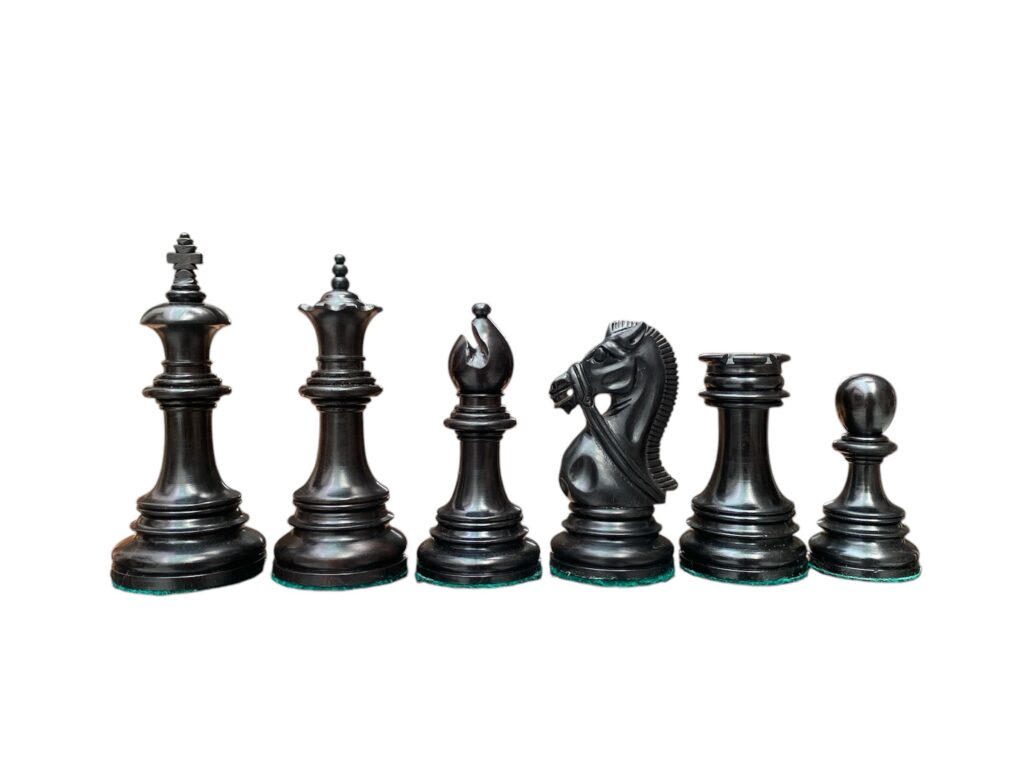
Ebony wood, renowned for its deep, rich coloration and tight grain, is a hardwood derived primarily from the genus Diospyros. This tree species is predominantly found in tropical regions, notably in Africa, Asia, and parts of Central America. One of the most sought-after varieties is Gabon ebony, originating from West Africa, which is particularly prized for its dense black hue and smooth texture. The wood is characterized by a fine, even grain, which often features subtle streaks of brown or gray, further enhancing its visual appeal.

One of the remarkable properties of ebony wood is its weight; this type of wood is notably dense, often making it heavier than many other hardwoods. This density not only contributes to its durability but also provides an impressive heft to chess pieces, which is vital for stability during play. Ebony’s exceptional hardness ensures that it withstands the rigors of use over time while retaining its aesthetic allure. Its natural oily composition enhances its luster, making ebony a preferred material for luxury items and fine art, including chess pieces.

The rarity of ebony wood significantly contributes to its high value in the market. As overharvesting and habitat loss have reduced the number of mature ebony trees, it has become increasingly difficult to source this material sustainably. Consequently, the demand for genuine ebony wood, especially in the realm of chess piece manufacturing, has risen, making quality ebony chess sets highly coveted among enthusiasts. The inherent beauty and unique characteristics of ebony wood not only elevate the craftsmanship of chess pieces but also ensure that they remain cherished collectibles for generations.
Understanding Ebonised Wood

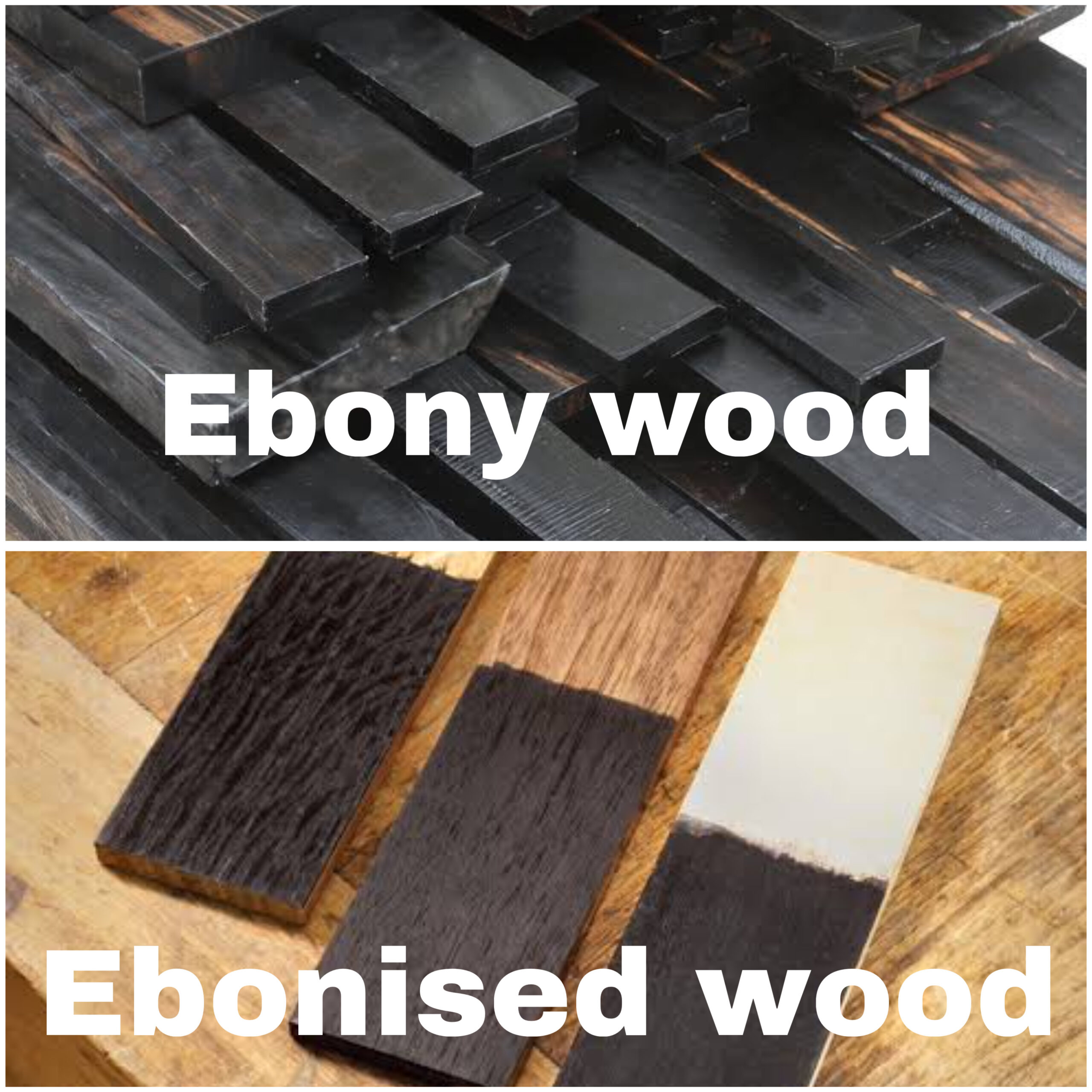
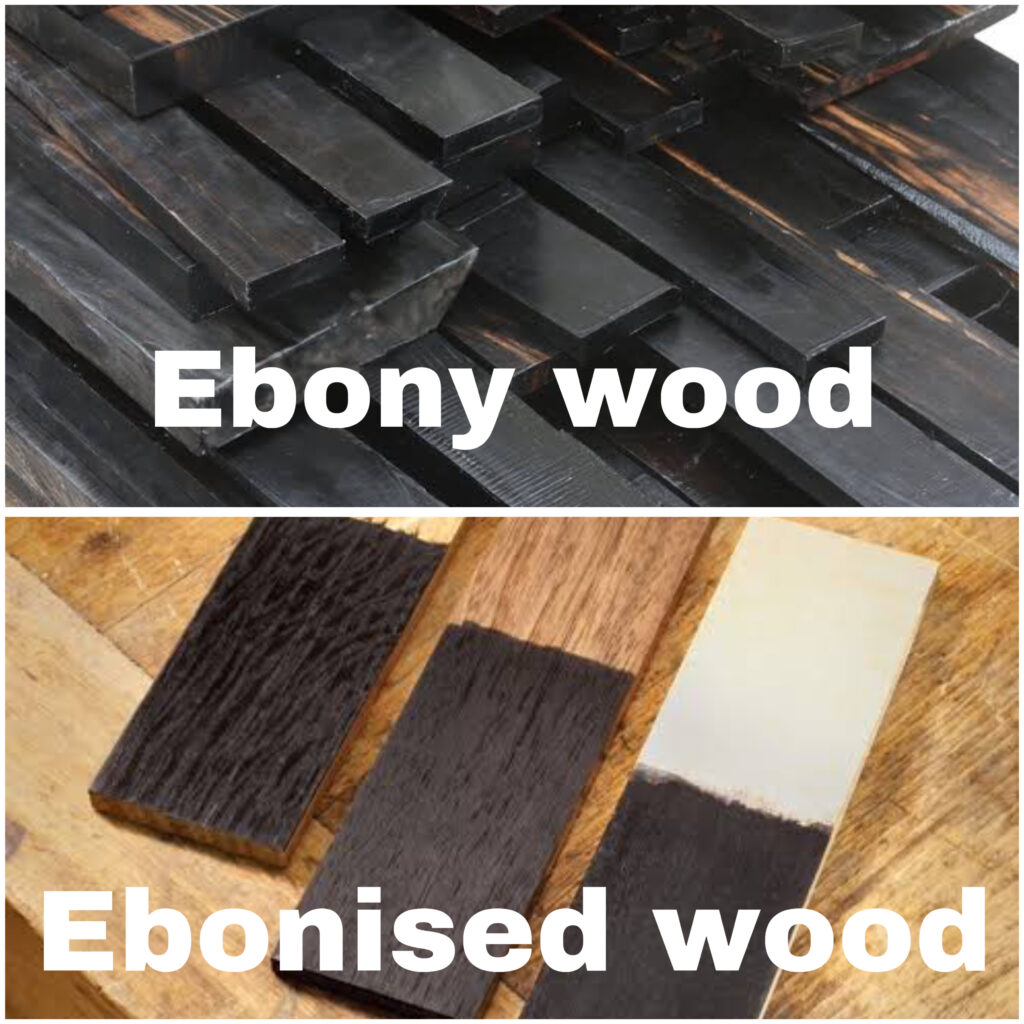
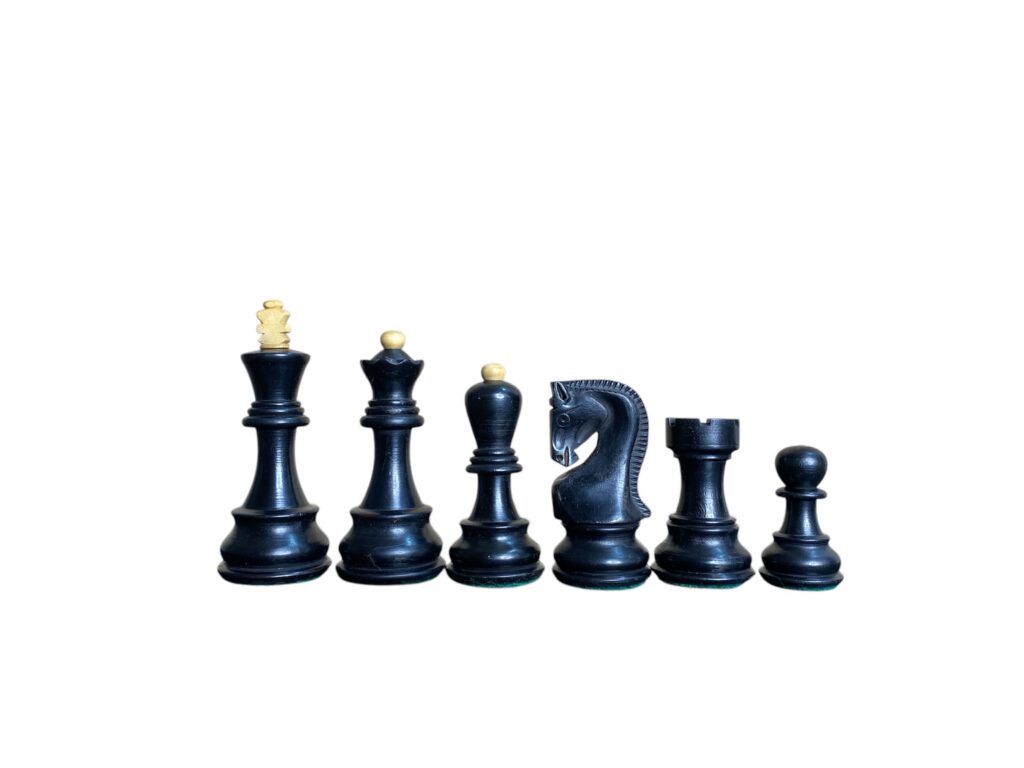
Ebonised wood is a term used to describe wood that has been treated to achieve a dark, ebony-like color, which mimics the appearance of natural ebony wood. The process of ebonising involves applying a stain or finish to lighter varieties of wood, converting their hue to a dark ebony shade. Common woods that undergo this transformation include oak, beech, and maple, as they are readily available and typically more affordable than genuine ebony. One of the primary techniques used for ebonising wood is to treat it with an iron acetate solution, which reacts with the natural tannins present in the wood. This results in a rich black coloration that can enhance the aesthetic appeal of the final product.

In addition to staining, other techniques may be employed in the ebonising process to achieve a specific finish. For instance, achieving a glossy surface often requires sanding and polishing, while ensuring a protective topcoat is applied adds durability. This treatment not only imparts the visual qualities of ebony but also makes the wood more resistant to wear and tear, which is particularly beneficial in the manufacture of chess pieces that are frequently handled. Ebonised wood offers benefits such as lightweight and stability, making it an excellent choice for crafting chess sets that are both attractive and functional.

Furthermore, ebonised wood can provide a sustainable alternative to natural ebony when created from responsibly sourced materials. As concerns over the environmental impact of high demand for exotic woods grow, many artisans and manufacturers have begun emphasizing the use of ebonised wood to create a visually similar yet more accessible option for chess enthusiasts and collectors. The balance between aesthetics and practicality presents ebonised wood as a viable choice in the world of chess pieces.

Comparative Analysis: Ebonised Wood vs. Ebony Wood

The distinction between ebonised wood and ebony wood is essential for chess enthusiasts when selecting pieces for gameplay. Both materials have unique qualities that cater to different preferences and budgetary considerations. Ebonised wood, primarily constructed from lighter woods and treated with a dark finish, is often more affordable compared to its solid ebony counterpart, which is a rare hardwood known for its rich, dark coloration and luxurious feel.

Appearance plays a significant role in the decision-making process. Ebonised wood products can mimic the aesthetic appeal of ebony wood closely; however, the depth and texture of true ebony are unparalleled. The solid wood has a natural grain that adds character and sophistication to chess pieces, while ebonised wood, despite its darker hue, may lack the same depth and intrinsic beauty. This factor is particularly important for collectors or those who appreciate the finer details in their chess sets.

Durability is another critical aspect to consider. Ebony wood is renowned for its density and resilience, making it a long-lasting option for chess pieces that can withstand frequent use. Ebonised wood, while relatively durable, may experience wear over time, especially if the finish starts to chip or fade. Maintenance requirements also differ between the two materials. Ebony wood typically requires periodic polishing and careful handling to preserve its natural beauty, while ebonised wood can be easier to maintain with simple cleaning methods. However, the longevity of ebonised wood pieces may not match that of solid ebony.

In conclusion, the choice between ebonised wood and ebony wood largely depends on individual preferences regarding budget, appearance, durability, and maintenance. Evaluating these factors can help players and collectors make informed decisions about their chess piece selection.

Which Chess Pieces Should You Choose?

When it comes to selecting between ebonised wood and ebony wood chess pieces, your decision largely hinges on individual player preferences and circumstances. Various factors must be taken into account to ensure that the final choice aligns with both aesthetic desires and practical needs.

One primary consideration is your budget. Ebonised wood chess pieces typically offer a more affordable option compared to their ebony counterparts. Ebonised pieces, often made from lighter woods that have been stained to resemble ebony, can provide similar visual appeal at a fraction of the cost. For new players or those on a tight budget, ebonised wood may present the most sensible solution, as it allows for the enjoyment of a fine chess set without exorbitant expenses.

Aesthetic preferences also play a crucial role in this decision. Ebony wood is renowned for its rich, deep color and unique grain patterns, making it a stunning complement to any chess collection. If visual elegance, craftsmanship, and a luxurious feel are top priorities, investing in a set of ebony wood chess pieces could prove more satisfying in the long run.

Usage frequency should also influence your choice. If the chess pieces are primarily intended for regular, vigorous gameplay, ebonised wood might better withstand the rigors of frequent use while retaining their appearance. Alternatively, if the pieces are for display or special occasions, the enduring beauty of ebony could justify their purchase despite the higher cost.

Ultimately, choosing between ebonised wood and ebony wood chess pieces involves weighing budget constraints, aesthetic values, and practical requirements. An informed decision will enhance your enjoyment and investment in the game of chess.

The Craftsmanship of Boss Handicraft

When it comes to premium chess pieces, Boss Handicraft stands out as a reputable manufacturer known for its exceptional craftsmanship in producing both ebonised wood and ebony wood chess pieces. Established with a vision to create finely detailed and aesthetically pleasing chess sets, Boss Handicraft utilizes high-quality materials and traditional techniques that have been passed down through generations. Their commitment to excellence is evident in every piece they produce.

One of the defining features of Boss Handicraft’s offerings is the meticulous attention to detail. Each chess piece is crafted with precision, ensuring that the design reflects not only classical aesthetics but also modern sensibilities. The artisans at Boss Handicraft invest significant time and effort into carving, shaping, and finishing each piece, resulting in a product that appeals to both casual players and serious collectors alike. Remarkably, whether made from ebonised wood or natural ebony, the pieces exhibit a beautiful finish that enhances the inherent qualities of the wood.

Furthermore, Boss Handicraft employs a combination of traditional woodworking techniques and modern technology, allowing them to maintain high standards of quality throughout the production process. The balance and weight of each chess piece are carefully considered, ensuring a satisfying tactile experience during gameplay. Additionally, the brand prioritizes sustainability, sourcing their woods responsibly to contribute to ecological conservation efforts.

Ultimately, choosing chess pieces from Boss Handicraft means investing in a blend of artistry and utility. The dedication to fine craftsmanship and quality assurance ensures that each chess set is not just a game but a lifelong companion for enthusiasts. As you consider whether to opt for ebonised wood or ebony wood chess pieces, the heritage and dedication of Boss Handicraft should undoubtedly influence your choice.

Testimonials from Chess Enthusiasts

In the world of chess, player preferences can greatly vary based on personal experiences with different materials used in their chess pieces. An avid chess player named Robert, who has been competing for over a decade, shares his thoughts on ebonised wood versus ebony. He states, “When I first started playing, I was drawn to the sleek appearance of ebonised wood chess pieces. They have a modern aesthetic that truly enhances the visual appeal of the board. However, upon trying ebony pieces, I was captivated by their rich, natural finish. They feel sturdier and offer a classic presence during gameplay.”

Another enthusiastic chess player, Emma, compares the performance aspects of both types of pieces. “Although my first set was ebonised wood, transitioning to ebony was an eye-opener,” she mentions. “The weight distribution and overall craftsmanship of ebony pieces are exceptional. I appreciate how each piece feels balanced in my hand, contributing to a more enjoyable playing experience.” Emma’s sentiments highlight how the tactile feel of the chess pieces can influence gameplay, something that many players might overlook.

Lastly, a frequent tournament participant, James, elaborates on the longevity aspect of both variations. He notes, “Ebonised wood certainly has its appeal, particularly for those who prefer a less formal look, but I have found that ebony pieces, with proper care, last significantly longer. They don’t chip or wear as easily. For someone invested in chess, the choice boils down to whether aesthetic or durability is more important.”

The testimonies from these chess enthusiasts underscore the diverse experiences available with both ebonised wood and ebony wood chess pieces. While aesthetics, performance, and durability vary among players, these qualities ultimately help individuals determine which type aligns more closely with their personal preferences in the game of chess.

Where to Buy Ebonised and Ebony Chess Pieces

When it comes to purchasing Ebonised and Ebony wood chess pieces, choosing a reputable retailer is essential for ensuring quality and authenticity. One of the most recommended outlets for acquiring these finely crafted chess pieces is Boss Handicraft. This retailer specializes in high-quality chess sets made from various materials, including both ebonised and authentic ebony wood. Their extensive collection caters to both casual players and collectors, making it a reliable source for anyone seeking beautiful and durable pieces.

While exploring the options at Boss Handicraft, potential buyers should keep a few key factors in mind. First, consider the type of chess pieces that will best suit your needs. Ebonised pieces are often more affordable and offer a similar aesthetic appeal to ebony wood, but they may not carry the same weight or depth of color as genuine ebony. Conversely, ebony pieces provide a luxurious feel and exceptional durability, attracting avid chess enthusiasts and collectors, but at a higher price point.

Additionally, pay attention to the craftsmanship of the chess pieces. Look for detailed descriptions and images that showcase the carving and finishing processes, as well as any unique features that may be included. Before making a purchase, it is wise to read customer reviews and assess their experiences with the quality and delivery services of the retailer.

In summary, for high-quality ebonised and ebony wood chess pieces, Boss Handicraft stands out as an ideal choice. By considering factors such as material, craftsmanship, and customer feedback, buyers can make informed decisions that cater to their personal preferences and budget constraints.

Conclusion: Personalizing Your Chess Experience

Choosing between ebonised wood and ebony wood chess pieces is a decision that extends beyond mere aesthetics; it involves understanding the unique properties of each material and how they align with one’s personal preferences and playing style. Ebonised wood, often more affordable and widely available, provides a stunning appearance that closely resembles the rich, dark hues of genuine ebony wood. However, it is essential to recognize that this synthetic alternative may not exhibit the same longevity or tactile warmth that one might find with authentic ebony pieces. On the other hand, ebony wood is undoubtedly prized for its exquisite density and remarkable durability, making it a superb choice for serious chess enthusiasts and collectors alike.

Moreover, the quest for the ideal chess piece often reflects individual tastes and values. Some players may prioritize sustainability, gravitating towards ebonised wood options to minimize their ecological footprint. Others may appreciate the traditional craftsmanship and unique characteristics of genuine ebony, finding joy in owning a piece that has been crafted from this esteemed material. When selecting chess pieces, consider factors such as your budget, how often you play, and whether you view chess purely as a casual pastime or a competitive engagement.

The interplay between personal preference and the qualities of the materials discussed ultimately shapes your chess experience. By thoroughly evaluating your options, you not only enhance your enjoyment of the game but also invest in chess pieces that resonate with your aesthetic sensibilities. Whichever path you choose, ensuring that your chess pieces align with your preferences will create a richer and more satisfying playing experience, enhancing both enjoyment and strategy on the board.
Posted on Leave a comment

The Timeless Appeal of Wooden Chess Sets in Tournaments

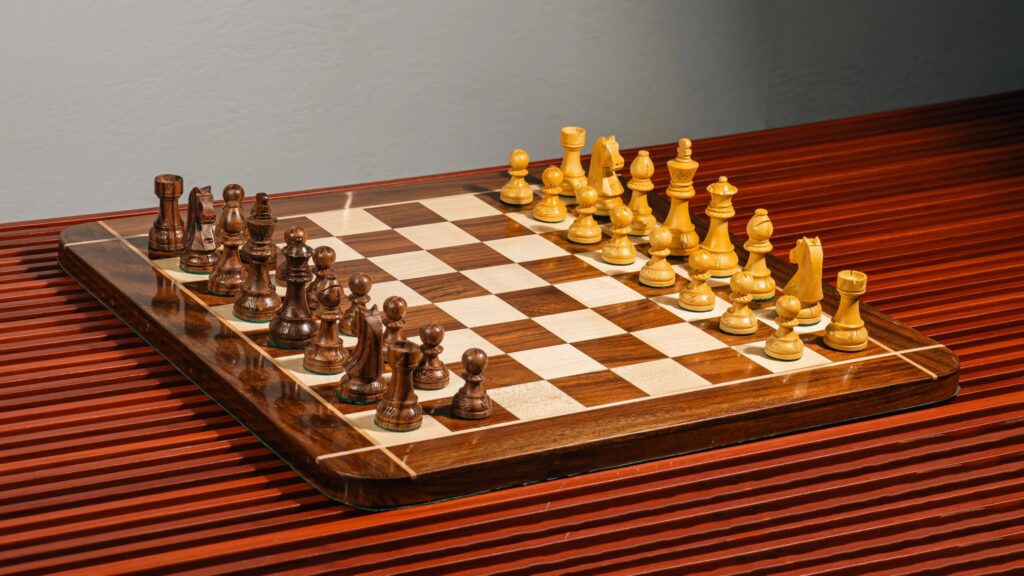
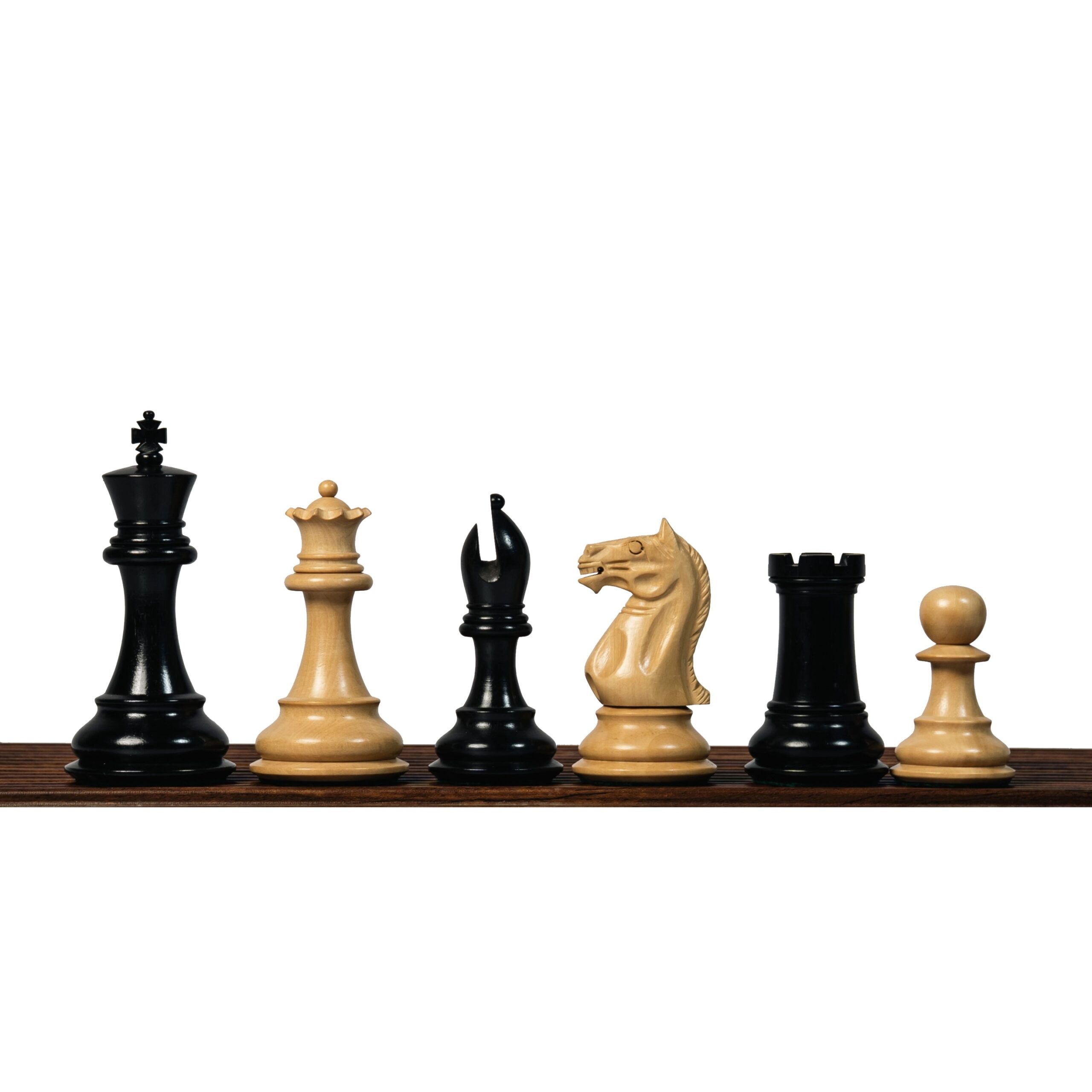
4" Fierce Knight Staunton ebony triple weighted chess pieces, premium wooden Staunton chess pieces for luxury chess sets by bosshandicrafts

A Brief History of Chess and Its Materials

The game of chess has a rich and varied history that dates back over a millennium, with origins tracing back to the 6th century CE in northern India. Known as Chaturanga, it was a strategic war game that was later transmitted to Persia, where it became known as Shāh, meaning “king.” As chess spread across the globe through trade and conquest, its pieces were made from various materials, including ivory, metal, and glass, reflecting the resources available in different cultures.

Throughout its evolution, the materials used in chess sets have gradually changed, shaped by the evolving aesthetics and practical considerations of players. However, the transition from the luxurious and often expensive materials to more accessible options saw wooden chess sets rise in prominence, particularly in competitive play. The tactile quality of wood provides a certain warmth and symmetry in contrast to artificial materials, which have become common in the modern era.

Wood has always held a special place in the hearts of chess enthusiasts. It is not merely a practical choice but a cultural symbol that embodies tradition and craftsmanship. The artistry involved in crafting wooden chess pieces can elevate the game into an experience that is both visually striking and tactilely satisfying. Numerous cultures have their distinct styles, contributing to the variety of wooden chess sets available today. For instance, the Staunton design, developed in the 19th century, remains the standard for tournament play, emphasizing the importance of wood in official contexts.

This lasting appreciation for wooden chess sets can be attributed to their aesthetic appeal, durability, and the traditional values they represent. Despite the advent of modern materials like plastic and resin, the wooden chess set remains the favored choice in formal tournament settings, signifying a blend of history and artistry that continues to be cherished by players around the world.

The Aesthetic and Tactile Benefits of Wooden Chess Sets

Wooden chess sets possess a unique aesthetic appeal that elevates the game beyond mere competition. The craftsmanship involved in creating these sets is often reflected in their intricate detailing and the quality of the materials used. High-quality wood, such as walnut or mahogany, not only adds to the visual beauty but also showcases the skilled artisanship behind the product. The elegance of a wooden chess set can be a significant factor for players participating in tournaments, as it creates an inviting atmosphere that enhances the overall experience of the game.

In terms of tactile benefits, wooden chess pieces offer a distinct feeling that plastic alternatives often fail to replicate. The weight of wooden pieces contributes to a sense of solidity and reliability that can positively affect a player’s confidence and focus during a match. When players handle these pieces, they often appreciate the smooth texture and natural grain of the wood, which varies from piece to piece. This variation adds an element of character to each set, making it unique and personal to the owner.

Moreover, the sound produced when moving wooden pieces across the board can provide sensory feedback that enriches the player’s experience. The satisfying clack of a wooden knight being placed down can create an audible connection to the game, which is often absent when using plastic pieces. As players immerse themselves in the tactile and auditory layers of engagement, they may find that their concentration improves, enabling them to perform better in competitive scenarios. This combination of aesthetic beauty and tactile satisfaction explains why many chess enthusiasts prefer wooden sets, particularly in tournament settings.

Durability and Longevity: Why Wood Stands the Test of Time

Wooden chess sets are renowned for their durability and longevity, qualities that have made them a favored choice among chess enthusiasts and tournament players alike. Unlike plastic or composite materials that can wear down and lose their appeal over time, well-cared-for wooden chess pieces can last for generations while maintaining their structural integrity and aesthetic charm. The natural properties of wood, including its sturdiness and resilience, contribute significantly to the overall lifespan of these sets, allowing them to withstand the rigors of frequent play.

When comparing wooden chess sets to those made from alternative materials, it becomes evident that wood offers a distinct advantage. For instance, plastic chess pieces, while economical, may become brittle with age or discolor due to exposure to light and heat. In contrast, high-quality hardwoods such as maple, walnut, and rosewood are less prone to these issues. These woods not only endure physical stress better but also develop a rich patina over time, enhancing their appeal and making them highly desirable among collectors.

The maintenance of wooden chess sets is an essential aspect for ensuring their durability. Regular polishing with wood-specific products can help protect the surface from scratches and moisture, preserving the quality of the finish. Additionally, players should clean the pieces gently to avoid any buildup of dirt or grime that could diminish their aesthetic. Storing wooden chess sets in a temperature-controlled environment away from direct sunlight will also prevent warping and fading. By committing to proper care and upkeep, enthusiasts can enjoy their wooden tournament sets for many years, taking full advantage of their enduring qualities.

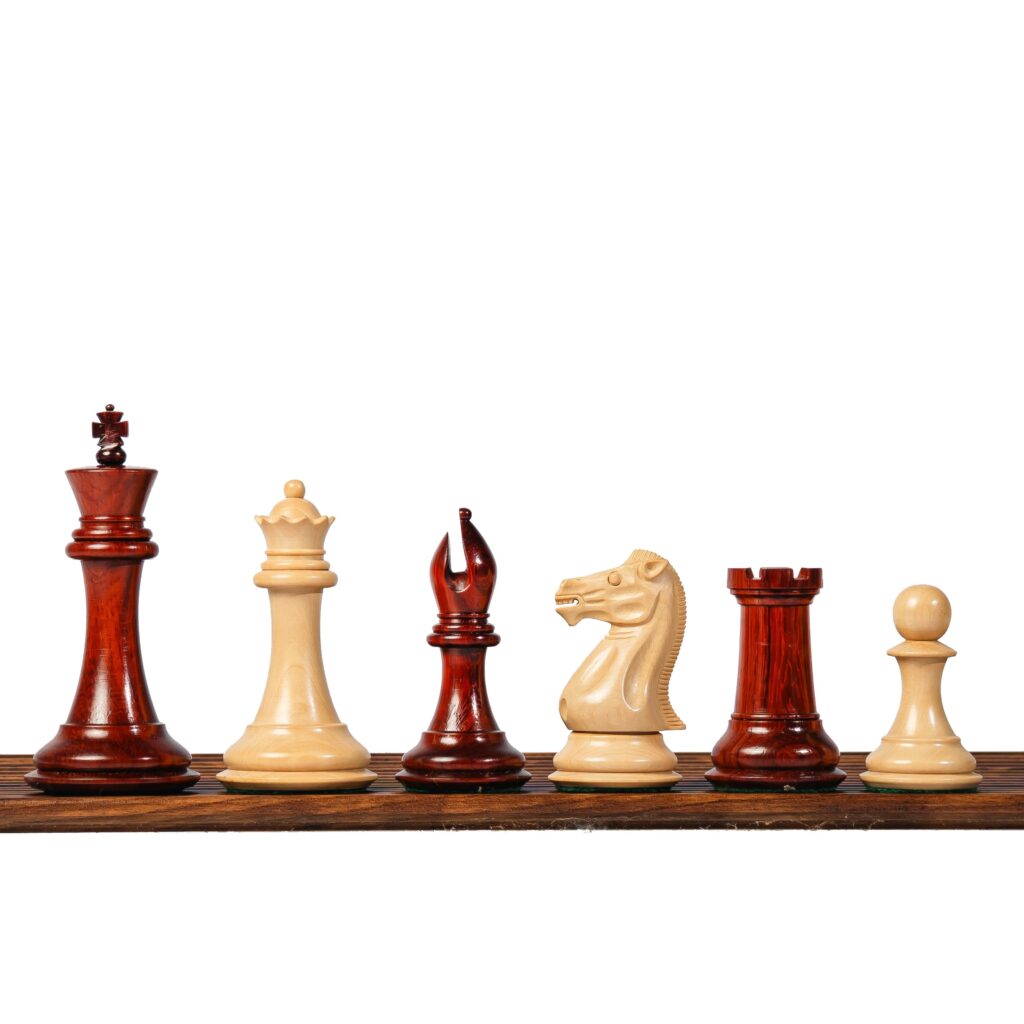
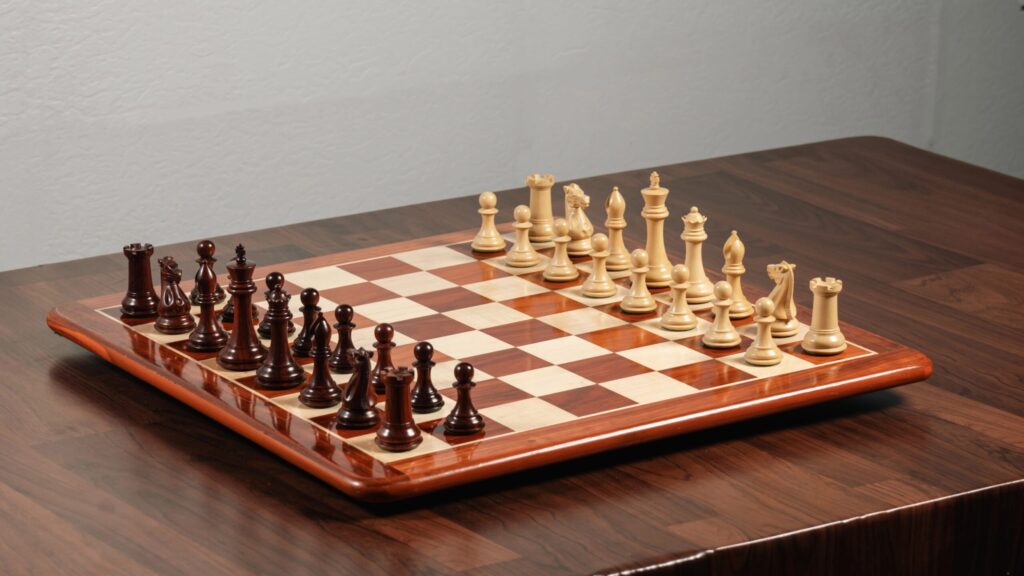
3.1 inch Royal Knight Staunton weighted chess pieces displayed on a wooden chess board, premium handcrafted tournament chess set in classic red and natural finish.

Enhancing Competitiveness: The Emotional and Psychological Aspects

The choice of chess set can have significant emotional and psychological implications for players engaged in competitive tournaments. Many players often develop a strong emotional connection to their wooden chess sets, viewing them not merely as game pieces but as extensions of their personality and strategy. The quality of materials in a wooden chess set can profoundly influence a player’s mindset, enhancing their engagement during play. The tactile nature of wood offers a satisfying experience that not only makes the game visually appealing but also elevates the player’s sense of seriousness and commitment to the competition.

Using a well-crafted wooden set can instill a sense of pride and confidence in players. Renowned chess champion Anatoly Karpov has noted, “The feel of a quality wooden set in my hands allows me to focus better. It feels more personal.” Such sentiments highlight how the material quality can enhance focus and concentration, crucial Elements for success in tournaments. When a player is comfortable and confident with their chess pieces, it can lead to better decision-making and a more strategic approach to the game.

Moreover, the rituals associated with setting up a beautifully crafted wooden chess set can act as a form of mental preparation. Players often emphasize how these rituals contribute to a calm and focused state of mind, allowing them to embrace their competitive spirit fully. The feeling of connecting with a well-made chess set can be a psychological advantage, often translating to improved performance during matches.

In testimonials, many top players emphasize their preference for wooden sets, citing not only aesthetic appeal but also the psychological benefits that accompany them. As chess continues to evolve, the enduring popularity of wooden chess sets serves as a testament to their importance not just as game pieces, but as crucial elements that enhance the overall competitive experience.

For Buy Premium and Quality Chess Click Here – https://bosshandicrafts.com/shop/

Posted on Leave a comment

Creating Happiness: A Customer’s Positive Experience with Boss Handicrafts

Listening to Our Customers

At Boss Handicrafts, we believe a happy customer is the heart of our business. Recently, we had the pleasure of serving Sanjay Bhavikatte from Mysuru, Karnataka, who provided us with valuable feedback about his experience with our chess set. Initially, Sanjay received his order but was not completely satisfied with the chess pieces. We value our customers’ opinions and decided to take swift action to rectify the situation.

Taking Initiative

Understanding the importance of customer satisfaction, we sent out a new set of beautifully carved chess pieces at no additional cost. These new pieces were specially chosen to complement the chess board that Sanjay had purchased from our website, bosshandicrafts.com Our commitment to ensuring that every customer feels valued and appreciated is at the forefront of our service philosophy.

A Happy Outcome

Once Sanjay received the new chess pieces, he shared his excitement with us, stating that his wife was particularly delighted with their exquisite design and craftsmanship. The joy and happiness expressed by Sanjay reinforced our belief that a product’s true value lies in customer satisfaction. We aim to go above and beyond to ensure our customers are happy, no matter the cost. In the end, we are not just selling products; we are creating memorable experiences.

For Buy Premium and Quality Chess Click Here – https://bosshandicrafts.com/shop/

Posted on Leave a comment

Gukesh D: The Rise of a Young Chess Champion

Introduction to Gukesh D

Toronto: Indian GM D Gukesh during his round 10 match against Russian GM Ian Nepomniachtchi (playing under FIDE flag) at the FIDE Candidates 2024 chess tournament, in Toronto, Canada, Monday, April 15, 2024. (PTI Photo via FIDE/Michal Walusza)(PTI04_16_2024_000092B)

Gukesh D, an emerging talent in the world of tournament chess, has captured the attention of chess enthusiasts globally with his remarkable achievements at a tender age. Born on May 29, 2006, in Chennai, India, Gukesh began his chess journey at the young age of just four. His early exposure to the game, influenced by his father, who played recreational chess, sparked a passion that would define his path. Under the guidance of his first chess teacher, he quickly progressed from beginner-level strategies to executing complex tactics, showcasing an innate aptitude for the game.

As a chess student, Gukesh displayed an extraordinary understanding of the rules and nuances that govern chess. His ability to grasp advanced concepts at a young age was remarkable. This fascination with the game led him to participate in numerous local and national tournaments, where he quickly became a formidable competitor. His dedication and consistent performance earned him a reputation in the chess community, and he began to capture titles and accolades well beyond his age group.

Gukesh’s rise through the ranks has been marked by a series of significant milestones. By 2019, he became the youngest ever to achieve the title of Grandmaster at the age of 12 years and 7 months, a record that brought him international attention. Furthermore, his participation in various championship events has added to his impressive resume, as he competed against established chess masters and even claimed victories against some of the best players in the world. With each tournament, Gukesh solidifies his standing as a rising star, signaling a promising future in the realm of competitive chess.

The Journey to the Top

The journey of Gukesh D, the young Indian chess champion, is one marked by remarkable achievements and a passion for the game that has driven him to the forefront of tournament chess. Gukesh began his chess education at a tender age, receiving guidance from his father and a dedicated chess teacher. His fascination with the wooden chess pieces quickly evolved into a quest for mastery, leading him to enter local and national competitions.

His first key milestone came when he won the Under-8 National Championship, establishing himself as a prodigy. By age 10, Gukesh became the youngest International Master in history, a title which he earned through a series of impressive victories. Each tournament he participated in not only honed his skills but also provided invaluable lessons about the strategic nuances of the game. One notable tournament that showcased his burgeoning talent was the World Youth Championship, where he displayed exceptional composure and tactical prowess, further solidifying his reputation in the chess community.

As he ascended the ranks, Gukesh faced tougher opponents, including seasoned chess masters. Each match served as a vital learning experience, fortifying his resolve and enhancing his understanding of complex game dynamics. His training regimen was rigorous, characterized by extensive hours spent analyzing grandmaster games, refining opening strategies, and exercising endgame techniques. Additionally, Gukesh adopted a methodical approach to his matches, emphasizing the importance of mental resilience and adaptability. This comprehensive preparation paid off as he began to secure victories against higher-rated players, ultimately earning him the title of chess master and positioning him as a formidable contender on the global stage.

Key Matches that Defined His Career

Gukesh D, an emerging prodigy in the realm of tournament chess, has captured the attention of chess enthusiasts worldwide. Several key matches have marked his journey, showcasing his tactical prowess and determination to succeed. The first significant game was against a seasoned chess master, where Gukesh employed the Sicilian Defense. This opening, known for its aggressive nature, set the tone early in the match. Gukesh’s ability to adapt and come back after a shaky start demonstrated his resilience and strategic depth. The game concluded with him executing a brilliant combination that left his opponent in despair, quickly elevating Gukesh’s status among young chess players.

Another pivotal match occurred during a high-stakes international tournament where he faced an established grandmaster. Gukesh opened with 1.e4, leading to a complex middle game characterized by both players’ tactical skirmishes. His adept use of a wooden chess set allowed for a clear visualization of the board, enabling him to execute precise moves that ultimately turned the game in his favor. The strategic depth exhibited in this match was indicative of his growth under the mentorship of a skilled chess teacher, who had emphasized the importance of tactical patterns and psychological warfare in chess.

One cannot overlook the recent match that took place against a rival, with the eyes of the chess community on their every move. Gukesh’s decision to transition to the endgame showcased not only his skill but also a maturity that belies his age. The endgame strategy, a crucial aspect of chess, underscored his training as both a chess student and a rising champion. With accurate calculations, he solidified his position and sealed the victory, marking a significant achievement in his career. These matches exemplify Gukesh’s journey, highlighting his commitment and extraordinary talent in the world of chess.

Training Regimen and Chess Philosophy

Gukesh D, a prodigious talent in the world of chess, follows a rigorous training regimen that serves as the foundation for his development as a chess master. His daily routine is meticulously structured, allowing him to balance rigorous practice with periods of rest and recovery. Typically, Gukesh devotes several hours each day to various aspects of the game, including studying opening theory, solving tactical puzzles, and analyzing games played by chess greats. This multifaceted approach not only strengthens his skills but also broadens his understanding of the game.

In preparation for tournament chess, Gukesh places a significant emphasis on reviewing his previous games and those of his opponents. This analytical practice enables him to identify potential weaknesses and formulate strategies to exploit them during competitive play. Additionally, Gukesh often engages in practice matches with his peers and experienced players, creating an environment that simulates actual tournament conditions. This method promotes adaptability and sharpens his mental acuity, essential qualities for a successful chess student.

The young chess champion’s philosophy regarding the game reflects a deep respect for chess as an art form and a science. He believes that while natural talent is an asset, consistent hard work and dedication are paramount in becoming a top-level chess master. Gukesh’s approach involves an appreciation for the intricacies of each position, coupled with a willingness to learn from defeats. His mindset is heavily influenced by his mentor and chess teacher, who has empowered him to embrace both the psychological and tactical dimensions of the game.

In conclusion, Gukesh D’s training regimen, complemented by his thoughtful chess philosophy, plays a crucial role in shaping his rising trajectory within the chess community. Through disciplined practice and strategic insight, he exemplifies the qualities necessary for navigating the competitive landscape of tournament chess.

Impact on the Chess Community

Gukesh D’s ascension in the chess world has created ripples throughout the global chess community, particularly among young and aspiring chess players. His remarkable achievements offer a beacon of hope for countless chess students dedicated to mastering the game. Gukesh’s talent has sparked increased interest in tournament chess, and his successes are a testament to what can be achieved with determination and perseverance. He represents a new generation of chess masters who are redefining the landscape of the sport.

In India, Gukesh has inspired a surge in youth engagement with chess. Many young players view him not only as a role model but also as evidence that success is possible in the competitive realm of chess. His journey from humble beginnings to the international stage serves as a motivation for chess students across the country. A fellow chess teacher remarked, “Gukesh’s achievements have made it clear that age is just a number in chess. He has motivated a whole cohort of young players to pursue their dreams.”

Globally, Gukesh’s influence extends beyond national borders. His participation in major tournaments has brought more attention to the game, attracting newcomers and seasoned players alike to engage with chess. Renowned chess expert and commentator, Tanya Sachdev, stated, “Gukesh embodies the spirit of modern chess; his strategic thinking and dedication inspire new players to elevate their game.” Such endorsements highlight how Gukesh serves as a catalyst for both participation and enthusiasm in chess.

As Gukesh continues to compete at higher levels, his impact on the chess community is undeniable. His story encapsulates hope and inspiration, encouraging young chess enthusiasts worldwide to strive for greatness in their own paths. Ultimately, the rise of this young chess champion is not merely about personal success; it is about transforming the perception of what is achievable in chess.

Challenges Faced Along the Way

Throughout his ascension in the world of tournament chess, Gukesh D encountered numerous challenges that tested his resilience and determination. The pressures of competing at a young age against seasoned chess masters posed one of the fiercest obstacles in his career. As a chess student striving for greatness, navigating high-stakes environments filled with experienced opponents forced him to adapt quickly. The intensity of competition not only tested his technical prowess on the wooden chess board but also his ability to cope with psychological stress. Each match was a lesson in mental fortitude, as he learned to manage both the expectations of his peers and the weight of his ambition.

Additionally, personal setbacks played a significant role in shaping Gukesh’s career. Injuries and travel restrictions during critical periods impacted his ability to participate in key tournaments. These instances not only challenged his physical readiness but also tested his emotional resilience. Rather than succumb to discouragement, Gukesh leveraged these obstacles as opportunities for growth. His experiences underscored the importance of maintaining a positive mindset amid adversity—a critical lesson for any aspiring chess teacher or student aiming to reach the upper echelons of the sport.

Moreover, the path to becoming a recognized figure in chess is rarely linear. Gukesh faced skepticism and doubt from various quarters, particularly when taking on older and more experienced rivals. Each challenge he faced was pivotal; it sharpened his competitive edge and secured his belief in his capabilities as a chess master. By learning to embrace challenges rather than evade them, he found ways to cultivate resilience, ultimately cementing his position as a formidable player on the international stage. These experiences illustrate the strength of character that Gukesh D has developed and the profound impact such adversities can have on a young chess champion.

Future Prospects and Goals

The ascent of Gukesh D in the chess world has been accompanied by high expectations regarding his future. Following his impressive performances leading up to and including becoming a world champion, there are numerous aspirations he may pursue. Gukesh has already demonstrated a strong commitment to both continuous improvement and competition at the highest levels of tournament chess. As he sets his sights on future championships, it is anticipated that he will participate in various prestigious tournaments, including the Candidates Tournament and the Chess Olympiad, where he can further refine his skills against the best chess players globally.

In addition to aiming for competitive success, Gukesh’s goals may extend to spreading his love for chess. His role as a chess teacher is significant; he has already inspired a new generation of chess students by mentoring them and sharing his strategies. The influence of a chess master like him can generate greater interest in the game, promoting not only the tactical aspects but also the rich history and culture surrounding wooden chess sets. Such engagement is vital in nurturing both talent and passion for chess among young enthusiasts.

Experts within the chess community have noted that Gukesh’s analytical skills, combined with his ability to embrace innovative techniques, set him apart from his peers. His future prospects in tournament chess appear bright, potentially leading to a legacy that influences the future of the game. Insights from seasoned chess commentators suggest that with focused training and participation in high-level competitions, Gukesh can establish himself as a dominant figure in chess for years to come. This aligns with his ambition to not only achieve personal accolades but to elevate the chess community as a whole.

Incorporating Technology into Chess Training

In today’s rapidly evolving chess landscape, the integration of technology into training methodologies has become increasingly significant, particularly for emerging talents such as Gukesh D. As he advances in the realm of tournament chess, Gukesh leverages various modern tools that enhance his skills and deepen his understanding of the game. This incorporation of technology not only aids him in analyzing his games but also significantly contributes to his preparation strategies against formidable opponents.

One of the cornerstones of Gukesh’s training is the use of chess engines. These sophisticated programs analyze positions, suggest optimal moves, and provide insights that are invaluable for both players and chess teachers alike. Gukesh utilizes these engines to review previous matches, allowing him to identify mistakes and understand better the intricacies of each position he encounters. By systematically evaluating his performance with the help of chess engines, Gukesh ensures that he constantly evolves as a chess master, mastering even the most intricate strategies.

Additionally, online platforms have revolutionized how chess students and enthusiasts engage with the game. Websites that host rated games, puzzles, and tutorials serve as a vital supplement to traditional chess training methods. Gukesh often plays matches against the best international players through these platforms, gaining experience in a pressure-filled environment akin to tournament settings. Furthermore, training apps designed to improve specific skills—be it tactics, endgames, or openings—allow him to streamline his practice sessions and focus on areas needing improvement.

In conclusion, the way Gukesh D incorporates technology into his chess training exemplifies a broader trend in the sport. As aspiring players and established chess masters continue to embrace these digital resources, the evolution of chess strategies and preparation will likely be marked by the integration of innovative technological tools, enhancing the richness of the game. By effectively blending traditional methods with modern advancements, Gukesh stands as a testament to the power of technology in transforming the path of a chess champion.

Conclusion

The journey of Gukesh D highlights a remarkable ascent within the realm of tournament chess, marking him as one of the youngest chess masters to gain international acclaim. His achievements resonate beyond mere personal triumphs; they symbolize the evolution of chess in the contemporary era. Through his extraordinary performances, Gukesh has managed to capture the attention of not only seasoned players and chess teachers but also aspiring chess students around the globe.

Winning prestigious tournaments and achieving notable rankings at such a young age signifies more than just individual success; it reflects the dedication and hard work that the next generation of chess players must embrace. Gukesh’s success story emphasizes the importance of focus, skills, and strategic thinking, core competencies that every chess aspirant should cultivate. Moreover, his affinity for traditional wooden chess pieces represents a bridge connecting classic principles with modern play styles, appealing to both traditionalists and newcomers alike.

As Gukesh continues to refine his abilities and expand his repertoire under the tutelage of seasoned chess coaches, he serves as a role model for many young chess enthusiasts. His journey underscores that dedication to learning and improvement can yield significant results in the competitive landscape of chess. The legacy he is building today is not simply predicated on the titles he might win or the ratings he may achieve but rather on the inspiration he instills within others. Gukesh D’s story is one of potential, determination, and an evolving chess career that many will undoubtedly look up to in the years to come.

For Premium and Quality Chess Click Here – https://bosshandicrafts.com/shop/

Posted on Leave a comment

Types of Wood & Material Used in Chess Sets: Handcrafted

Chess sets are more than just game tools; they are pieces of art, especially when handcrafted with high-quality materials. From luxurious hardwoods to modern synthetic materials, the choice of material significantly impacts the durability, aesthetics, and feel of the chess set. In this blog, we explore the different types of wood and other materials commonly used in handcrafted chess sets.

1. Traditional Woods Used in Chess Sets

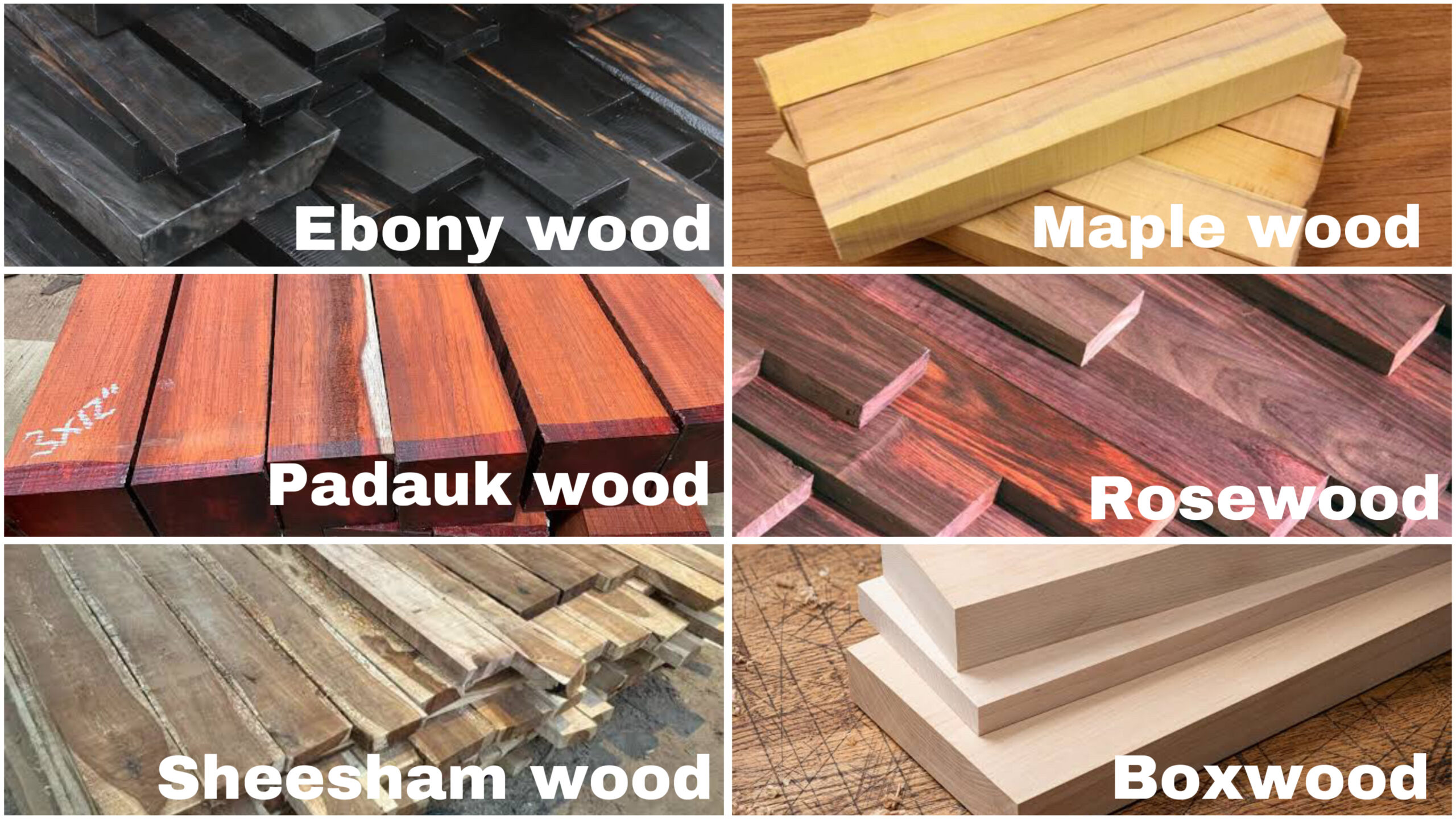
Handcrafted wooden chess sets are highly sought after for their elegance and durability. Below are some of the most commonly used woods:

Ebony

  • Characteristics: Deep black color, heavy, and smooth texture.
  • Why It’s Used: Preferred for high-end chess pieces due to its rich color and durability.
  • Common Usage: Staunton-style tournament sets, luxury chess sets.

Rosewood

  • Characteristics: Reddish-brown hue with a fine grain.
  • Why It’s Used: Offers a warm and elegant look, often used in premium sets.
  • Common Usage: Luxury and decorative chess pieces.

Boxwood

  • Characteristics: Light yellowish-brown, fine grain, lightweight.
  • Why It’s Used: Used for the white pieces in contrast with darker woods like ebony or rosewood.
  • Common Usage: Staunton chess sets, budget-friendly sets.

Sheesham (Golden Rosewood)

  • Characteristics: Golden-brown, durable, and medium-heavy.
  • Why It’s Used: Affordable and provides a natural look.
  • Common Usage: Mid-range handcrafted chess sets.

Walnut

  • Characteristics: Dark brown with beautiful grain patterns.
  • Why It’s Used: Known for its aesthetic appeal and resilience.
  • Common Usage: Chess boards, mid-range chess sets.

2. Exotic Woods for Luxury Chess Sets

Some luxury chess sets use rare and exotic woods, making them highly valuable and unique.

Padauk (Bloodwood)

  • Characteristics: Deep reddish-orange hue.
  • Why It’s Used: Adds a striking contrast and elegance.
  • Common Usage: Collector’s edition chess sets.

Maple

  • Characteristics: Light-colored, smooth grain, and lightweight.
  • Why It’s Used: Commonly used for chess boards and light-colored pieces.
  • Common Usage: Chessboards, contrasting light chess pieces.

3. Alternative Materials Used in Chess Sets

Not all handcrafted chess sets use wood; some incorporate modern materials that offer durability and affordability.

Marble & Stone

  • Characteristics: Heavy, unique patterns, and durable.
  • Why It’s Used: Ideal for decorative chess sets with a luxurious feel.
  • Common Usage: Collector’s sets, display chess sets.

Metal

  • Characteristics: Heavyweight, intricate designs.
  • Why It’s Used: Provides durability and a distinctive aesthetic appeal.
  • Common Usage: Themed chess sets, contemporary chess sets.

Resin & Composite Materials

  • Characteristics: Moldable, affordable, and available in multiple designs.
  • Why It’s Used: Ideal for budget-friendly chess sets with intricate designs.
  • Common Usage: Themed chess sets, affordable chess sets.

Conclusion

Choosing the right material for a handcrafted chess set depends on personal preference, budget, and intended use. Whether you prefer the timeless elegance of ebony and rosewood or the unique charm of marble and metal, each material brings its own character to the game. A well-crafted chess set not only enhances playability but also serves as a work of art for generations to come.

For Buy Premium and Quality Chess Click Here – https://bosshandicrafts.com/shop/