Posted on Leave a comment

How to Become a Better Chess Player

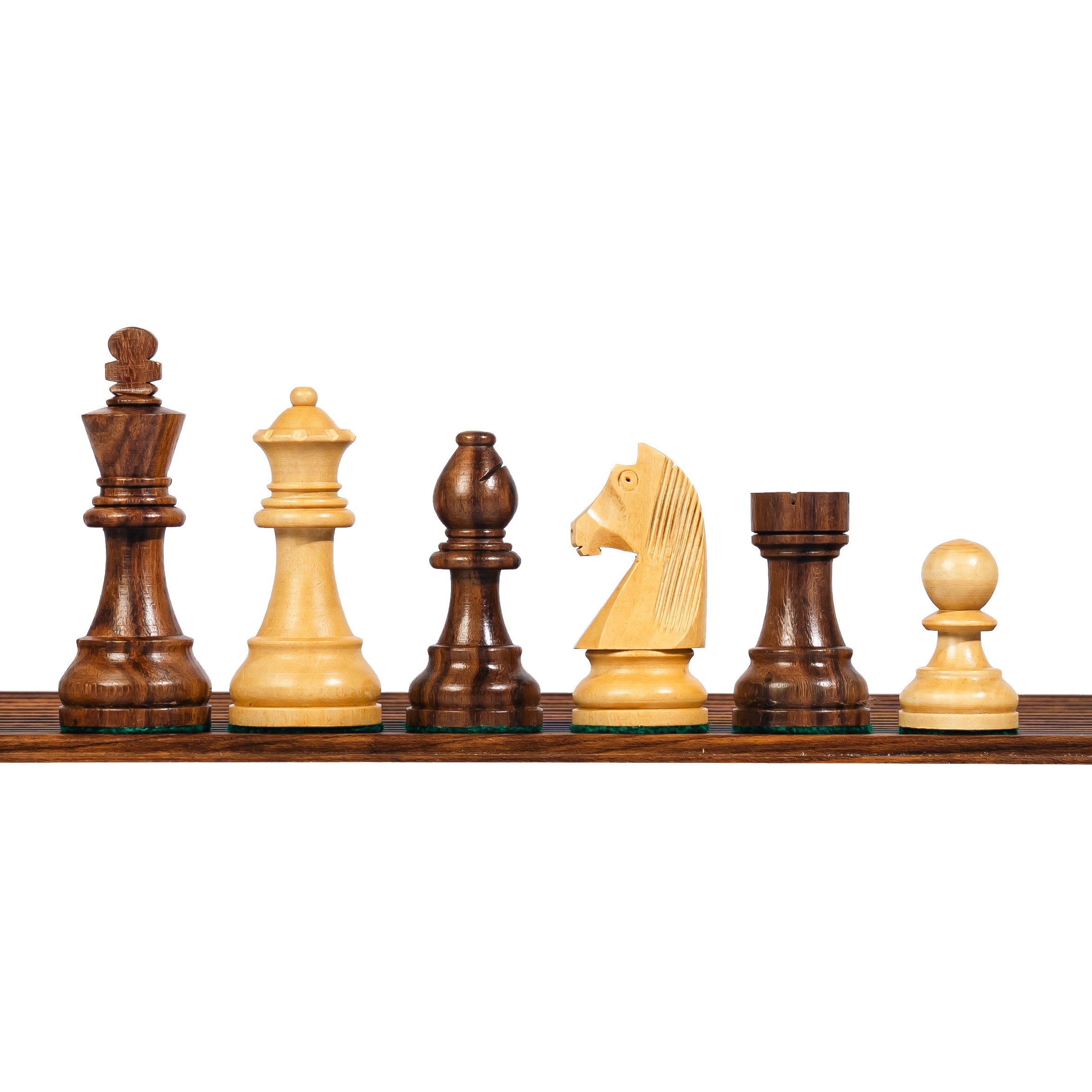
Chess is a game of strategy, patience, and continuous learning. Whether you’re a beginner or an intermediate player looking to improve, there are several key steps you can take to enhance your chess skills. This guide will outline practical strategies to elevate your game and become a better chess player.

1. Learn the Fundamentals

Before diving into advanced strategies, it’s essential to master the basics of chess. This includes:

  • Understanding the movement of each piece
  • Learning essential rules like castling, en passant, and stalemate
  • Familiarizing yourself with the value of pieces and basic checkmating patterns

2. Study Chess Openings

The opening phase of the game sets the tone for the rest of the match. Learn and practice common openings such as:

  • The Italian Game (e4 e5 Nf3 Nc6 Bc4)
  • The Sicilian Defense (e4 c5)
  • The French Defense (e4 e6)
  • The Queen’s Gambit (d4 d5 c4)

Understanding opening principles like center control, piece development, and king safety will give you a solid foundation.

3. Improve Your Tactics

Tactics play a crucial role in chess and can often decide games. Key tactical patterns to study include:

  • Forks
  • Pins
  • Skewers
  • Discovered attacks
  • Back-rank mates

Using puzzle-solving apps and books can help reinforce these patterns in real-game situations.

4. Develop a Middlegame Strategy

Beyond tactics, having a strategic plan is vital. Some important concepts to work on include:

  • Piece Activity: Ensure your pieces are active and well-coordinated.
  • Pawn Structure: Avoid weak pawns and look for strong pawn chains.
  • King Safety: Keep your king safe, often by castling early and avoiding unnecessary weaknesses.
  • Attacking and Defending: Recognize when to attack and when to consolidate your position.

5. Master the Endgame

A strong endgame can turn a close game into a victory. Some fundamental endgames to study include:

  • King and pawn vs. king
  • Opposition and zugzwang
  • Basic rook and pawn endings
  • Common checkmating patterns with a king and queen or king and rook

6. Analyze Your Games

Reviewing your past games is one of the best ways to improve. Use online analysis tools or go through your games manually to identify mistakes and missed opportunities. Understanding what went wrong and learning from errors will help refine your play.

7. Play Regularly and Challenge Yourself

Practice is key to improvement. Playing against stronger opponents, solving puzzles, and participating in tournaments will help reinforce what you learn. Consider:

  • Playing online or over-the-board (OTB) games frequently
  • Joining a chess club or community
  • Taking part in rated tournaments

8. Learn from Masters

Studying games of grandmasters and following chess commentary can provide deep insights. Watch videos, read books, or analyze famous games from players like Magnus Carlsen, Garry Kasparov, and Bobby Fischer.

9. Use Chess Software and Apps

Modern technology offers excellent tools for chess improvement. Platforms like Chess.com, Lichess, and ChessBase provide:

  • Puzzle trainers
  • Opening explorers
  • AI game analysis
  • Training exercises

10. Stay Consistent and Patient

Improvement in chess takes time and effort. Set realistic goals, track your progress, and stay patient. With consistent learning and practice, your chess skills will steadily improve.

Conclusion

Becoming a better chess player requires a combination of study, practice, and strategic thinking. By mastering the fundamentals, studying openings and tactics, analyzing games, and challenging yourself regularly, you can make steady progress. Remember, chess is a journey—enjoy the process and keep improving!

Reference-

Images from google

For Buy Premium and Quality Chess Click Here – https://bosshandicrafts.com/shop/
Posted on Leave a comment

The Timeless Elegance of Staunton Chess Pieces

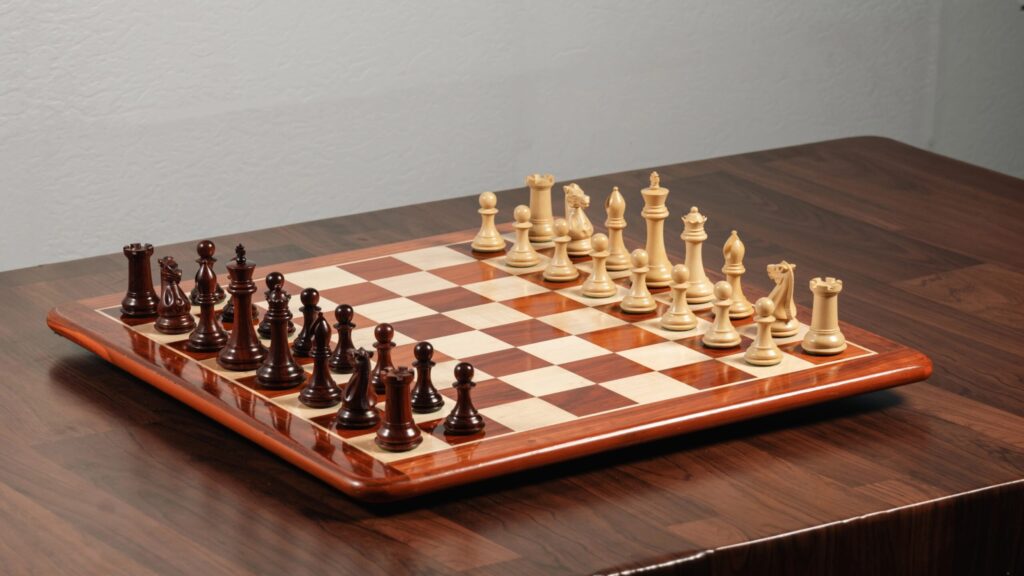
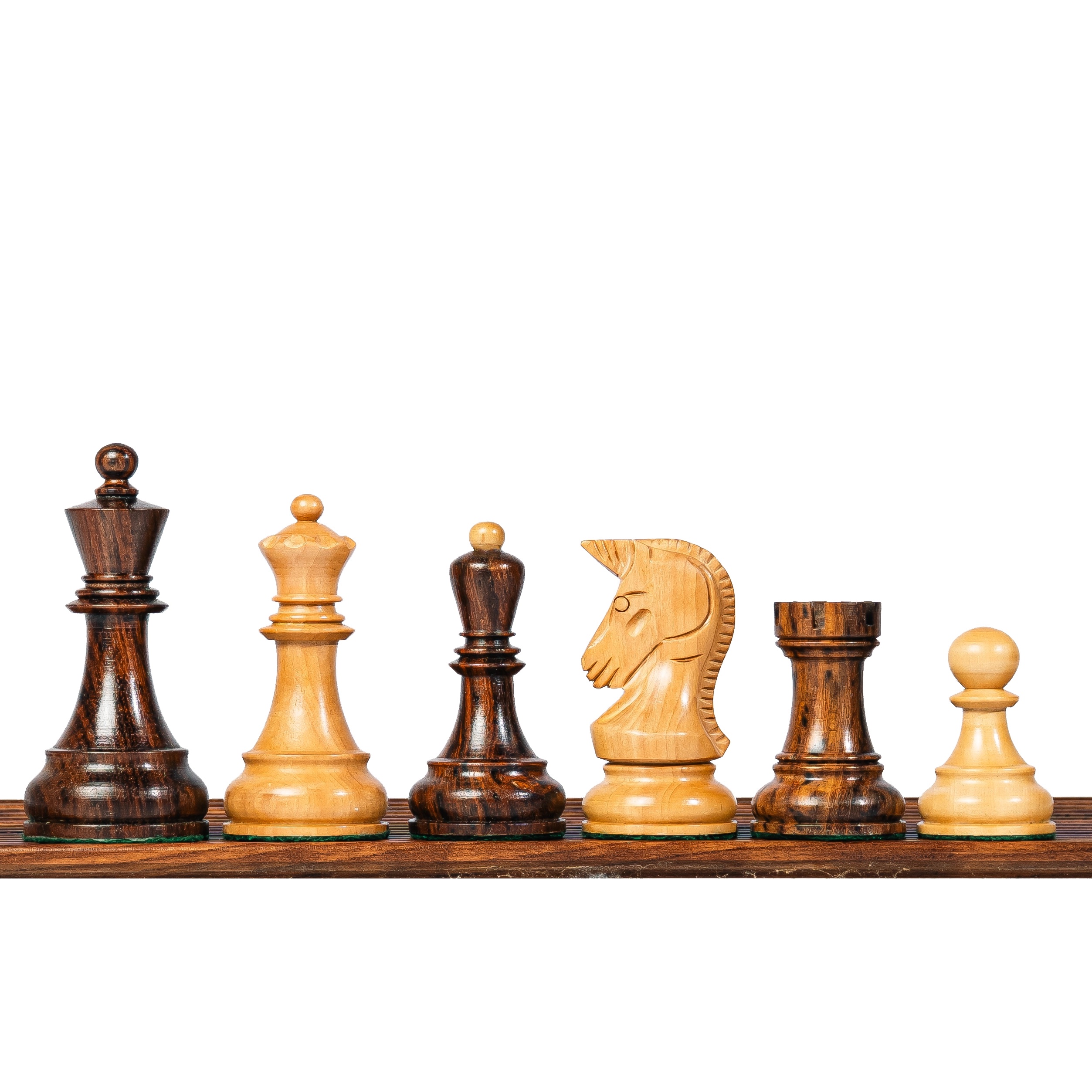
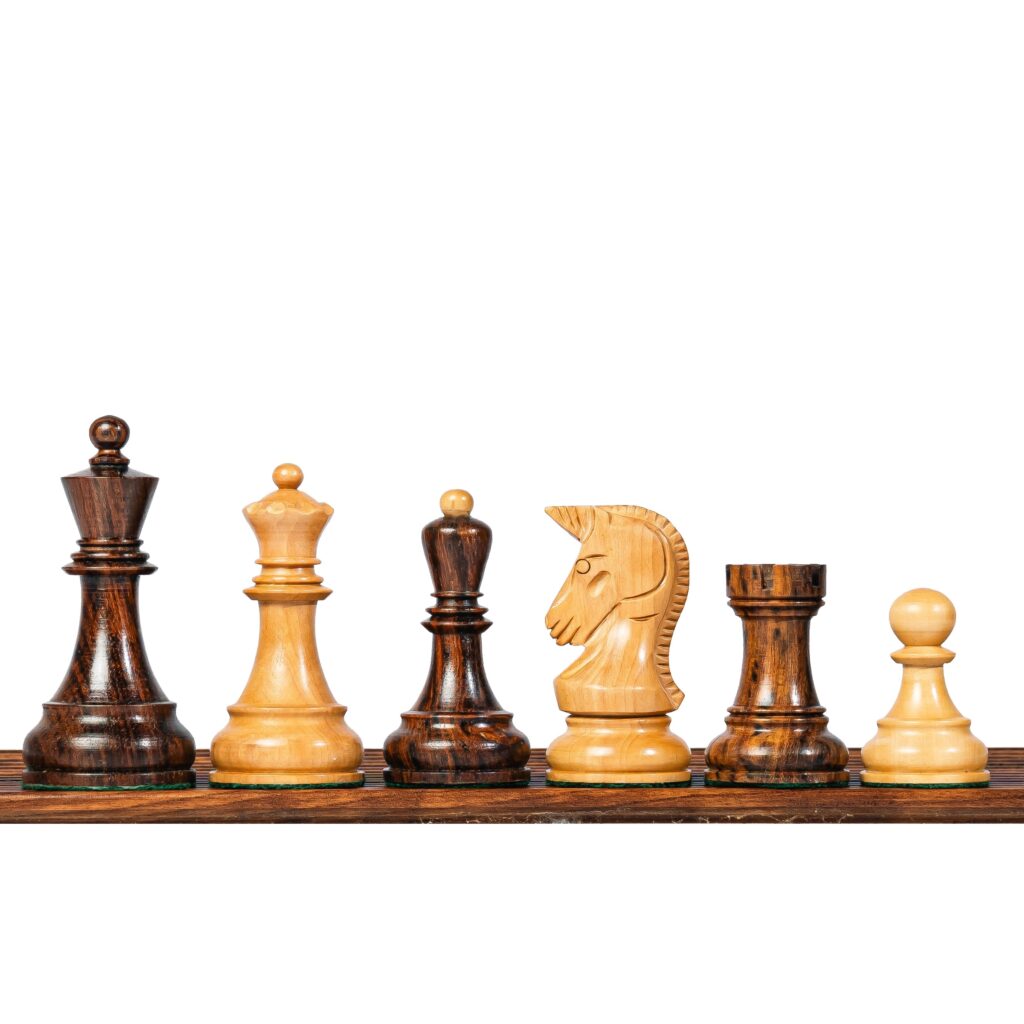
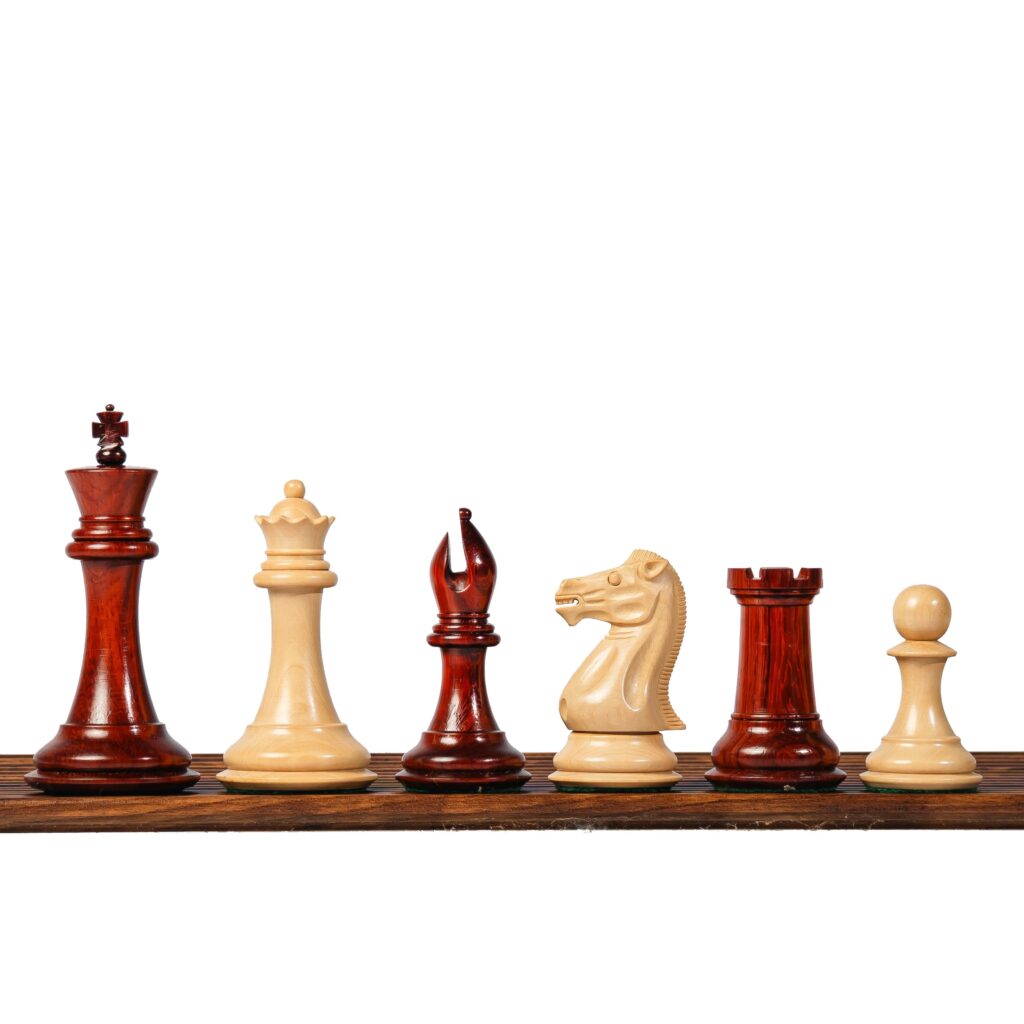
3.1 inch Royal Knight Staunton weighted chess pieces displayed on a wooden chess board, premium handcrafted tournament chess set in classic red and natural finish.

Chess has been played for centuries, but the Staunton chess pieces, introduced in the mid-19th century, revolutionized the game. Today, they remain the gold standard for tournaments and casual play alike. In this blog, we delve into the history, design, and significance of Staunton chess pieces, and why they continue to be the preferred choice for chess enthusiasts worldwide.

The Origins of Staunton Chess Pieces

Before the Staunton design was introduced, chess pieces varied widely in style, often making it difficult for players to distinguish between them. This lack of uniformity led to confusion, particularly in competitive play. Recognizing the need for a standardized design, Nathaniel Cook created what we now know as the Staunton chess pieces in 1849. He registered the design and partnered with John Jaques of London to manufacture the first sets. The pieces were endorsed by Howard Staunton, one of the leading chess players of the time, lending them credibility and widespread adoption.

Design Features of Staunton Chess Pieces

The Staunton design was groundbreaking due to its clarity, balance, and durability. Each piece was uniquely crafted for easy identification:

  • King: The tallest piece, often adorned with a cross finial.
  • Queen: Slightly shorter than the king, usually topped with a small crown or coronet.
  • Bishop: Features a slit or mitre cut, resembling a bishop’s headdress.
  • Knight: Sculpted in the shape of a horse’s head, reflecting its movement pattern.
  • Rook: Designed as a castle turret, symbolizing strength and fortification.
  • Pawn: The smallest piece, with a simple rounded head, representing the infantry.

These pieces are crafted to be both visually appealing and functional, with well-balanced bases to prevent toppling during play.

Material and Manufacturing

Staunton chess sets have been made from various materials over the years. Traditional sets are carved from high-quality woods such as ebony, boxwood, and rosewood. Luxury sets may include exotic materials like ivory or bone, while modern sets often use plastic for affordability and durability. Weighted bases with felt bottoms are common to ensure smooth movement on the board.

Staunton Chess Pieces in Competitive Play

In 1924, the World Chess Federation (FIDE) officially adopted Staunton chess pieces as the standard for all international competitions. Their clarity and ease of recognition make them ideal for fast-paced tournament play, where quick piece identification is crucial.

Why Staunton Chess Pieces Endure

The Staunton design has stood the test of time due to its elegance, practicality, and historical significance. Chess players appreciate the set’s ergonomic feel and the ease with which they can differentiate between the pieces. Collectors seek out antique Staunton sets for their craftsmanship and historical value. Even in the digital age, online chess platforms replicate the Staunton design to maintain familiarity for players worldwide.

Conclusion

The Staunton chess pieces represent a perfect blend of tradition, functionality, and artistry. Whether you’re a casual player, a serious competitor, or a collector, owning a Staunton chess set means possessing a piece of chess history. Their timeless design ensures that they will remain the benchmark for chess sets for generations to come.

Padauk wood chess pieces
royal knight wooden chess set

For Buy Premium and Quality Chess Click Here – https://bosshandicrafts.com/?s=staunton&e_search_props=dcbc3cd-1118

Posted on Leave a comment

The Art of Making Wooden Chess Pieces: Crafting Tradition and Strategy

There’s something timeless about a wooden chess set—the smooth feel of the pieces, the weightiness of the pawns, and the satisfying click of the king’s crown as it stands tall. Unlike plastic or mass-produced sets, a handcrafted wooden chess set tells a story. Each piece is imbued with the artistry and care of its maker, creating a unique fusion of craftsmanship and chess strategy. For many enthusiasts, owning a handcrafted wooden set is more than just a pastime; it’s a connection to the game’s rich history, and a piece of art to be cherished for generations.

The process of making wooden chess pieces is an intricate one, requiring skill, patience, and an understanding of both the game and the art of woodworking. From selecting the right type of wood to carving and finishing each piece, creating a wooden chess set is a meticulous journey. Let’s dive into the fascinating process of making these beautiful, functional works of art.

Step 1: Selecting the Right Wood

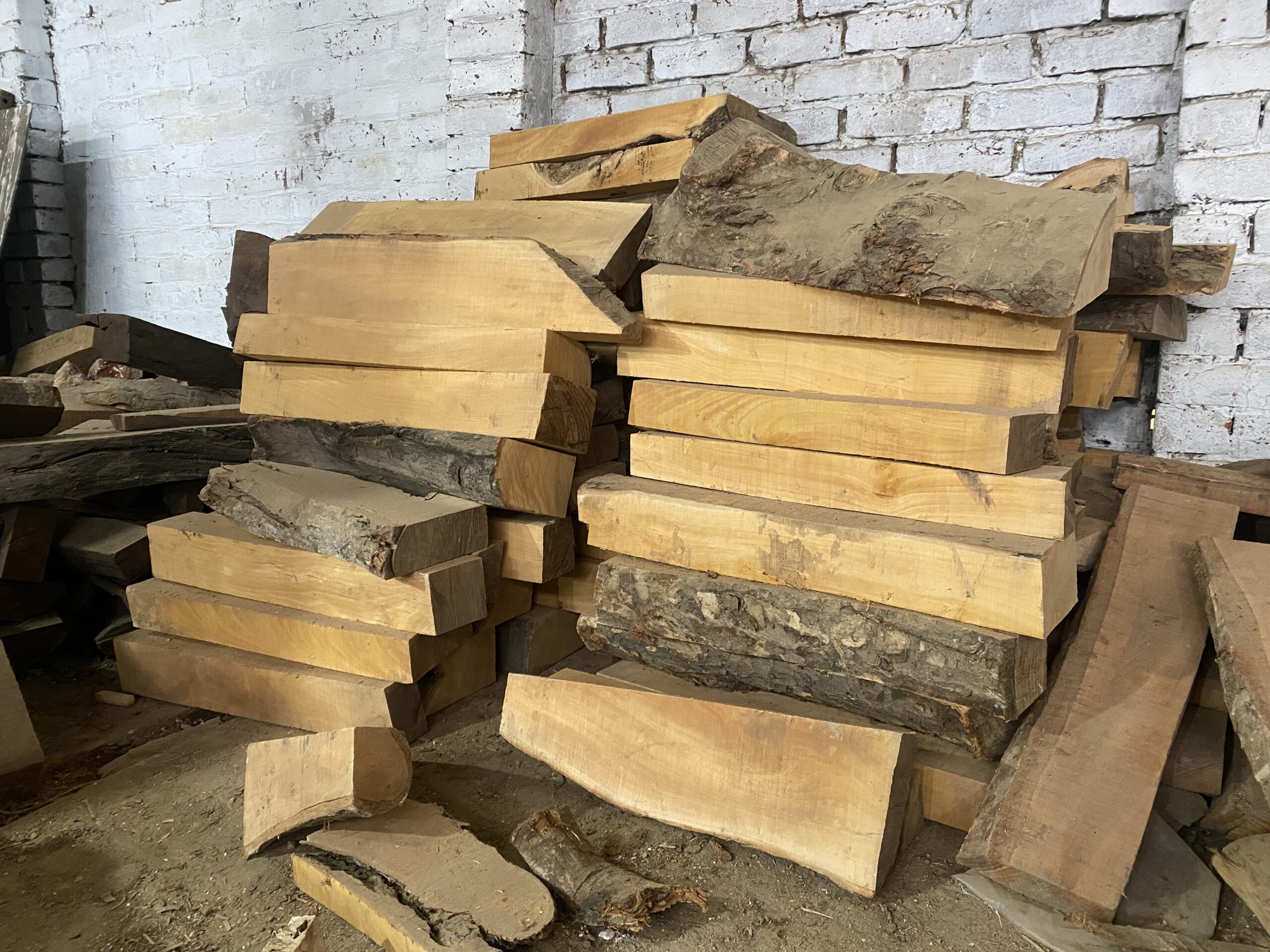
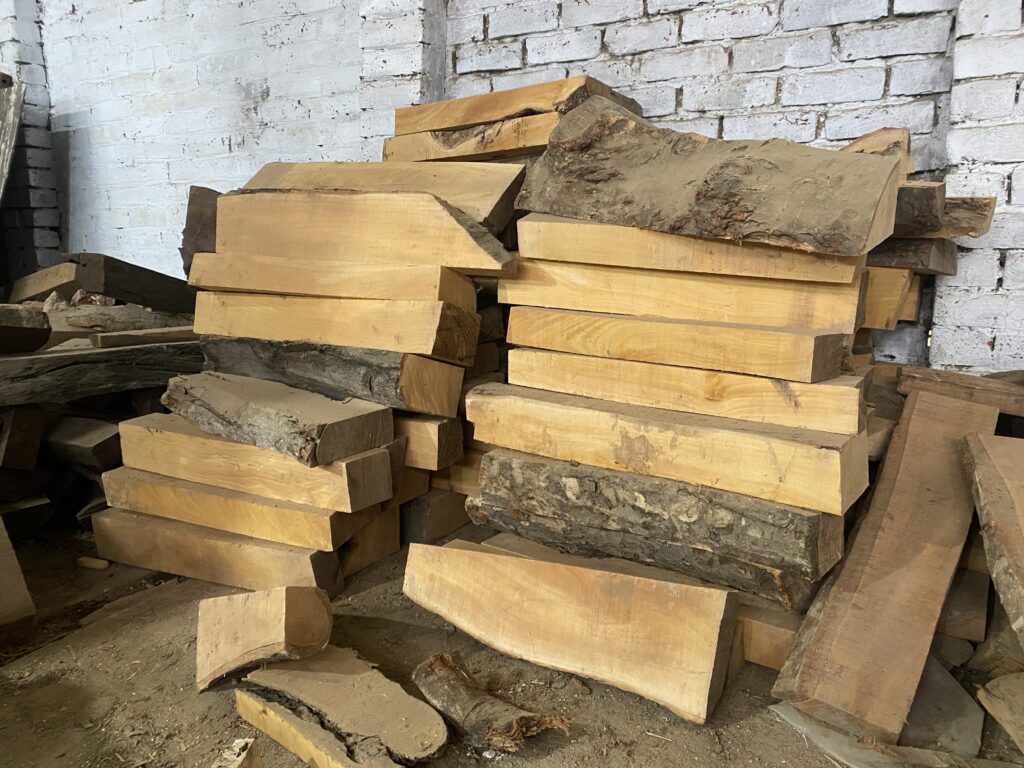
The foundation of any high-quality chess set begins with the selection of wood. Wood not only gives a chess set its aesthetic appeal but also its durability and weight. Choosing the right type of wood is crucial because it affects the texture, finish, and overall feel of the chess pieces. Here are some common types of wood used in chess making:

  • Ebony: Ebony is a dense, dark wood, often used for the dark pieces in luxury sets. Its rich, almost black color gives it a regal appearance, and its smooth texture makes it a favorite among woodworkers.
  • Boxwood: A lighter wood that is easy to carve, boxwood is often used for the lighter pieces in traditional sets. It’s prized for its fine grain, which allows for detailed carving.
  • Rosewood: Known for its deep reddish-brown hues, rosewood is often used for the darker pieces. It’s heavier than boxwood and has a distinctive grain, making it a popular choice for high-end chess sets.
  • Maple and Birch: These woods are commonly used for the lighter pieces. Their pale color and fine grain lend themselves to carving and finishing, while their affordability makes them a popular choice for more budget-friendly sets.

Some makers use combination wood sets, where the light and dark pieces are made from different types of wood (like boxwood and rosewood) to create contrast and visual appeal.

Step 2: Designing the Chess Set

Before any carving begins, the design phase is crucial. Crafting a chess set is about more than just making pieces—it’s about creating a balance between form and function. A wooden chess set can be either traditional or modern in style, and the designer must carefully choose the shapes, sizes, and proportions of the pieces to ensure both aesthetic beauty and comfortable play.

  • Traditional Designs: Many wooden chess sets adhere to traditional designs, such as the Staunton design, which was created in the mid-19th century by Nathaniel Cook and has since become the standard for tournament play. The Staunton design features iconic, easily distinguishable pieces, with the king and queen standing out due to their distinct crowns, the bishop’s mitre, and the knight’s horse-head shape.
  • Custom Designs: For those who want something truly unique, custom designs are a popular choice. Chess artisans may create intricate, themed sets—such as medieval, fantasy, or historical designs—that add a personal touch to the game. Custom sets require even more design work to ensure that each piece is distinct and easily recognizable.

Step 3: Shaping the Pieces

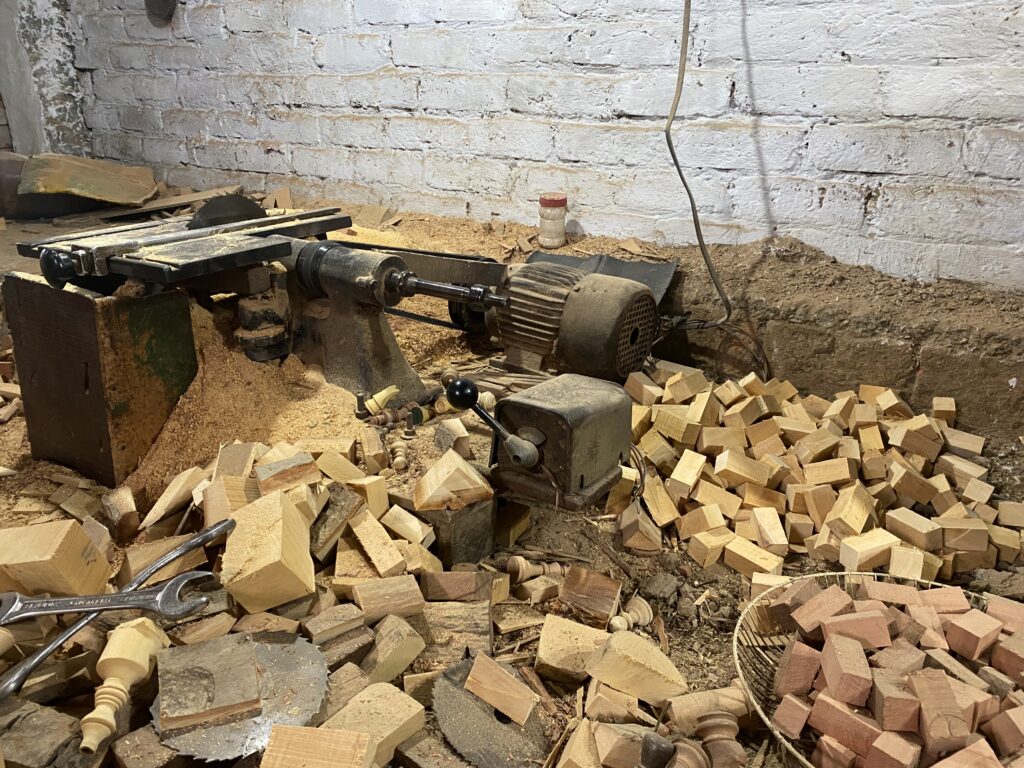
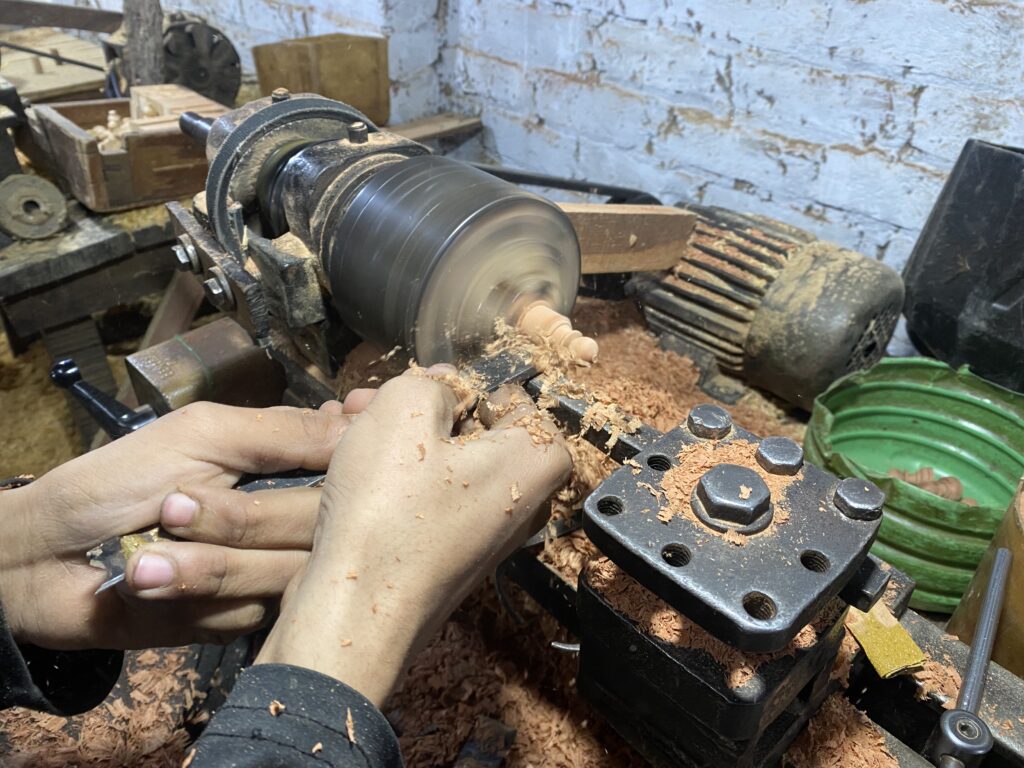
Once the design is decided upon, the process of shaping the chess pieces begins. This is where the true craftsmanship comes into play. The maker will start with a block of wood and use tools like carving knives, lathes, and saws to give each piece its basic shape.

  • Turning on a Lathe: A lathe is often used to shape round pieces, like the pawns, bishops, rooks, and kings. This tool allows for precision and symmetry as the piece is rotated against a sharp blade. The piece is gradually whittled down into its rounded form, and the finer details are added by hand.
  • Carving by Hand: While some pieces, like pawns and rooks, may be shaped on a lathe, more intricate pieces, like the knight (horse), require hand carving. The knight, in particular, is one of the most challenging pieces to carve. It requires attention to detail, especially when carving the horse’s head and mane, which must convey expression and movement.

Step 4: Detailing and Refining

Once the basic shapes are complete, the chess pieces undergo detailing. This is where the true artistry of wooden chess-making comes alive. The woodworker carves in the finer features of each piece, making them more recognizable and distinctive.

  • Adding Detail to the Knight: The knight is arguably the most intricate piece in any chess set. A skilled artisan will carve out the horse’s head, neck, and mane with great care, ensuring that the proportions and expressions reflect the piece’s dynamic role on the chessboard.
  • Bishops and Kings: The bishop’s mitre (the slanted top) and the king’s crown must be carved with precision. The subtle curves and angles that define the upper portion of these pieces often require the craftsman to work carefully with sharp tools to get the correct shape.
  • Finishing the Pieces: After the detailed carving, the pieces are sanded to smooth out rough edges. The sanding process is crucial, as it ensures that each piece feels comfortable in the player’s hand and doesn’t have any sharp edges that could detract from the game experience.

Step 5: Staining and Polishing

Once the pieces have been shaped and carved, it’s time to enhance their appearance. This involves staining and polishing the wood to bring out its natural beauty and depth of color.

  • Staining: Depending on the wood being used, the pieces may be stained to deepen the color or to create a more uniform look. Ebony, for example, is often left natural, while lighter woods like boxwood may be stained to enhance their color contrast with darker woods.
  • Polishing: The final touch is polishing the pieces to a smooth, glossy finish. This is done using a series of polishing compounds that give the pieces a lustrous shine. The polish also serves to protect the wood, making it resistant to wear and tear. Some artisans use beeswax or carnauba wax for a more natural, durable finish.

Step 6: Making the Chessboard

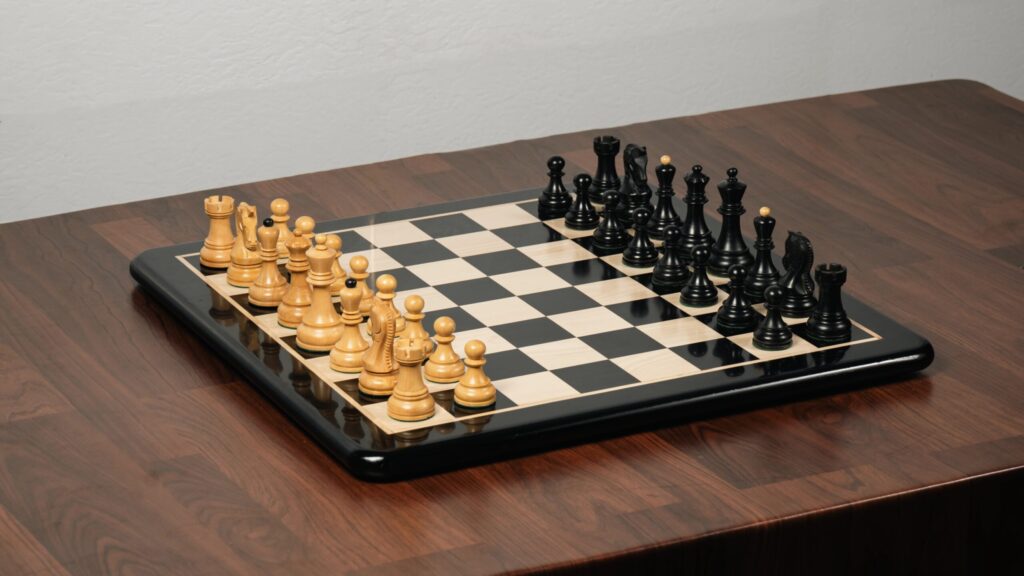
While the focus is often on the pieces, the chessboard is just as important in a wooden chess set. The board is typically made from the same wood as the pieces and is crafted with a similar attention to detail. Most chessboards feature a grid of alternating squares, which are carefully measured to ensure perfect symmetry. In high-quality sets, the chessboard may be inlaid with different types of wood to create an elegant, refined look.

Some chess boards are foldable or come with storage compartments for the pieces, making them practical as well as beautiful.

Step 7: Final Touches and Presentation

The final step in the process is the presentation. A beautifully crafted wooden chess set is often presented in a custom-made box or a high-quality case, adding a sense of grandeur and making it suitable for display. The pieces are carefully wrapped to prevent damage, and the board is polished to ensure a smooth playing surface.

Why Wooden Chess Sets Matter

Wooden chess sets aren’t just about play; they’re about preserving a tradition. Each piece is an extension of the maker’s craft, representing the intersection of art and strategy. A wooden chess set has a tactile feel that makes the game more immersive, and it can last for generations. The warmth of the wood, the weight of the pieces, and the elegance of the design all contribute to an experience that plastic or mass-produced sets simply can’t replicate.

Making a wooden chess set is a labor of love. It requires immense skill, patience, and attention to detail. But for those who appreciate the artistry behind it, a handcrafted wooden chess set is more than just a game—it’s a masterpiece, a work of tradition, and a timeless piece of chess history.

For Buy Premium and Quality Chess Click Here – https://bosshandicrafts.com/shop/
Posted on Leave a comment

Dubrovinik Chess: A Glimpse into the Heart of Chess in Dubrovnik

Located along the stunning Adriatic coast, Dubrovnik, Croatia, is not just a UNESCO World Heritage site known for its ancient city walls and rich history. It has also emerged as a central hub for chess enthusiasts, where tradition meets modernity on the chessboard. The “Dubrovnik Chess Festival” or Dubrovnik Chess Tournament is one of the most prestigious chess events in the world, drawing top-tier grandmasters, passionate amateurs, and tourists alike.

Dubrovnik, with its picturesque landscapes, world-class chess culture, and historical significance, offers a unique blend of competitive chess alongside breathtaking scenic beauty, making it a place where chess fans from around the world come to celebrate the game.

The Legacy of Chess in Dubrovnik

Dubrovnik’s deep connection to chess goes beyond modern tournaments. The city has had a long-standing relationship with intellectual pursuits, with chess representing a central part of this legacy.

Dubrovnik, known as the “Pearl of the Adriatic,” has always been a meeting place for creative minds. Its historical significance and sophisticated atmosphere make it the perfect backdrop for chess tournaments.

The Dubrovnik Chess Club, founded in 1951, is the cornerstone of the city’s chess culture. It has contributed immensely to the development of chess in Croatia, producing several strong players who have left their mark on the international chess scene. Over the years, Dubrovnik has become an essential chess destination, providing a setting for top-level tournaments that attract grandmasters and chess enthusiasts from around the world.

The Dubrovnik Chess Tournament: A Tradition of Excellence

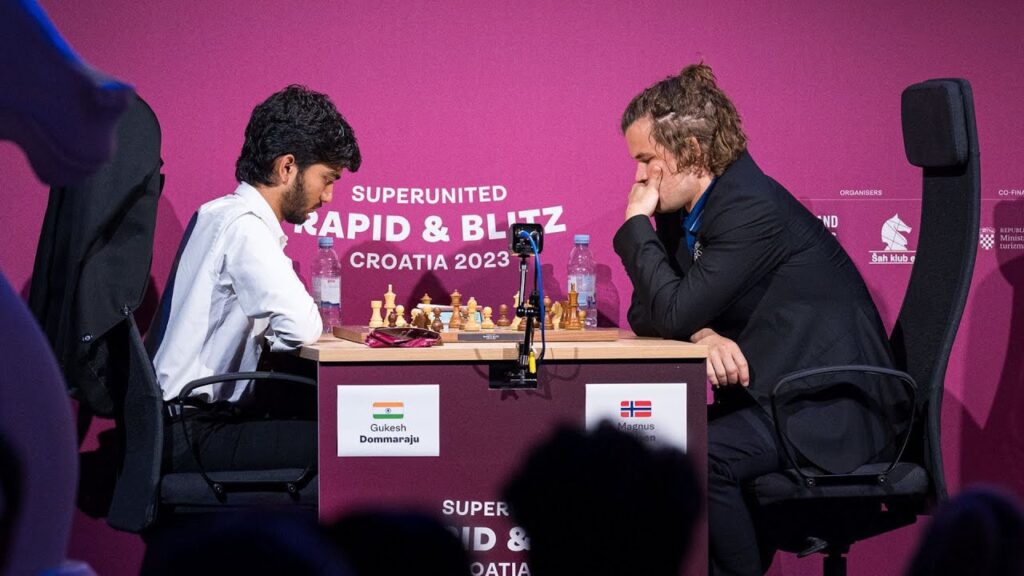
The Dubrovnik Chess Tournament is widely regarded as one of the most prestigious chess events in the region. Held annually, this tournament features players from all over the globe, including top-tier grandmasters, seasoned professionals, and talented young players. What sets this tournament apart is its combination of competitive chess and the idyllic environment of Dubrovnik, which offers a unique experience for both players and spectators.

The event usually attracts notable names from the world of chess, from rising stars to seasoned veterans. Past participants have included Veselin Topalov, Anatoly Karpov, and Boris Spassky, with many others showcasing their skills against top opponents.

The tournament format often includes multiple rounds of intense competition, with a variety of time controls ranging from classical to rapid and blitz. The chess festival’s ability to bring together such diverse formats reflects the versatility of the event, offering something for every kind of player, whether they prefer deep, classical play or faster-paced, high-stakes blitz games.

Dubrovnik Chess and Its Unique Appeal

So, what makes the Dubrovnik Chess Tournament so special?

  1. Scenic Location: Dubrovnik’s allure is undeniable. Nestled along the Dalmatian coast, the city offers incredible views of the Adriatic Sea. It’s easy to understand why many top grandmasters and chess enthusiasts are drawn to play in such a serene and beautiful setting. The vibrant Old Town, characterized by its cobblestone streets and stunning medieval architecture, provides an ideal environment for reflection and relaxation, all while being steeped in history.
  2. The Perfect Setting for Focus: Chess is a game of focus, strategy, and patience, and there is no better place to immerse oneself in these attributes than in the tranquil atmosphere of Dubrovnik. The city provides the perfect balance between competition and relaxation, allowing players to recharge between matches by walking through the city’s ancient streets or unwinding with stunning sea views. It’s an environment that encourages players to perform at their best while offering a unique sense of calm.
  3. The Chess Community: What makes the Dubrovnik Chess Tournament even more attractive is the sense of community it fosters. For players, chess isn’t just a game—it’s a passion, a challenge, and a way to connect with others. The festival allows chess enthusiasts of all levels to come together, whether they are players, fans, or organizers. The interactions between amateurs and top professionals create a dynamic and vibrant atmosphere.
  4. Strategic and Artistic Intersection: Chess itself has often been compared to an art form—where the chessboard becomes a canvas, and the pieces become instruments of strategy. Dubrovnik’s rich history, from its role as a hub of diplomacy and trade in the past to its stunning Renaissance architecture, is the perfect backdrop for such a mental sport. The blend of intellectual prowess, strategic decision-making, and the art of chess makes the Dubrovnik Chess Tournament a celebration of both the game and the environment in which it is played.

Tournament Features and Formats

The Dubrovnik Chess Festival is structured to appeal to various players with diverse skill sets and preferences. Some of the key features of the tournament include:

  1. The Classical Chess Tournament: This is the flagship event of the Dubrovnik Chess Tournament, attracting the best players in the world. The classical format focuses on deep, calculated thinking, allowing players to test their skills over several hours, with each player having ample time to think through their moves.
  2. Rapid Chess and Blitz Events: The tournament also includes rapid and blitz formats, which bring a faster-paced element to the competition. These formats test the players’ speed and ability to make quick decisions, and they’re popular among both the players and the spectators.
  3. Simultaneous Exhibitions and Side Events: For chess fans looking to interact with top players, the tournament often features simultaneous exhibitions where grandmasters play against multiple opponents at once. These events provide fans with the opportunity to see their favorite players in action, while also offering budding chess enthusiasts the chance to challenge their heroes.
  4. Youth and Amateur Events: Another important feature of the Dubrovnik Chess Tournament is its inclusivity. The tournament is open to players of all ages, with separate events designed for youth players and amateurs. These competitions provide an opportunity for the younger generation and less-experienced players to compete in an environment that promotes growth and improvement.

The Dubrovnik Chess Legacy: Inspiring the Future

Dubrovnik has established itself as more than just a city of history and beauty—it has become a city of chess tradition and innovation. As the city continues to host the Dubrovnik Chess Tournament year after year, it fosters a thriving chess culture that extends beyond the event itself. Through the tournament’s international appeal, Dubrovnik is cementing its place as a chess capital that continues to inspire future generations of chess players from across the world.

In addition to fostering competitive spirit, the festival plays a key role in growing chess as a global sport. It encourages the younger generation to take up the game, fostering a new crop of chess enthusiasts who may one day play on the very same boards in Dubrovnik.

Conclusion: Dubrovnik as a Chess Destination

Whether you are a competitive player or simply a chess enthusiast, the Dubrovnik Chess Tournament is an event that should be on your radar. Offering world-class competition, scenic beauty, and a sense of community, the event is a reflection of the timeless nature of chess.

For players, it provides a chance to compete at the highest level in a beautiful, historic city. For spectators, it offers a rare glimpse into the world of elite chess while also providing a chance to explore the enchanting streets of Dubrovnik. With its ongoing success and growing reputation, the Dubrovnik Chess Tournament continues to set the standard for chess events, blending tradition, strategy, and artistry in one unforgettable package.

If you ever find yourself in Dubrovnik during the chess festival, take the time to experience it firsthand. There’s no better place to be than on the chessboard in a city that breathes history and intellect at every corner.

For Buy Premium and Quality Chess Click Here – https://bosshandicrafts.com/?s=dubro&e_search_props=dcbc3cd-1118

Posted on Leave a comment

Gukesh D’s Groundbreaking Triumph: India’s New World Chess Champion

The world of chess has just witnessed a seismic shift with Gukesh D emerging as the World Chess Champion, making him one of the youngest and most talented players to ever claim the prestigious title. Gukesh’s triumph is not just a personal milestone but a moment that will be remembered for years to come. At the age of just 18, this young prodigy from India has captured the hearts of chess enthusiasts worldwide, carving out a legacy of his own.

His victory against one of the greatest players of the modern era, Magnus Carlsen, in the World Chess Championship has changed the trajectory of the game itself. Let’s dive into the incredible journey that led to this historic achievement.

The Rising Star: Gukesh’s Journey to Glory

Born in Chennai, India, in 2006, Gukesh D showed a natural aptitude for chess at a young age. By the time he was 10, his skills were already outshining those of many seasoned players, and it was clear he was destined for greatness. At the age of 12, he became the youngest Indian International Master and, just a few years later, at 15, he earned the title of Grandmaster.

What set Gukesh apart from his peers was not just his ability to memorize openings or execute well-known strategies. His playstyle was aggressive yet nuanced, blending deep preparation with creative, out-of-the-box thinking. As he ascended through the ranks, he began to take down top grandmasters, leaving the chess world in awe of his abilities. But winning the World Chess Championship, a title long dominated by a few select players, was always going to be a massive challenge.

The Epic Showdown: Gukesh vs. Carlsen

The World Chess Championship is the ultimate stage for any chess player. It’s where legends are made and dreams come true. For Gukesh, the road to the championship was long and arduous. Facing off against the reigning World Champion Magnus Carlsen, a player who had redefined chess for over a decade, seemed like an impossible task. Carlsen, with his strategic depth and unparalleled endgame prowess, was a formidable opponent for the young challenger.

However, Gukesh’s mindset was different. He was calm, focused, and determined not to be overwhelmed by the occasion. From the very first game of the match, it was clear that Gukesh wasn’t just a challenger—he was a contender. His preparation was impeccable, his moves were precise, and his ability to handle pressure was extraordinary.

In a series of dramatic games, Gukesh outplayed Carlsen, not by brute force but by his ability to navigate complex positions with subtlety. He wasn’t afraid to take risks, and his sacrifices were often calculated, forcing Carlsen into uncomfortable positions where he could no longer rely on his usual endgame supremacy.

By the time the final game concluded, Gukesh D had sealed his place in history. The chess world was in shock—India’s youngest World Chess Champion had arrived. He had beaten a giant, and the world would never look at chess the same way again.

A New Era for Chess

Gukesh’s victory is not just a personal achievement; it represents a larger shift in the world of chess. The global chess scene has traditionally been dominated by players from Europe and Russia, with legends like Bobby Fischer, Anatoly Karpov, Garry Kasparov, and Magnus Carlsen shaping the game’s history. However, Gukesh’s triumph is a testament to the globalization of chess, where players from all corners of the world, especially from India, are now emerging as top contenders.

For India, Gukesh’s win is especially significant. The country has long been a chess powerhouse, producing legends like Viswanathan Anand, but Gukesh’s victory marks a new era. With a growing number of young chess prodigies emerging from the nation, it is clear that the future of chess is in capable hands.

Gukesh’s Impact: More Than Just a Victory

Gukesh’s win in the World Chess Championship isn’t just a win for him—it’s a victory for the entire chess community and a source of inspiration for aspiring chess players worldwide. His unshakable mental resilience, innovative strategies, and fearless approach to top-level chess have set a new standard for what it means to be a World Champion.

What’s most impressive about Gukesh is his ability to handle the spotlight with grace and humility. In interviews and post-match analysis, he remained grounded and focused on his love for the game, emphasizing that his goal was always to improve, learn, and challenge himself.

Moreover, Gukesh’s rise signals that chess is no longer just about playing for personal glory but also about pushing the boundaries of what can be achieved through the game. He has demonstrated that chess is not just a game of calculation but also a game of imagination, creativity, and daring innovation.

The Tactical Genius of Gukesh

To truly understand Gukesh’s brilliance, one must look at his playstyle. He is not just a player who wins games through well-known lines or memorized tactics. Instead, his genius lies in his ability to create positions that throw his opponents off-balance. Gukesh plays with a deep understanding of dynamics, constantly shifting the balance of power on the board in subtle, unexpected ways.

In his World Chess Championship match, Gukesh deployed some daring openings and unorthodox strategies that kept Carlsen on his toes. The young champion’s readiness to sacrifice material for dynamic play was evident in several crucial moments. His deep knowledge of both classical chess principles and modern innovations gave him the upper hand, making him a multifaceted and unpredictable opponent.

What’s Next for Gukesh?

As the newly crowned World Chess Champion, Gukesh’s future is incredibly bright. With his innovative mindset and unrelenting desire to evolve, Gukesh will continue to push the boundaries of chess. Fans and analysts are already speculating about his potential future achievements, including the possibility of dominating in various formats, from rapid to blitz, and potentially surpassing Carlsen in future world championships.

But for now, Gukesh has earned his moment of glory. His victory at the World Chess Championship will inspire millions of young chess players worldwide, especially in India, where his success has been a beacon for future generations of players.

Conclusion: The Future of Chess is Here

The world of chess has entered a new chapter, and Gukesh D has firmly established himself as one of its most brilliant minds. His remarkable victory at the World Chess Championship is not just the culmination of years of hard work; it’s a reflection of the evolution of chess itself—an evolving game, constantly challenging those who dare to play it at the highest level.

With Gukesh now holding the title, the world watches in anticipation for what’s next. As he continues his journey, it’s clear that we are witnessing the rise of a true chess legend. Gukesh’s victory is not just a win for him; it’s a win for the future of chess.

Reference – Images from google.

For Buy Premium and Quality Chess Click Here – https://bosshandicrafts.com/shop/